 Ferndale Exterior
 Exterior Work Built for Custer's Coastal Climate
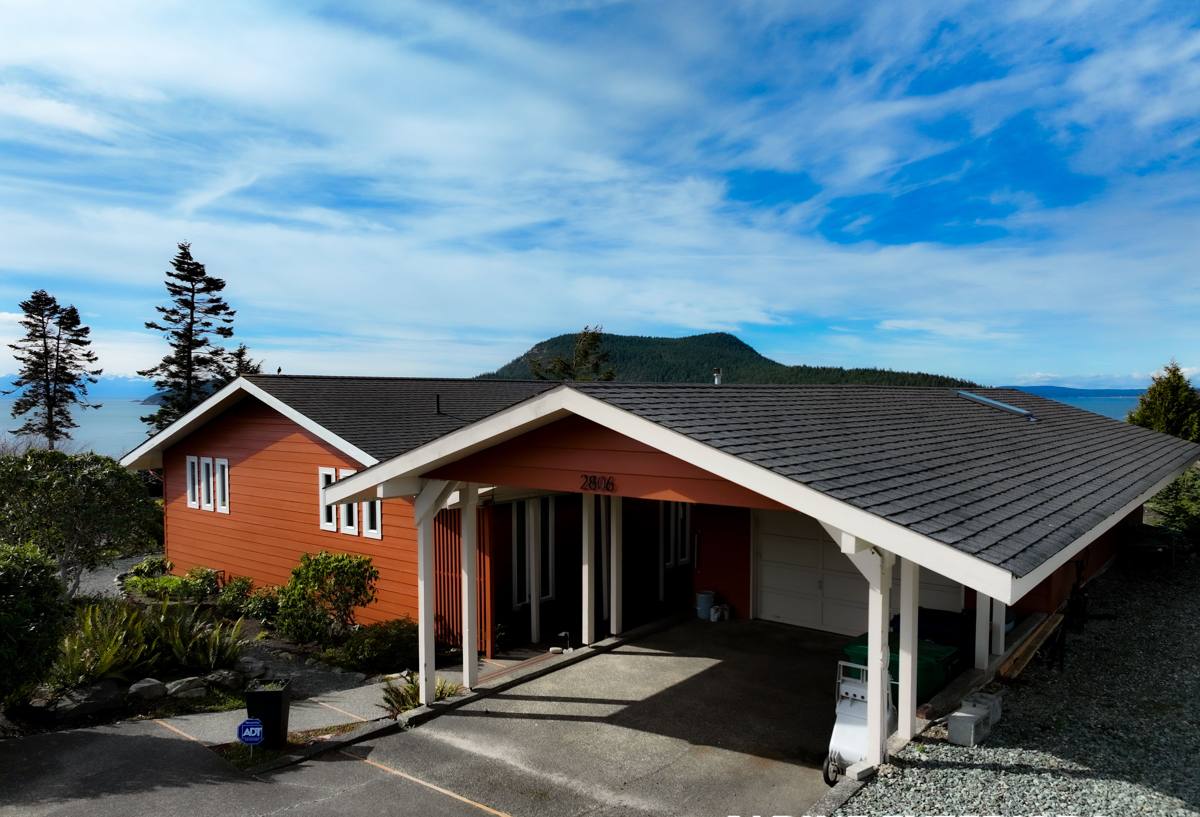
Custer sits in the northern stretch of Whatcom County, close enough to Birch Bay and the Strait of Georgia that salt-laden air is a regular part of the weather, not an occasional event. Combine that with the long, wet Pacific Northwest fall-through-spring stretch and you get a climate that is genuinely harder on a home's exterior than most homeowners realize until something starts to fail. Siding, roofing, windows, and decks in this area don't just get rained on — they get rained on for months at a time, coated in a fine mist of salt, and then left to sit under shade and moisture long enough for moss and algae to take hold.
We work throughout Ferndale and the surrounding Whatcom County communities, including Custer, and we see the same failure patterns over and over: siding that trapped moisture behind it, roofs with moss working into the shingle mat, windows fogging between the panes, and decking that stayed damp long after a storm passed. None of that is inevitable. It's a function of material choice and installation quality, and it's exactly what we focus on.
Why Salt Air and Long Wet Seasons Change the Math
A lot of exterior products are engineered and rated for a generic climate — moderate rain, moderate humidity, no persistent salt exposure. Custer doesn't offer that generic climate. Homes here deal with three compounding factors:
- Salt air accelerates corrosion of metal fasteners, flashing, and hardware, and it can degrade certain paints and coatings faster than inland exposure would.
- Driving rain off the water pushes moisture sideways into seams, laps, and trim joints that a straight-down rain would never reach.
- Extended moss and algae season means anything that stays shaded and damp — north-facing walls, roof valleys, lower deck boards — has months to grow organic buildup that holds moisture against the surface.
Any one of these is manageable on its own. Together, over years, they punish materials and installation shortcuts that would hold up fine somewhere drier or further inland.
Siding: Why We Only Install James Hardie
Siding is the single largest surface on a house, and it's the first line of defense against everything above. We install James Hardie fiber cement siding exclusively — we do not install vinyl, LP SmartSide, or cedar. That's not a marketing position, it's a standard we hold because of what we've seen these materials do in exactly this kind of climate.
Vinyl siding is inexpensive and easy to install, which is why it's everywhere, but it's a plastic product that expands and contracts with temperature and can become brittle over the years — and it doesn't hold paint if a homeowner ever wants to change the color. Engineered wood products like LP SmartSide perform reasonably well when installed and maintained correctly, but they're wood-based, which means the seams, cut edges, and fastener points need consistent caulking and paint upkeep to keep moisture from working in — a maintenance burden that's harder to stay on top of in a climate with this much sustained wet weather. Cedar siding is a beautiful, traditional material, but it's the most maintenance-intensive option of all: it needs regular refinishing, and in a moss-prone, salt-air environment it's fighting an uphill battle against organic growth and moisture absorption from day one.
James Hardie fiber cement is non-combustible, dimensionally stable, and factory-finished with ColorPlus technology, so the color is baked on rather than field-painted — which matters when driving rain and salt air are working against a finish year-round. It's engineered in HZ product lines specifically for climate zones like ours, and it carries a strong transferable warranty when installed to Hardie's spec. That's the product we put on homes, and it's the product we stand behind.
Siding Material Comparison for Coastal Whatcom County Exposure
| Material | Moisture Behavior | Maintenance | Typical Lifespan |
|---|---|---|---|
| James Hardie Fiber Cement | Dimensionally stable, factory-sealed finish | Low — occasional wash | 30+ years with proper install |
| Vinyl | Doesn't absorb moisture, but seams and panels can warp or crack over time | Low, but limited repair options | 20-30 years, variable |
| LP SmartSide / Engineered Wood | Wood-based; needs sealed seams and cut edges | Moderate — repaint/recaulk on a cycle | 20-30 years with upkeep |
| Cedar | Absorbs moisture; prone to moss and rot without upkeep | High — refinishing every few years | Highly variable, upkeep-dependent |
Roofing: Where Moss Season Does the Most Damage
Roofs in Custer face a specific enemy: moss. Shaded roof planes, north-facing valleys, and anything under overhanging trees stay damp long enough for moss and algae to establish. Once moss takes hold, it lifts shingle edges, holds water against the roofing material, and accelerates wear well beyond the roof's rated life. It also travels — moss spores spread easily, so an untreated roof section can seed problems elsewhere on the same roof.
Good roofing work here isn't just about the shingle or metal product itself; it's about the details that keep water and moss from getting a foothold in the first place — proper flashing at every penetration and valley, ventilation that keeps the roof deck dry from underneath, and drip edges that actually move water away from fascia and siding instead of behind it. We also pay close attention to how a new roof ties into existing siding and trim, since a leak at that transition is one of the most common ways water gets into a wall assembly.
Windows: Condensation, Drafts, and Salt-Air Wear
Older single-pane or early double-pane windows struggle in this climate in two specific ways. First, condensation and fogging between panes is a sign the seal has failed — once that happens, the insulating gas is gone and the window is just two pieces of glass doing very little. Second, hardware and frame materials exposed to salt air over years can corrode or stick, making windows harder to operate and less able to seal tightly against driving rain.
New, correctly flashed windows do two jobs at once: they cut down on drafts and heating costs through a long, damp Whatcom County winter, and they close off one of the more common paths water uses to get behind siding and into wall framing. Window replacement is also a natural point to correct flashing details that may have been done poorly the first time — something worth checking regardless of the window brand chosen.
Decks: Salt Air, Shade, and Standing Moisture
Decks in Custer take a beating from the same combination of factors as siding and roofing, but decks also deal with standing water on horizontal surfaces, which siding and most roofing don't. Boards that stay wet under shade or debris develop moss and algae faster than exposed, sun-drenched sections, and fasteners exposed to salt air corrode faster than they would further inland. Proper spacing between boards, drainage underneath, and corrosion-resistant fasteners all matter more here than they would in a drier climate.
Why a Local Crew Matters
A crew that works Whatcom County regularly knows which wall orientations take the worst of the driving rain, which rooflines hold moss longest, and how far salt air exposure actually reaches inland from the water — that's the kind of judgment that only comes from doing this work here, repeatedly, not from a general contracting background somewhere else. It also means someone is close by if a warranty question or a minor issue comes up after the job is done, rather than a crew that did one job in the area and moved on.
What to Check Before Hiring an Exterior Contractor Here
- Do they carry Washington state contractor licensing and insurance, and can they show it without hesitation?
- Do they explain flashing and moisture-management details, not just the finish material?
- Do they have experience with James Hardie fiber cement specifically, including proper fastening and clearances?
- Do they inspect for existing moss, rot, or moisture damage before quoting, rather than just measuring the surface?
- Do they offer a written scope and warranty terms in plain language?
Let's Take a Look at Your Home
Every property in and around Custer sits a little differently relative to the water, tree cover, and prevailing wind, so the right approach for one house isn't automatically right for the one next door. If you're dealing with aging siding, a mossy roof, foggy windows, or a deck that never quite dries out, we're happy to come take a look, walk through what we're seeing, and put together a straightforward, no-pressure estimate.