 Ferndale Exterior
 Building on the Water Near Ferndale
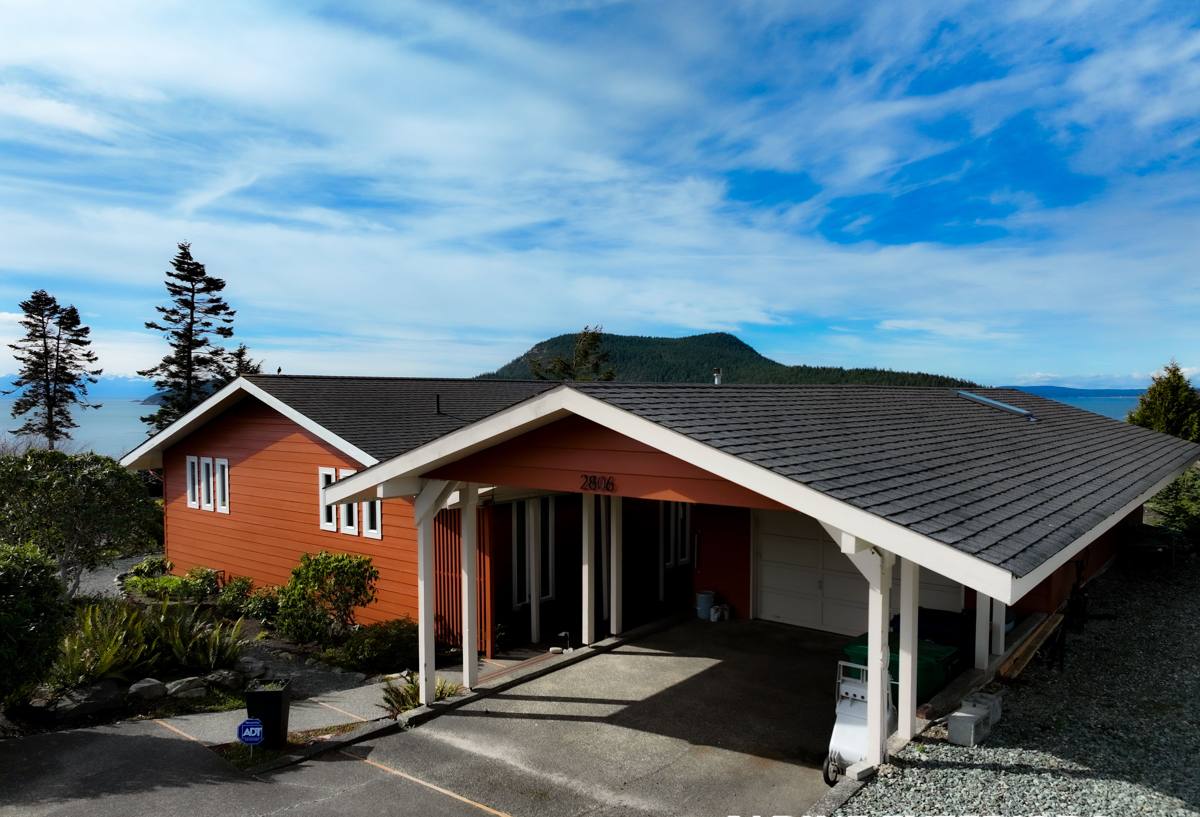
Homes in and around Lummi Nation sit closer to open salt water than almost anywhere else in Whatcom County. The Lummi Peninsula is bordered by Bellingham Bay, Hale Passage, and Lummi Bay, which means wind-driven salt spray, near-constant humidity, and long stretches of gray, wet weather are simply part of daily life here. That combination is harder on a home's exterior than the drier, more sheltered conditions found a few miles inland in Ferndale proper.
We've worked on homes throughout this stretch of Whatcom County long enough to know that "coastal Pacific Northwest" isn't one climate — it's several, and waterfront and near-waterfront properties around Lummi Nation get the toughest version of it. Salt-laden air corrodes fasteners and finishes faster, driving rain off the water finds every gap in flashing and trim, and shaded, moisture-heavy yards grow moss on roofs and siding faster than sunnier lots. Exterior materials and installation methods that hold up fine in a dry inland subdivision can fail early out here.
What Salt Air and Moisture Actually Do to a House
It's worth being specific about the mechanisms, because they drive every material decision we make on a project in this area:
- Salt spray accelerates corrosion on exposed metal — nails, screws, flashing, hinges, and hardware — especially on the side of a house facing the water or prevailing wind.
- Persistent moisture keeps wood-based products (cedar, primed spruce, OEM wood trim) wet longer between rain events, which is what feeds rot and fungal growth over time.
- Moss and algae thrive in the shaded, damp microclimates common under tree cover near the peninsula, holding moisture against roofing and siding surfaces for weeks at a stretch.
- Temperature swings between damp mornings and drier afternoons cause materials to expand and contract, which stresses caulked joints, seams, and any siding product prone to warping.
None of this means a home near Lummi Nation is doomed to constant repairs. It means the materials and the installation details matter more here than they do in a milder location, and it's why we lean on products and practices built specifically for this kind of exposure.
Siding: Why We Standardized on James Hardie
We install James Hardie fiber cement siding exclusively. We don't offer vinyl, LP SmartSide, Cemplank, Allura, primed spruce, or cedar as alternatives, and that's a deliberate standard, not a lack of options. Here's the honest reasoning, material by material:
Vinyl
Vinyl is inexpensive and low-maintenance in mild climates, but it softens and can warp in direct heat, becomes brittle and more prone to cracking in cold snaps, and its seams and panels can loosen or rattle under sustained coastal wind. It also can't be painted to refresh a faded color without specialized paint, which limits how a home can evolve over decades of ownership.
LP SmartSide, Cemplank, and Allura
LP SmartSide is an engineered wood product — it performs well when detailing and maintenance are kept up, but any wood-based siding is more sensitive to sustained moisture exposure than fiber cement, and that's the exact condition a waterfront or near-waterfront lot near Lummi Nation delivers most of the year. Cemplank and Allura are both fiber cement competitors to Hardie with real products behind them, but we've standardized crews, fastening schedules, and warranty processing on one system so every install meets the same bar — splitting that across multiple manufacturers dilutes both.
Primed Spruce and Cedar
Cedar is a beautiful, genuinely traditional Pacific Northwest material, and we understand its appeal. But solid wood siding needs regular refinishing, is the most vulnerable of any option here to moisture-driven rot and insect damage, and in a salt-air, high-moss environment that maintenance burden compounds quickly. Primed spruce carries similar risk with less of cedar's natural rot resistance.
Why Hardie
James Hardie fiber cement is non-combustible, doesn't rot, and resists moss and pest damage far better than wood-based products. Its ColorPlus factory finish is baked on under controlled conditions rather than field-applied, which gives it better fade and chip resistance than site-painted siding — a real advantage where salt air and UV both work against a painted surface. Hardie also engineers specific product lines (its HZ5 and HZ10 climate zones) for regional moisture and temperature profiles, and backs installations with a strong transferable warranty when installed to its specifications. For a home taking the kind of exposure common around Lummi Nation, that combination is what actually holds up.
Siding Material Comparison
| Material | Moisture Resistance | Maintenance | Coastal Durability |
|---|---|---|---|
| James Hardie fiber cement | Excellent | Low — occasional wash | Engineered for climate zone; non-combustible |
| Vinyl | Fair | Low | Can warp, crack, or loosen in wind/temp swings |
| LP SmartSide (engineered wood) | Good if maintained | Moderate | Sensitive to sustained moisture exposure |
| Cedar / primed spruce | Fair to poor | High — periodic refinishing | Most vulnerable to rot, moss, and insects |
Roofing Built for a Wet, Wind-Exposed Peninsula
Roofs near the water take on two problems at once: driving rain that finds any weak point in flashing or underlayment, and moss that establishes itself in shaded valleys and north-facing slopes and doesn't let go without help. We flash penetrations, valleys, and roof-to-wall transitions with the assumption that wind-driven rain will hit them from more than one direction over the life of the roof — a standard detail in exposed coastal work that saves callbacks later. We also talk with homeowners honestly about moss: it's a maintenance reality here, not a one-time fix, and periodic cleaning extends a roof's life more than any single product choice.
Windows: Comfort, Condensation, and Storm Exposure
Older or poorly sealed windows on a home near Lummi Nation tend to show two symptoms: persistent condensation on interior glass from the constant outdoor humidity, and drafts where wind off the water finds gaps in aging frames or failed seals. Replacement windows with modern seals and appropriate glazing cut both problems down significantly, and proper flashing integration with the siding around each opening matters just as much as the window unit itself — a good window installed with poor flashing will leak eventually, no matter how well it was manufactured.
Decks That Hold Up to Salt Spray and Shade
Decks near the water deal with two enemies: salt-air corrosion on fasteners and hardware, and moss or algae buildup on surfaces that don't get much direct sun. We use corrosion-resistant fasteners and hardware rated for coastal exposure, and we talk through decking material trade-offs honestly — composite decking generally resists moisture and moss better than untreated wood in this environment, though either can work well with the right footings, framing, and drainage underneath.
Why a Local Crew Matters Here
A contractor based elsewhere in Whatcom County or further south doesn't necessarily understand how much tougher the exposure is right on the peninsula compared to a few miles inland. We work this specific stretch of coastline regularly, which means we're not guessing at flashing details, fastener specs, or how aggressively moss establishes itself on a shaded, damp lot — we've seen it firsthand on homes nearby. If a property is on tribal trust land or otherwise falls under a specific permitting process, we work with homeowners to navigate whatever requirements apply to their situation rather than assuming a one-size-fits-all approach.
What a Project Typically Involves
Every home is different, but the factors that most often move cost and timeline on exterior projects in this area are consistent:
| Factor | Why It Matters |
|---|---|
| Existing siding/roofing condition | Rot or moisture damage found during tear-off adds repair scope before new material goes on |
| Exposure and wind rating | Homes facing open water or prevailing wind need more robust flashing and fastening details |
| Home size and complexity | Rooflines with multiple valleys or siding with lots of trim and corners take more labor |
| Access and staging | Waterfront lots with limited access can affect scheduling and equipment staging |
| Season | Drier stretches of the year are preferred for tear-off work to limit weather exposure |
Homeowner Maintenance Checklist for This Climate
Between professional service visits, a few habits go a long way toward protecting an exterior in a salt-air, high-moisture environment:
- Rinse siding and hardware periodically to clear salt residue, especially on water-facing walls
- Check roof valleys and shaded slopes for moss buildup at least once a year
- Inspect caulking around windows and trim annually and re-seal where it's cracked or pulled away
- Clear gutters and downspouts regularly so water isn't sitting against fascia or siding
- Look over deck fasteners and hardware for early corrosion, particularly near ground contact
- Trim back vegetation that keeps siding or roofing shaded and damp longer than necessary
If you own a home in or near Lummi Nation and want a straight answer about what your siding, roofing, windows, or deck actually need in this climate, we're glad to take a look. Reach out for a free, no-pressure estimate using the form below.