 Ferndale Exterior
 Exterior Work Built for Lummi Island's Conditions
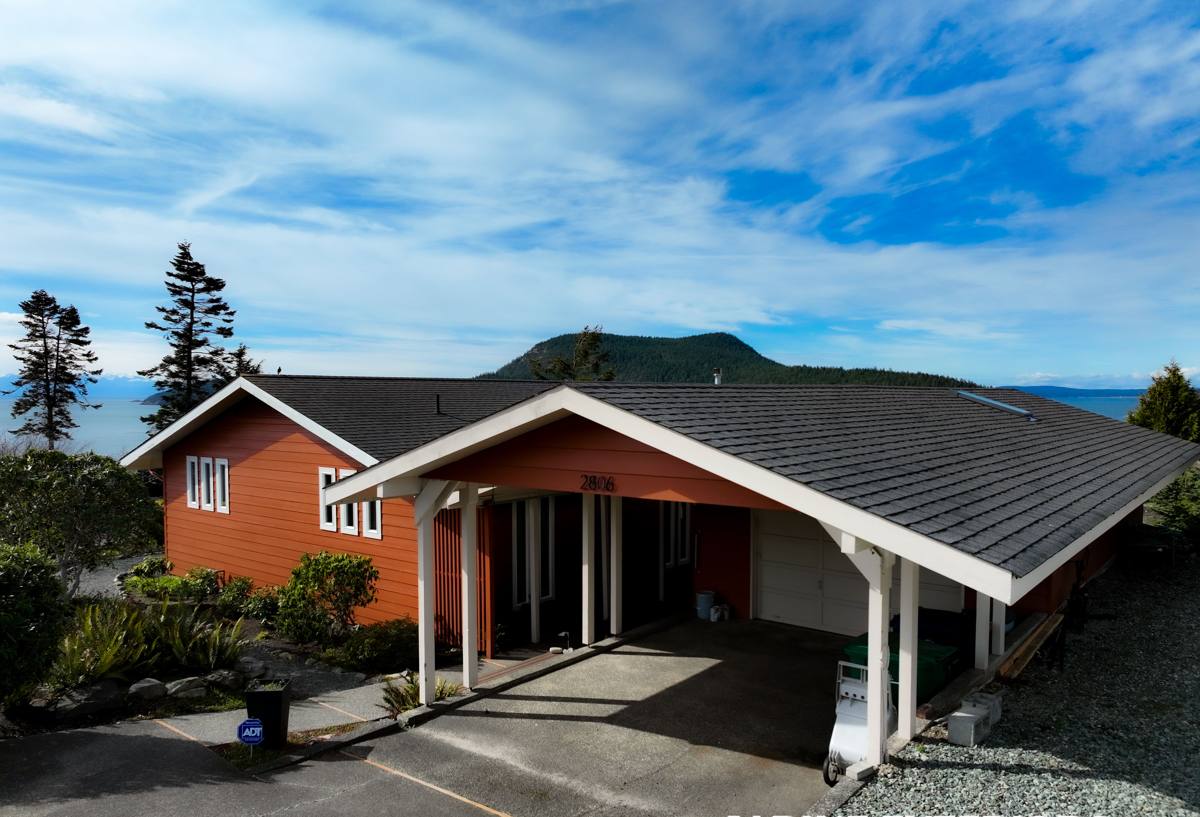
Lummi Island sits apart from the rest of Whatcom County in a way that matters for how a house holds up. It's a ferry-access island, surrounded by saltwater, with a mix of waterfront homes, wooded interior lots, and older cabins that have been added onto over the decades. That combination puts a specific kind of stress on exterior materials: salt-laden air moving off the water, long stretches of driving rain through fall and winter, and a moss season that can run most of the year in the shadier, tree-covered lots. Ferndale Exterior Company works across this part of Whatcom County, and Lummi Island homes get the same attention to material choice and detail work as anywhere else on our route — with some adjustments for what island exposure actually does to a building envelope.
We're not going to pretend every house on the island faces identical conditions. A place perched above the water on the west side takes a different beating than a cabin tucked into second-growth timber near the island's interior. What they share is a climate that punishes shortcuts: cheap flashing, unsealed end cuts, siding that wasn't rated for sustained moisture exposure, and roofs that were never set up to shed water and debris efficiently. Good exterior work on Lummi Island isn't about over-building — it's about matching the material and the installation detail to what the site actually sees.
What Salt Air Does to a Home's Exterior
Proximity to saltwater accelerates corrosion on anything metal — fasteners, flashing, gutter hardware, hinges, and trim. Over years, that corrosion can work its way into places you don't see until there's a stain, a soft spot, or a leak. Salt-carrying wind also deposits a fine residue on siding and window glazing that, left alone, contributes to premature wear on paint films and caulking.
Where this shows up first
- Corroding or streaking fasteners and flashing, especially on the weather-facing side of the house
- Caulk and sealant joints that fail earlier than the manufacturer's rated life
- Paint and finish breakdown on siding that wasn't factory-finished for coastal exposure
- Pitting or rust bleed on lower-grade hardware around doors, windows, and deck railings
None of this is unique to Lummi Island — it's true anywhere along Puget Sound — but island exposure with open water on multiple sides tends to concentrate it. Material selection and fastener quality matter more here than they would on a sheltered inland lot.
Driving Rain and a Long Moss Season
Whatcom County gets a lot of rain, and Lummi Island's exposure means it often arrives sideways rather than straight down. Driving rain finds every gap in flashing, every under-caulked seam, and every place where siding wasn't lapped correctly. It's also what pushes moisture behind siding and trim if the water-resistive barrier and flashing details weren't done right the first time.
The flip side of all that moisture, especially on shaded or tree-covered lots, is moss. Moss holds water against a roof or siding surface far longer than the surface would otherwise stay wet, and that extended dampness is what actually causes damage — rot, coating breakdown, and in older roofing, granule loss and shortened lifespan. A roof or wall system that can shed water quickly and dry out between rain events handles moss pressure far better than one that stays damp.
What this means for roofing on the island
- Roof planes under tree cover need attention to ventilation and drainage detailing, not just moss-resistant materials
- Valleys and low-slope transitions are where debris and moss build up fastest — they need to be inspected, not just glanced at from the ground
- Gutters clogged with needles and moss debris back water up under roofing and fascia — regular clearing matters more here than in open, sunny areas
Why We Install Only James Hardie Fiber Cement Siding
Ferndale Exterior Company installs James Hardie fiber cement siding exclusively. We don't install vinyl, LP SmartSide, Cemplank, Allura, or bare wood siding like primed spruce or cedar. That's a deliberate standard, not a sales preference, and it's especially relevant on an island where salt air and sustained moisture are part of daily conditions.
Vinyl siding is affordable and low-maintenance in mild climates, but it's a thin material that can warp under heat and impact, and its seams and J-channels give wind-driven rain more opportunities to find a way behind the cladding. Wood siding — cedar or primed spruce — looks good on day one, but it needs an ongoing maintenance commitment (repainting, re-caulking, moisture monitoring) that most homeowners underestimate, and in a moss-prone, high-moisture environment that maintenance burden only grows. Engineered wood products like LP SmartSide use resin-treated wood strand technology that performs well when installation details are followed precisely, but wood-based substrates remain more sensitive to sustained moisture exposure than fiber cement, and any installation gap becomes a bigger liability near open water.
James Hardie fiber cement is a cement, sand, and cellulose fiber composite. It doesn't rot, it's not attractive to insects, and it's non-combustible — a real advantage during Washington's wildfire seasons. Hardie's ColorPlus factory-applied finish is baked on under controlled conditions, which gives it better fade and wear resistance than field-applied paint, and the finish is backed by its own separate warranty. Hardie also engineers regional product lines (HZ5 for our climate zone) specifically for cold, wet Pacific Northwest conditions. None of that makes fiber cement maintenance-free, but it holds up to salt air, driving rain, and moss exposure with far less ongoing intervention than the alternatives — which is why it's the only siding we put on Lummi Island homes.
Siding Material Comparison
| Material | Moisture Behavior | Maintenance | Coastal/Salt Exposure |
|---|---|---|---|
| James Hardie Fiber Cement | Does not rot; engineered HZ lines for wet climates | Low — factory finish, periodic caulk checks | Strong track record; installed with corrosion-resistant fasteners |
| Vinyl | Sheds water but seams allow wind-driven rain intrusion | Low, but can warp/crack over time | Fair; can become brittle with UV and temperature swings |
| Cedar / Primed Wood | Absorbs moisture; needs consistent sealing | High — repainting, caulking, inspection | Weaker without diligent upkeep in salt air |
| LP SmartSide (engineered wood) | Resin-treated but wood-based; sensitive to installation gaps | Moderate — depends on coating and sealed edges | Fair; performs best with strict installation detailing |
Roofing on Lummi Island
A roof on the island needs to do two things well: shed driving rain fast, and resist the slow damage that comes from sitting under tree cover with moss buildup. That means correct underlayment, careful valley and flashing work, and attention to ventilation so the roof deck itself isn't trapping moisture from underneath. We assess each roof for its actual exposure — open water side versus tree-covered interior lot — rather than applying one blanket approach to every job.
Roof age matters too. Older composition roofs on the island often show accelerated wear where moss has been allowed to sit for multiple seasons. Catching that early, with cleaning and targeted repair, is almost always cheaper than waiting for a full replacement to become unavoidable.
Windows: Sealing Out Wind-Driven Rain
Window failures on exposed, water-facing homes are rarely about the glass — they're about the flashing and sealant details around the frame. Wind-driven rain pushes against window openings with more force on an island than it does inland, and any gap in the flashing pan or perimeter sealant becomes a path for water to get behind the wall assembly. When we replace windows, the flashing integration with the water-resistive barrier is treated as the most important part of the job, not an afterthought after the window is set.
Newer window units also bring real efficiency gains — better seals, better glazing performance — which matters given how much of the year Whatcom County spends in cool, wet weather.
Decks: Built for a Wet, Salt-Exposed Environment
Outdoor living space is part of why people choose to live on Lummi Island, and decks there take on the same salt air and moisture exposure as the siding and roofing. Fasteners and structural hardware need to be rated for coastal exposure, ledger connections need to be properly flashed to keep water from tracking into the house framing, and decking material choice should account for how much shade and moisture the specific site gets. A deck built without those details in mind will show corrosion at the hardware and soft, degraded boards well before it should.
Deck Longevity Checklist
- Corrosion-resistant fasteners and structural connectors rated for coastal/wet exposure
- Properly flashed ledger board where the deck attaches to the house
- Decking material matched to sun/shade exposure and moss risk
- Adequate spacing and airflow underneath to allow drying between rain events
- Railing and stair hardware inspected periodically for salt corrosion
Why a Local Crew Matters for Island Work
Working on Lummi Island means planning around the ferry schedule — materials, crews, and equipment all need to be staged and timed so a job doesn't stall waiting on a boat. A contractor who's done island work before builds that into the schedule from the start instead of discovering it mid-project. It also means understanding, site by site, how exposure varies across the island — a home facing open water needs different flashing and material attention than one set back in the trees, and a crew that's worked the area knows to ask those questions before the estimate, not after the tear-off starts.
Ferndale Exterior Company is based nearby in Whatcom County, and we treat Lummi Island jobs with the same standards we hold everywhere else on our route: correct installation detail, materials suited to the actual exposure, and a straightforward explanation of what your home needs and why.
Get a Free, No-Pressure Estimate
If you're dealing with moss buildup, questioning whether your siding or roof is holding up the way it should, or planning ahead for a window or deck project on Lummi Island, we're happy to take a look and give you an honest assessment. Reach out using the form below for a free estimate — no pressure, no obligation.