 Ferndale Exterior
 Exterior Work Built for the Cordata Climate
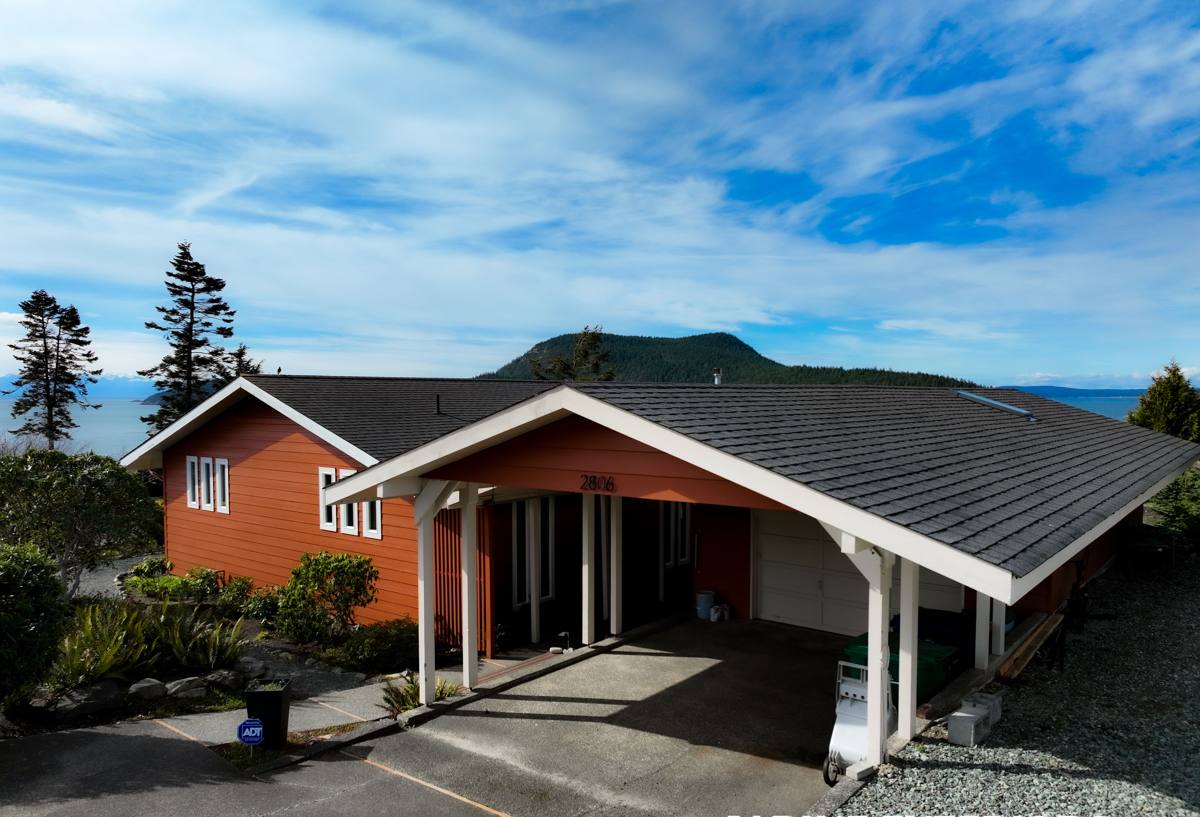
Cordata sits in that stretch of Whatcom County where marine air off the Salish Sea meets inland weather patterns rolling down from the foothills. Homes here don't get the harshest coastal exposure you'd find right on the water, but they still take a steady beating: salt-tinged air moving in on the wind, long stretches of driving rain from fall through spring, and a moss season that can run half the year on anything shaded or north-facing. It's a climate that rewards exteriors built to shed water and resist rot, and it punishes anything that wasn't installed with drainage and ventilation in mind.
We work throughout Whatcom County, and Cordata is a neighborhood we know well — the mix of newer construction and older homes, the tree cover that keeps roofs and siding damp longer than homeowners expect, and the specific ways moisture finds its way into wall assemblies here. That local knowledge shapes how we approach every siding, roofing, window, and deck project we take on in the area.
What the Climate Actually Does to a House
Salt Air and Corrosion
Even set back from the water, homes in this part of Washington get enough salt-laden moisture in the air to accelerate corrosion on fasteners, flashing, and any exterior material that isn't rated to handle it. Over years, this shows up as rust streaking, failing hardware, and premature wear on trim and siding edges.
Driving Rain
Rain here doesn't just fall straight down — wind-driven rain pushes water sideways into seams, laps, and joints that a calmer climate would never test. Siding systems and roofing details that rely on gravity alone to shed water tend to fail here faster than they would elsewhere. Proper flashing, lap sequencing, and drainage planes matter more in Whatcom County than in drier parts of the state.
Moss and Sustained Dampness
Moss doesn't just grow on roofs — it colonizes siding, decking, and any shaded exterior surface that stays damp for extended periods. Beyond the cosmetic issue, moss holds moisture against the substrate, which accelerates rot in wood-based products and can degrade caulking and sealants faster than manufacturers' warranties assume. A long moss season means exteriors here need real drying capacity between rain events, not just water resistance.
Siding: Why We Only Install James Hardie
Siding is the first line of defense against everything above, and it's also the product decision homeowners regret most when it's made on price alone. We install exclusively James Hardie fiber cement siding — we don't install vinyl, LP SmartSide, Cemplank, Allura, primed spruce, or cedar. That's not a marketing position; it's a standard we hold because of what we've seen play out on homes in this exact climate.
What Wood and Engineered Wood Products Face Here
Cedar and primed spruce look great going up, but they're organic materials in a climate that keeps them wet for long stretches of the year. Wood siding needs consistent maintenance — refinishing, caulking, moisture monitoring — to hold up against sustained dampness and moss growth. LP SmartSide improved on old wood composite technology, but it's still an engineered wood product with a treated strand core, meaning cut edges and damaged areas need diligent sealing to keep moisture out. Skip a maintenance cycle in a wet stretch of Whatcom County weather, and these products can start showing swelling, delamination at the edges, or fungal growth before a comparable fiber cement installation would show any wear.
Where Vinyl Falls Short
Vinyl is affordable and low-maintenance in the sense that it doesn't need paint, but it's a thin plastic product that flexes, fades, and can crack in cold snaps or warp near heat sources. It also doesn't offer the same fire resistance or dent resistance as fiber cement, and its appearance reads as vinyl up close — a trade-off some homeowners are fine with, but one we think is worth knowing about before committing to a 20-30 year exterior decision.
Cemplank and Allura: Fair, but Not Our Choice
Cemplank and Allura are both legitimate fiber cement products, and we're not going to claim they're inferior materials. Our decision to standardize on James Hardie comes down to their engineered HZ5 product line (built specifically for climates like ours with heavy moisture exposure), the factory-applied ColorPlus finish that resists fading and chipping better than field-applied paint, and a warranty structure we've found to be the strongest and most consistently honored in the fiber cement category. Standardizing on one manufacturer also means our crews install the same system on every job, which keeps installation quality consistent — a major factor in how any fiber cement product performs long-term.
Why Installation Quality Matters as Much as the Product
Fiber cement siding, including Hardie, is only as good as the flashing, lap spacing, fastening pattern, and joint treatment behind it. In a driving-rain climate, a technically correct product installed with shortcuts will leak. We install to Hardie's published specifications on every job — proper clearances, correct fastener type and placement, and flashing details that account for wind-driven rain rather than just vertical runoff.
Roofing for a Long Wet Season
Roofs in Cordata deal with the same driving rain and moss pressure as siding, but with the added stakes of a failure point overhead. We look closely at flashing around penetrations, valley construction, and ventilation — a roof that can't breathe traps moisture in the attic space, which accelerates deck rot and shortens the life of shingles from underneath, not just on top. Moss treatment and prevention matter here more than in drier regions; we address roof design and material choice with that reality in mind rather than treating moss as a once-a-year cleaning problem.
Windows: Sealing Out Wind-Driven Moisture
Window failures in this climate are rarely about the glass — they're about the flashing and sealant details around the frame. Wind-driven rain finds gaps that a calmer climate would never expose, so proper window flashing integration with the surrounding siding is critical. When we replace windows, we treat the flashing and water management as inseparable from the siding work around it, because a poorly integrated window is one of the most common sources of hidden wall rot we find when we open up an older home's exterior.
Decks: Built to Handle Standing Moisture
Decks take the moss and moisture problem head-on since they're horizontal, often shaded, and exposed to standing water after heavy rain. Material choice, proper drainage slope, and joist protection all matter more here than in a drier climate. We build and repair decks with an eye toward drainage and airflow underneath, not just the visible surface.
Comparing Siding Options for This Climate
| Material | Moisture Resistance Here | Maintenance Burden | Our Position |
|---|---|---|---|
| James Hardie Fiber Cement | Engineered HZ5 line for wet climates | Low — factory finish, minimal upkeep | What we install |
| Cemplank / Allura | Good, fiber cement based | Low to moderate | Legitimate product, not our standard |
| LP SmartSide | Moderate — treated wood core needs sealed edges | Moderate — edge sealing, monitoring | We don't install |
| Vinyl | Moderate — can warp, doesn't rot | Low, but limited repair options | We don't install |
| Cedar / Primed Spruce | Poor in sustained dampness without upkeep | High — refinishing, caulking cycles | We don't install |
Why a Local Crew Matters
Exterior work in Whatcom County isn't the same job as exterior work in Spokane or Yakima. A crew that installs siding, roofing, or windows in dry-climate regions won't naturally think about wind-driven rain angles or moss-prone north walls the way a crew that works this specific weather every day does. We're on Cordata roofs and siding jobs regularly enough to know which details actually matter here versus which ones are copied out of a generic install manual written for a different climate.
A local crew also means faster response when something needs a look — a suspicious stain after a storm, a section of siding that's holding moisture, a roof valley that needs a second opinion before it becomes a bigger problem. We're not driving in from another region to handle a callback.
What to Look For Before You Hire
- Ask what siding material they install and why — and whether they'll explain trade-offs, not just upsell
- Confirm they follow manufacturer-specified flashing and fastening details, not a generic install
- Ask how they handle moss prevention on roofs and decks, not just removal after the fact
- Check that window replacement includes proper flashing integration with the siding, not just a frame swap
- Get a written scope that specifies material, warranty terms, and who's responsible for water management details
- Ask how long they've worked in this specific climate, not just how long they've been in business
Get a Straightforward Look at Your Exterior
Whether it's siding showing its age, a roof that's holding onto moss longer than it should, windows that let in drafts during winter storms, or a deck that needs attention before another wet season, we're happy to take a look and give you an honest read on what your home actually needs. If you're in Cordata or anywhere else in the Ferndale service area, request a free, no-pressure estimate using the form below — we'll walk the property with you and talk through real options, not a sales script.