 Ferndale Exterior
 Exterior Work Built for Semiahmoo's Coastal Conditions
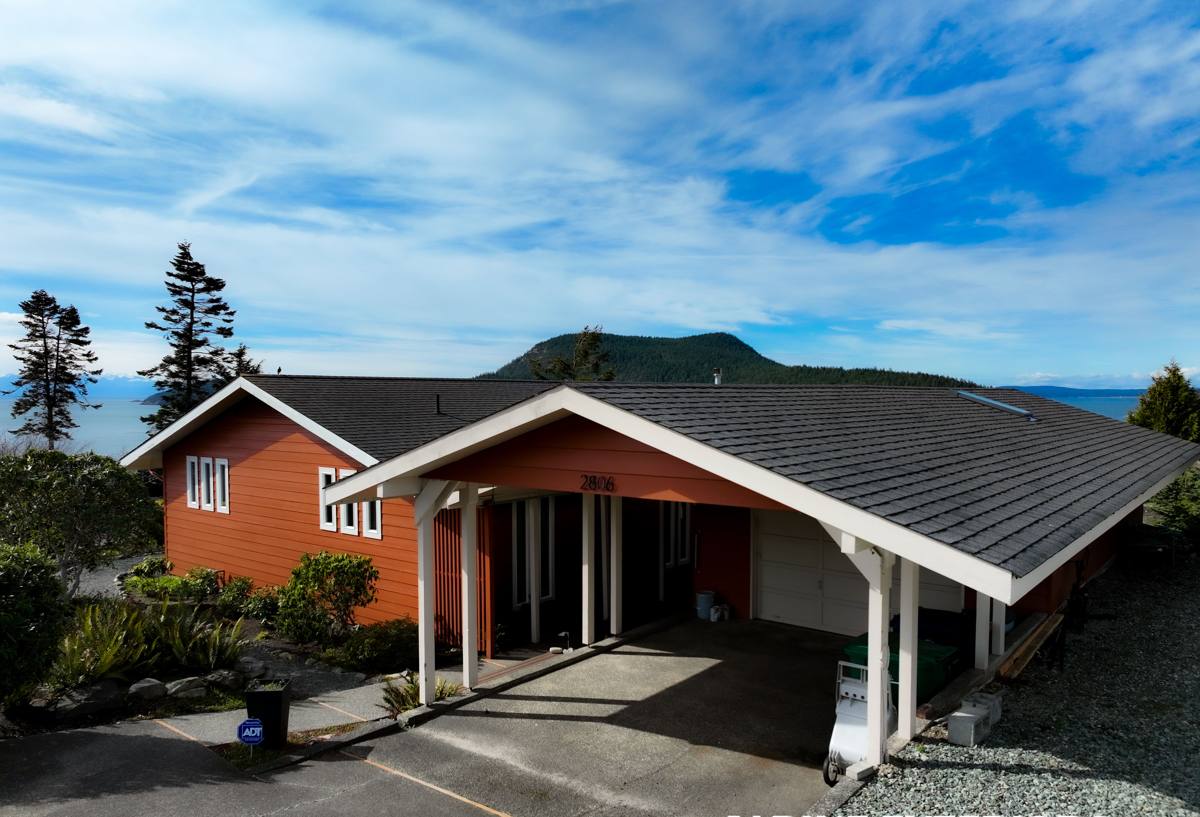
Homes near Semiahmoo sit in one of the more demanding exterior environments in Whatcom County. The combination of salt-laden air off the water, driving winter rain, and a moss season that can stretch across most of the year puts real stress on siding, roofing, trim, and windows. Ferndale Exterior Company works throughout this stretch of coastline, and we've built our approach around what actually holds up here — not what looks good on a showroom sample.
This page covers how we handle siding, roofing, windows, and decks for homes in and around Semiahmoo, and why the exterior products we use are chosen specifically for this kind of coastal exposure rather than for general-purpose use inland.
Why Semiahmoo's Climate Is Harder on a Home's Exterior
Salt Air and Corrosion
Proximity to salt water changes the math on exterior materials. Salt-laden air accelerates corrosion on fasteners, flashing, and any metal components on a roof or siding system. It also settles into porous or absorbent materials over time, which is one reason we pay close attention to what a product is made of, not just how it's finished on day one.
Driving Rain and Wind-Driven Moisture
Storms coming off the water tend to push rain sideways rather than straight down, which means water gets forced into joints, seams, and laps that would stay dry in a calmer inland setting. Siding and trim products that rely on tight factory tolerances and correct water-management detailing perform very differently under this kind of exposure than they do in a sheltered yard.
Moss, Algae, and Prolonged Dampness
Long stretches of overcast, damp weather are normal for this part of Whatcom County, and that means moss and algae growth on roofs and north-facing siding is a near-constant maintenance issue rather than an occasional one. Materials that hold moisture against the surface — or that provide a rougher texture for spores to grip — need more frequent cleaning and upkeep to avoid staining and premature wear.
Siding: Why We Only Install James Hardie
Ferndale Exterior Company installs James Hardie fiber cement siding exclusively. We don't install vinyl, LP SmartSide, Cemplank, Allura, primed spruce, or cedar. That's a deliberate standard, not a limitation on what we're capable of installing — and in a coastal environment like Semiahmoo, the reasoning holds up especially well.
What Rules Out the Alternatives
- Vinyl siding expands and contracts significantly with temperature swings and wind loading, which can open gaps at laps and corners over time. It's also a combustible plastic product, which matters more the closer a home sits to dry brush or wildfire-adjacent conditions inland, and it tends to fade and become brittle under UV exposure over the years.
- Wood products (cedar, primed spruce) look excellent when new but require an ongoing paint or stain maintenance cycle. In a damp, moss-prone coastal climate, wood siding is more prone to moisture absorption, rot at end grain and butt joints, and repeated repainting — a real, recurring cost that many homeowners underestimate at the time of installation.
- LP SmartSide is an engineered wood product with a resin-treated strand substrate. It performs reasonably in moderate climates, but it's still wood-based, meaning it depends heavily on caulking, flashing, and paint maintenance staying intact to keep moisture out over decades of coastal exposure.
- Cemplank and Allura are other fiber cement brands, and fiber cement as a category is sound. Our decision to standardize on James Hardie specifically comes down to consistency of manufacturing, the factory-applied ColorPlus finish system, and the strength of the transferable warranty backing the product — not a claim that competing fiber cement is defective.
What James Hardie Gets Right for This Area
James Hardie fiber cement siding is non-combustible, dimensionally stable, and engineered specifically for different climate zones through its HZ product lines. For coastal Pacific Northwest conditions, that means a product designed to resist moisture-driven warping and cracking, hold its factory-applied ColorPlus finish without the frequent repainting wood siding demands, and stand up to years of salt air and driving rain without the maintenance cycle that vinyl and wood require.
How We Approach a Siding Installation
Correct installation matters as much as product choice, especially in a wind-and-rain-driven climate. Our process on a typical Semiahmoo-area siding project includes:
- Removing existing siding and inspecting the sheathing underneath for hidden rot or moisture damage before anything new goes up
- Installing a proper weather-resistive barrier and correctly lapped flashing at every window, door, and penetration
- Following James Hardie's specified nailing pattern, fastener type, and clearance requirements rather than generic installation shortcuts
- Maintaining correct gaps and caulking at butt joints and trim to allow for material movement without letting water in
- Final inspection of all laps, corners, and flashing details before the job is considered complete
Roofing for Wind, Rain, and Moss Exposure
Roofs in this area take a beating from the same conditions that stress siding: wind-driven rain, salt air corrosion on flashing and fasteners, and near-constant moss pressure on north-facing and shaded slopes. We inspect roofs for these specific failure points — degraded flashing, moss-lifted shingles, and clogged gutters that back water up under the roof edge — and we install and repair roofing systems with attention to proper underlayment, flashing, and ventilation, since a roof that traps moisture underneath will fail from the inside regardless of how good the shingles look from the street.
Windows: Sealing Out Wind-Driven Rain
Window failures near the water are rarely about the glass itself — they're almost always about the seal, the flashing, and the installation. Wind-driven rain finds any gap in a window's integration with the surrounding wall assembly, and once water gets behind a window frame, it can rot sheathing and framing long before it becomes visible from inside. We install windows with proper flashing tape, sill pans, and integration into the weather-resistive barrier so the window works with the wall system rather than against it.
Decks: Built for a Wet, Shaded Climate
Decks near Semiahmoo deal with the same dampness and moss pressure as roofs, plus added exposure to standing water if drainage isn't handled correctly underneath. We build and repair decks with attention to proper flashing where the deck ties into the house, adequate spacing and drainage to let surfaces dry out between rain events, and materials suited to a climate where a deck can stay damp for days at a time rather than drying quickly in the sun.
Cost Factors for Semiahmoo-Area Exterior Projects
Every home is different, but the following factors tend to move the price on siding, roofing, window, and deck work in this area more than they would in a milder inland location:
| Factor | Why It Affects Cost Here |
|---|---|
| Existing moisture damage | Coastal dampness and moss cover can hide rot in sheathing or framing that isn't found until old material comes off |
| Flashing and water-management detail | Wind-driven rain requires more careful, more labor-intensive flashing at every joint and penetration |
| Corrosion-resistant fasteners and hardware | Salt air exposure calls for hardware rated to resist corrosion, which costs more than standard fasteners |
| Access and site conditions | Coastal lots with steep grades, bluffs, or limited access can add time and equipment costs |
| Scope of moss and algae remediation | Heavily affected roofs or siding may need cleaning and treatment before new material goes on |
Why a Local Crew Matters Here
A crew that works this specific stretch of Whatcom County coastline day in and day out learns things that don't show up in a general installation manual: which corners of a roof collect moss fastest, how far wind-driven rain typically travels up a wall in a storm, which flashing details actually hold up after a few winters near the water. That kind of pattern recognition comes from repetition in this exact climate, not from a crew that mostly works inland and treats a coastal job as an exception.
Being local also means we're available for the follow-up — a warranty question, a maintenance check, or a quick look at something that's come up a year or two after the work is done. That matters more in a climate that's actively testing every exterior surface on a home, year-round.
A Simple Homeowner Checklist for This Climate
- Check gutters and downspouts for moss and debris buildup at least twice a year
- Look for dark streaking or moss growth on north- and shade-facing siding and roof slopes
- Inspect caulking around windows and trim annually for cracking or gaps
- Watch for soft spots on decking, especially near the house-to-deck connection
- Address small moisture issues early — in this climate, small gaps become bigger problems faster than they would in a drier region
Getting Started
If you're weighing a siding, roofing, window, or deck project on a home near Semiahmoo, we're glad to take a look and walk through what we're seeing and why. There's no pressure and no cost to get an estimate — just a straightforward look at your home's exterior from a crew that works this coastline regularly.