 Ferndale Exterior
 Local Exterior Work for the Fairhaven Area
Fairhaven-area homeowners near Ferndale deal with a specific mix of weather that inland Whatcom County properties don't see the same way: salt-laden air off the water, wind-driven rain that finds every gap in a building envelope, and a long, damp moss season that starts earlier and ends later than most people expect. We're a Ferndale-based exterior contractor, and this part of our service area gets a disproportionate share of our siding, roofing, window, and deck calls for exactly that reason — the exterior of a house here works harder than it does twenty miles inland.
This page walks through what that climate actually does to a home's exterior, how we approach siding, roofing, windows, and decks for it, and why we standardized on one siding product instead of offering a menu of options. It's meant to be useful whether you're planning a full re-side this year or just trying to understand what's driving a repair estimate.
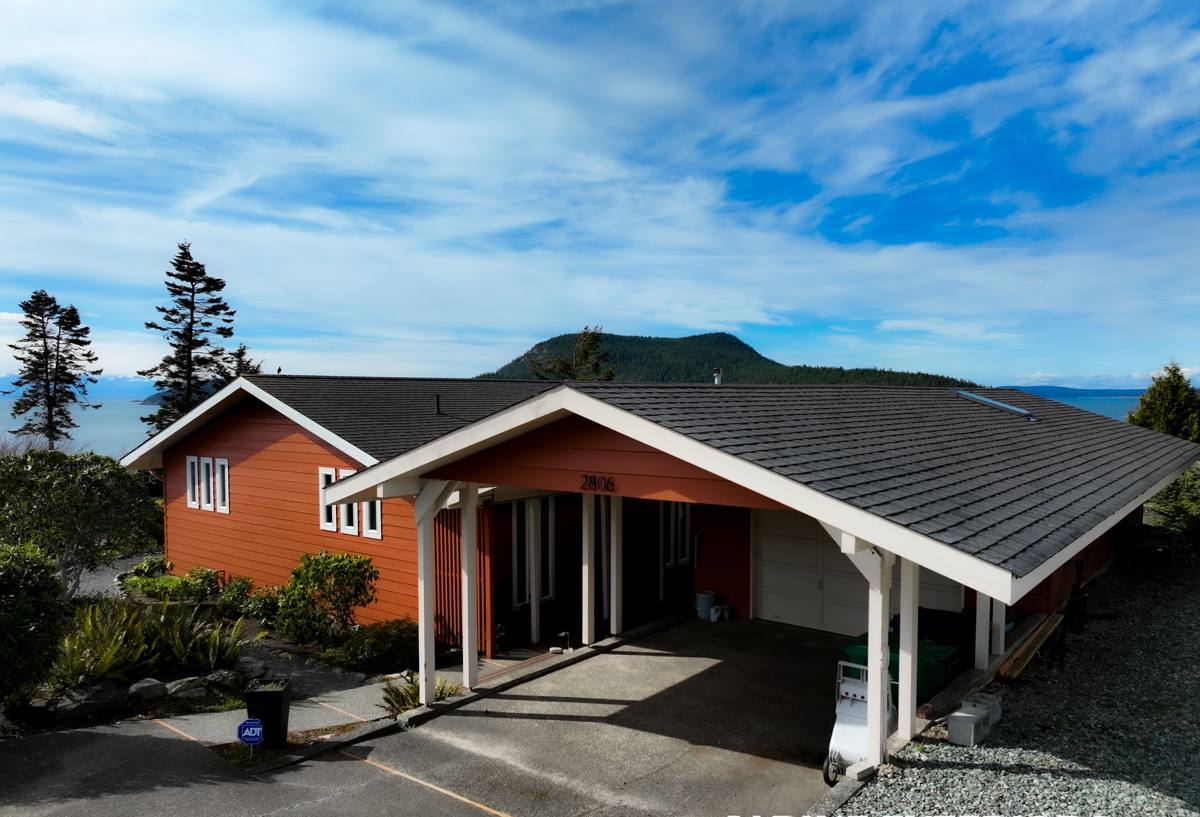
What the Climate Does to Homes Near Fairhaven
Three things show up over and over on inspections in this part of Whatcom County:
Salt Air and Corrosion
Proximity to saltwater accelerates corrosion on anything metal — fasteners, flashing, gutter hangers, hinges, and trim nails. Homes closer to the water tend to show rust staining on siding and trim years before an inland home with the same materials would. This is a materials and detailing issue as much as a maintenance issue: the wrong fastener or flashing metal in a salt-air environment is a slow, guaranteed failure.
Driving Rain
Rain here doesn't just fall — wind pushes it sideways into wall assemblies, especially on west- and southwest-facing elevations that catch weather coming off the water. That means water management (house wrap, flashing, proper laps, kick-out flashing at roof-to-wall intersections) matters more here than in a sheltered inland lot. A siding or roofing job that's technically "up to code" but sloppy on flashing details will leak here faster than almost anywhere else in the county.
Moss and Persistent Moisture
The moss season in this area runs longer than most homeowners realize — moisture sits on north-facing roof slopes, in shaded siding sections, and around trim for weeks at a time in fall, winter, and spring. Moss and algae growth isn't just cosmetic; sustained moisture against a wall or roof surface breaks down materials that aren't built to handle it, and it's a major factor in how fast a roof or siding job ages here compared to drier parts of the state.
Siding: Why We Only Install James Hardie
We install James Hardie fiber cement siding exclusively. We don't install vinyl, LP SmartSide, Cemplank, Allura, primed spruce, or cedar — not because those products don't have a place in the market, but because in this specific climate, the trade-offs stopped making sense to us as a company that has to stand behind the work.
What Rules Out the Alternatives Here
- Vinyl expands and contracts with temperature swings, can warp or crack in wind-driven weather, and doesn't hold up structurally the way fiber cement does over decades of coastal exposure.
- Wood products (cedar, primed spruce) require ongoing maintenance — painting, caulking, and moisture monitoring — that's harder to keep up with in a climate where damp conditions persist most of the year. Skip a maintenance cycle here and rot risk climbs fast.
- LP SmartSide is an engineered wood product, which means it shares wood's core vulnerability: it depends on the factory finish and field caulking staying intact to keep moisture out. In a driving-rain environment, any breach in that seal is a slower-moving but real problem.
- Cemplank and Allura are also fiber cement, and reasonable products in their own right — our decision to standardize on Hardie is about product line depth (climate-specific HZ formulations), factory finish warranty terms, and consistency of supply and installation training for our crews, not a claim that competing fiber cement is unsafe or defective.
What Hardie Gets Right for This Area
Hardie's fiber cement is non-combustible, doesn't absorb and swell with moisture the way wood-based products can, and the HZ5 product line is engineered specifically for wet, moderate climates like ours — it resists moisture-related damage better than the standard formulation sold in drier regions. The ColorPlus factory finish is baked on under controlled conditions, which matters in an area where field-applied paint has fewer good drying windows than homeowners in sunnier climates get. It also carries a strong transferable warranty, which matters to buyers if you sell the house down the road.
Roofing for Coastal-Adjacent, High-Moisture Conditions
Roofing in this area has to account for the same driving rain and extended moss season affecting siding. That means correct underlayment, careful valley and flashing work, and attention to ventilation — a roof that can't breathe traps moisture underneath the shingles and shortens the life of the whole system. We also talk to homeowners honestly about moss: prevention (zinc or copper strips, keeping trees trimmed back, periodic gentle cleaning) does more long-term good than aggressive pressure washing, which can strip granules and shorten shingle life.
Windows: Sealing Against Wind-Driven Rain
Window failures in this area are rarely about the glass — they're about the flashing and sealant details around the frame. A window installed without proper flashing integration into the wall's water-resistive barrier will eventually leak during a sideways rain event, even if it looked fine on a calm, dry install day. When we replace windows, the flashing detail at the rough opening gets as much attention as the window unit itself.
Decks: Built for Wet-Season Durability
Decks here spend a lot of the year under damp conditions, which affects both material choice and structural detailing — proper ledger flashing, joist protection, and drainage away from the house are non-negotiable. We build decks to hold up through repeated wet-dry cycles rather than just look good on installation day.
Why a Local, Ferndale-Based Crew Matters
Faster Response, Fewer Surprises
Being based in Ferndale means we're not driving in from Seattle or Everett for a service call. When a storm knocks something loose or a leak shows up, proximity turns into a faster inspection and repair — not a multi-week wait behind a contractor's regional route schedule.
Familiarity With Local Conditions and Permitting
We work within Whatcom County's permitting process regularly, and we've seen how homes in this specific area age — which elevations take the worst weather, where moss builds up fastest, which older installations tend to fail first. That's the kind of pattern recognition that only comes from working the same area repeatedly, not from a one-time regional dispatch.
What to Expect Working With Us
- An on-site inspection where we look at current siding, roofing, window, or deck condition and explain what we find in plain language
- A written estimate with a clear scope — no vague line items
- Straight answers about material options, including when Hardie fiber cement is or isn't the right fit for a given part of your project
- Attention to flashing and water-management details, not just the visible finish work
- A crew that shows up when scheduled and communicates if conditions or timelines change
Cost Factors to Understand Before You Budget
| Factor | Why It Matters Here |
|---|---|
| Elevation exposure | Walls and roof slopes facing prevailing wind and rain need more careful flashing and often wear faster, affecting scope and materials |
| Existing moisture damage | Hidden rot behind old siding or around windows adds repair scope that isn't visible until removal begins |
| Access and site conditions | Tree cover, slope, and proximity to neighboring structures affect labor time and equipment needs |
| Material selection | Fiber cement, roofing systems, and window quality tiers all carry different upfront costs and different long-term maintenance costs |
| Scope of tear-off | Full removal and replacement versus partial repair changes both cost and project timeline significantly |
Planning a Project in the Fairhaven Area
Whether you're dealing with siding that's showing its age, a roof that's holding onto moss longer each year, windows that leak in a sideways storm, or a deck that needs rebuilding for the long haul, the starting point is the same: an honest look at what's actually happening with your home's exterior and what it will take to fix it right for this climate. If you'd like that assessment, reach out for a free, no-pressure estimate — we'll walk the property, explain what we see, and give you a clear scope with no obligation.