 Ferndale Exterior
 Board & Batten Siding Built for Kendall's Climate
Kendall sits inland from the coast, but that doesn't mean the weather is easy on a house. Whatcom County still delivers driving rain for months at a stretch, damp shaded lots where moss and mildew set up fast, and enough temperature swing between seasons to stress any siding material that isn't installed with real precision. Board and batten siding has a clean, vertical look that a lot of Kendall homeowners want — whether they're building new, replacing tired wood siding, or updating a farmhouse-style exterior — but the profile itself is less forgiving of sloppy work than standard lap siding. The vertical boards and the battens that cover each seam create more joints, more fastener points, and more places where water can find a way in if the installation isn't done correctly.
We install board and batten siding exclusively in James Hardie fiber cement. We don't offer it in vinyl, LP SmartSide, or raw wood, and that's a deliberate standard, not a sales pitch. In a climate that stays wet for a large part of the year, the material behind that vertical look matters as much as the look itself.
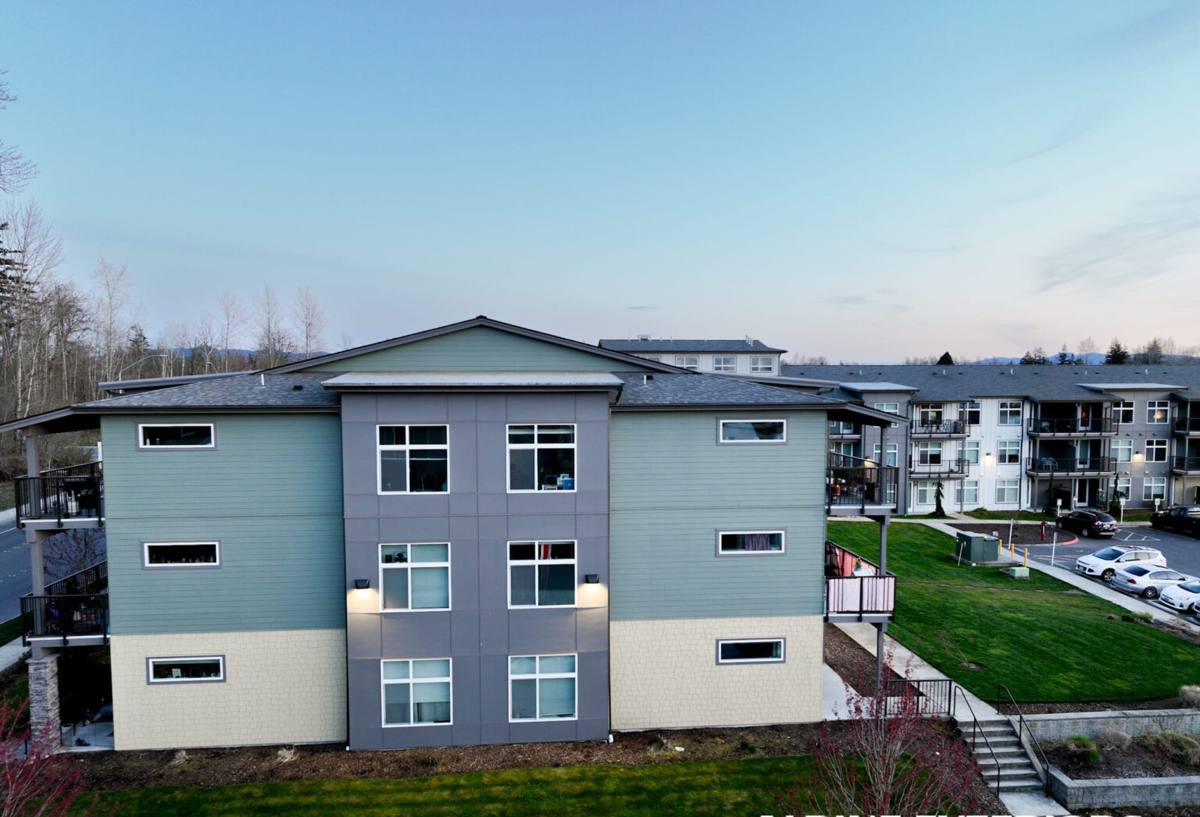
What Board & Batten Actually Is
Board and batten is a siding pattern, not a single product. Wide vertical panels or boards are installed first, and narrower strips — the battens — are fastened over each seam. The result is a rhythmic, shadow-lined vertical pattern that reads as more contemporary or more traditional-farmhouse depending on the trim details and color chosen around it.
In James Hardie's fiber cement lineup, this look is achieved primarily with HardiePanel vertical siding paired with Hardie battens, or with the Artisan series for a more refined, tighter-reveal appearance on higher-end homes. Both are factory-primed or ColorPlus factory-finished fiber cement, engineered to hold paint and color far longer than field-finished wood ever will, and both are rated for the kind of sustained moisture exposure Whatcom County sees from fall through spring.
Why the Profile Matters More Than People Expect
Because board and batten relies on overlapping vertical members rather than shingled horizontal courses, water doesn't shed the same way. A horizontal lap relies on gravity and overlap to move water down and off the wall. A vertical board and batten assembly relies much more heavily on what's happening behind the boards — the drainage plane, the flashing, and the gaps left for drying — to keep moisture from tracking sideways into the wall assembly. Get that part wrong and the siding can look fine for a year or two while trapped moisture does damage nobody can see yet.
What a Correct Installation Involves
A board and batten job that's actually built to last in this climate involves several things that don't show up in a quick description of "put up boards, nail on battens":
- A continuous water-resistive barrier and a true drainage plane behind the siding, not just house wrap stapled flat against the sheathing
- Rainscreen furring or a drainage mat in situations where the wall assembly needs a real air gap to dry, especially on shaded or north-facing elevations
- Correct fastener type, length, and spacing for the specific Hardie panel and batten combination, driven into framing rather than just sheathing
- Flashing at every horizontal transition — window and door heads, water tables, roof-to-wall intersections — installed before the siding, not caulked in after
- Deliberate gapping at panel butt joints and around penetrations, per manufacturer spec, so the assembly can expand and contract without cracking finish or trapping water
- Limited, correct-material sealant use at the joints that actually call for it, rather than caulk used as a substitute for proper flashing
Every one of those steps is in James Hardie's published installation requirements. They're also the first things that get skipped when a crew is moving fast or isn't used to the vertical profile specifically. We install to the manufacturer spec because that's also what keeps the Hardie product warranty intact — a warranty that's only as good as the installation behind it.
Where Kendall's Climate Puts the Most Stress on Vertical Siding
A few conditions specific to this area shape how we approach a board and batten job here:
Extended Wet Season
Long stretches of driving rain mean vertical seams and battens spend a lot of the year wet, not just briefly rained on. Panels and battens need to be able to shed that water and dry out between storms, which comes down to the drainage plane and gapping decisions made during installation, not anything visible from the curb.
Shade, Tree Cover, and Moss
Wooded lots and north-facing walls that don't get much direct sun stay damp longer, and that's exactly where moss and mildew take hold first. Fiber cement doesn't feed mold and moss the way wood fiber does, but any siding material will hold surface growth if a wall never fully dries. Good airflow behind the siding matters as much as the material choice.
Seasonal Temperature Swings
Wider day-to-night and season-to-season temperature swings inland mean more expansion and contraction cycling in the siding over its life. Correct gapping and fastening keep that movement from telegraphing into cracked caulk lines or nail pops down the road.
Our Process for a Kendall Board & Batten Job
We handle every board and batten install the same structured way, adjusted for the specific house and lot:
- On-site assessment — we look at existing siding condition, wall assembly, sun exposure, and drainage before quoting anything
- Tear-off and sheathing check — old siding comes off and we inspect sheathing for rot or moisture damage before anything new goes up
- Water-resistive barrier and drainage plane — installed continuous, with rainscreen furring where the wall assembly calls for it
- Flashing — windows, doors, and all horizontal transitions flashed before siding installation begins
- Panel and batten installation — James Hardie panels and battens installed to manufacturer fastening and gapping specifications
- Finish detailing — trim, corners, and the limited sealant points that are actually specified, not caulk used to paper over gaps
- Final walkthrough — we go over the finished work with the homeowner before calling the job done
Board & Batten Material Comparison
| Material | Behavior in Wet, Shaded Conditions | Finish Longevity | Long-Term Maintenance |
|---|---|---|---|
| James Hardie Fiber Cement | Non-combustible, doesn't rot or feed moss growth | ColorPlus factory finish holds color for years without repainting | Periodic washing; no refinishing on ColorPlus products |
| Cedar or Primed Wood | Absorbs moisture, prone to rot and moss in shaded areas | Field-applied finish weathers faster, especially in shade | Regular repainting or restaining and rot inspection |
| Vinyl Board & Batten | Doesn't rot, but can warp or gap with temperature swings | Color molded in but fades over time, cannot be repainted easily | Low, but panels can crack or dislodge in wind and cold |
| LP SmartSide | Engineered wood core, sensitive to sustained moisture at cut edges | Factory finish reasonable but wood-based core has different failure points | Edge sealing and moisture monitoring at seams |
We install the first option on this list. The others each have real strengths, but in a climate where the wall assembly stays wet for months of the year, a non-combustible material with a factory-cured finish that isn't sensitive to edge moisture is the standard we've chosen to build on.
What This Costs to Get Right
| Cost Factor | Why It Matters |
|---|---|
| Wall prep and sheathing repair | Rot found under old siding has to be addressed before new siding goes on — skipping this is how future problems get sealed in |
| Drainage plane and rainscreen furring | Adds labor and material but is what actually lets the wall dry between rain events |
| Panel and batten quantity | Board and batten uses more linear material and more fasteners than lap siding of the same wall area |
| Trim, corners, and flashing detail | Vertical profiles have more transitions to flash correctly than a simple lap wall |
| Elevation exposure | Shaded, north-facing, or tree-covered walls may need extra drainage detailing |
We won't quote broad numbers here without seeing the house — every wall is different — but these are the real factors that separate an honest quote from a low one that skips steps.
Maintenance Checklist for Board & Batten in This Climate
- Rinse siding annually to clear pollen, dust, and early moss growth, especially on shaded elevations
- Walk the exterior each fall and check caulk joints at trim and penetrations before the wet season sets in
- Keep gutters and downspouts clear so water isn't sheeting down the wall face
- Trim back vegetation and branches that keep a wall shaded and damp longer than it needs to be
- Watch for any staining or dark streaking at seams, which can signal a drainage issue worth a closer look
Why Hiring a Crew That Already Works in Kendall Matters
Board and batten forgives almost nothing when it comes to drainage and flashing detail, and a crew that only occasionally works this far into Whatcom County can miss how much wetter and shadier some Kendall lots are compared to town. We work this area regularly enough to know how much drainage detailing a given wall exposure actually needs, rather than defaulting to a one-size approach that works fine on a sunny, open lot but underperforms on a damp, tree-lined one. That local familiarity, combined with installing strictly to James Hardie's published specifications, is what keeps a board and batten exterior performing the way it's supposed to for the long haul.
If you're considering board and batten siding for a home in Kendall, we're glad to come take a look and talk through what your specific house and lot actually need. Estimates are free, there's no pressure, and you'll get a straight answer about what correct installation looks like for your property.