 Ferndale Exterior
 Kendall's Exterior Challenge: A Long, Wet Season That Never Really Ends
Kendall sits inland from Bellingham Bay along the Mount Baker Highway corridor, tucked into the foothills of Whatcom County where the Nooksack River valley starts to climb toward the Cascades. It's a different feel than the immediate coastline, but the weather pattern is still the same one that shapes exteriors across the whole county: long stretches of low-intensity rain from fall through spring, heavy tree cover that keeps roofs and siding shaded and damp, and a marine air mass moving in off the Salish Sea that keeps humidity high even on days it isn't actively raining. Homes closer to the water deal with salt-laden air directly; homes further inland like Kendall still get plenty of driving rain and the same moisture load, just with more shade and tree debris added to the mix from the surrounding timber.
None of that is dramatic weather. There's no hurricane season, no hailstorms tearing up roofs. The damage in a place like Kendall is slower and quieter — it's moss creeping across a north-facing roof slope, it's paint failing on siding that never fully dries out between rains, it's window frames swelling and sticking, it's deck boards going soft where they sit in shade half the day. By the time a homeowner notices, the problem has usually been building for a couple of seasons.
Why Siding Choice Matters More Here Than People Think
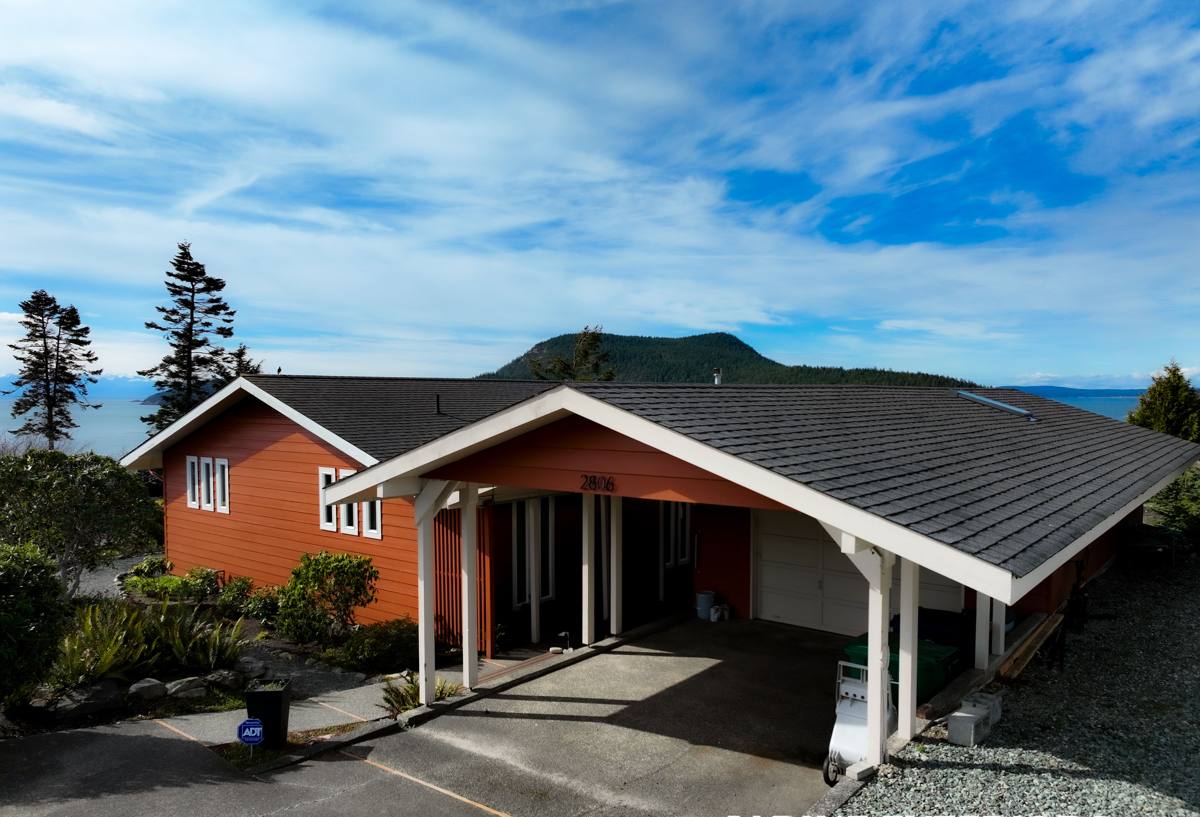
Siding is the single biggest exterior surface on a house, and in a climate that stays damp for eight or nine months of the year, the material you put up there determines how much maintenance you'll be doing and how long it'll actually last. This is why we made a deliberate decision as a company: we install James Hardie fiber cement siding, and only James Hardie. We don't install vinyl, LP SmartSide, Cemplank, Allura, primed spruce, or cedar.
What That Means for a Kendall Home
Fiber cement doesn't rot, and it isn't a food source for the fungi and moss spores that thrive in this kind of climate. It's also non-combustible, which matters more every year as wildfire smoke seasons stretch later into the summer even here in the wetter parts of the state. James Hardie's ColorPlus finish is baked on at the factory rather than field-applied, which means the color holds up under UV and moisture exposure far longer than a job-site paint job, and touch-up work is minimized.
We're not going to pretend other siding products are worthless — vinyl is inexpensive and cedar has real visual appeal, and homeowners are free to choose what they want from other contractors. But we've seen enough call-backs on moisture-related siding failures in this climate that we stopped installing products we didn't feel confident standing behind for the long haul. Hardie's engineered-for-climate HZ5 product line, combined with a proper installation — correct flashing, proper gapping, sealed penetrations — is what we're willing to put our name on.
| Siding Material | Moisture Behavior in Wet Climates | Maintenance Load |
|---|---|---|
| James Hardie Fiber Cement | Does not rot or absorb moisture like wood; resists moss growth | Occasional wash; factory finish holds color for years |
| Cedar | Absorbs moisture; prone to rot and moss without diligent upkeep | Regular staining/sealing, more frequent repairs |
| Vinyl | Doesn't rot, but can warp and trap moisture behind panels | Low, but limited lifespan and repair options |
| Primed Spruce/Engineered Wood | Vulnerable at cut edges and seams if moisture gets in | Ongoing inspection of seams and caulking |
Roofing Built for Shade, Rain, and Moss
A lot of Kendall's tree cover is a plus for privacy and shade, but it also means roofs stay wet longer after every rain and see less direct sun to dry out. That combination is exactly what moss and algae need to establish. Once moss takes hold under shingle tabs, it lifts them and lets water track underneath — that's when a cosmetic problem becomes a leak.
When we go up on a roof in this area, we're looking at more than just shingle condition. Flashing around chimneys, valleys, and skylights takes the most abuse in a wet climate and is often where leaks actually start, even when the shingles themselves look fine. Ventilation matters too — a roof deck that can't breathe traps moisture from below, which shortens the life of everything above it. We install roofing systems suited to this rain load and talk homeowners through moss-prevention options (zinc or copper strips, proper limb clearance) rather than just replacing shingles and moving on.
Windows: The Weak Point in a Damp Climate
Older windows in this part of Whatcom County tend to fail in predictable ways — seals break down, frames swell and stick, and single-pane or early double-pane units fog up between the glass. In a climate where the outside air is damp for most of the year, a failed window seal doesn't just cost you on heating; it lets moisture work into the surrounding wall framing. We install replacement windows sized and flashed correctly for the opening, with attention to how the window ties into the siding and weather barrier around it — a mismatch there is a common source of hidden water intrusion that shows up years later as rot inside the wall.
Decks That Hold Up Under Shade and Standing Moisture
Decks in a wooded, rain-heavy area like Kendall face a tougher job than decks in a drier climate. Shade slows drying time, fallen needles and leaves trap moisture against boards, and ground-level framing can sit damp for weeks at a stretch during the winter. We build and repair decks with attention to the details that actually matter here: proper spacing between boards for drainage and airflow, ledger board flashing that keeps water from tracking into the house structure, and framing details that keep wood-to-ground contact and standing water to a minimum. Material choice matters too — we'll talk through the real trade-offs between wood and composite decking for a shaded, damp lot rather than just selling whatever's easiest.
Why a Local Crew Matters for a Community Like Kendall
Kendall isn't downtown Bellingham — it's a smaller, more spread-out community, and homeowners here often deal with longer driveways, well systems, septic layouts, and properties bordered by trees or creek drainage. A crew that works this part of Whatcom County regularly understands those site conditions before they ever show up: how to stage material on a gravel driveway without tearing it up, how to plan around a septic field, how to work efficiently when a job site is 20 minutes further out than the last one. That local familiarity translates into fewer surprises and a smoother project, rather than a crew learning the area's quirks on your dime.
What to Expect When You Work With Us
- An in-person walkaround of your siding, roof, windows, and/or deck to identify actual condition, not just a sales pitch
- A written estimate that spells out material, scope, and timeline — no vague allowances
- Straight talk about what's urgent versus what can wait a season
- Correct installation details for this climate: flashing, ventilation, drainage gaps, and sealed penetrations
- A crew that shows up when scheduled and communicates if weather pushes the timeline
Cost Factors Homeowners Should Know
Exact pricing depends on the size and condition of your home, but a few factors consistently move the number for Kendall properties:
| Factor | Why It Matters |
|---|---|
| Tree cover and access | Heavier shade means more moisture exposure to plan for; dense tree lines can affect equipment access and staging |
| Existing damage or rot | Hidden moisture damage found once old siding or roofing comes off can add scope |
| Home size and story count | More surface area and higher elevations affect labor and material |
| Material selection | Fiber cement siding, roofing type, and window/deck material tier all shift the budget |
| Site conditions | Long driveways, slope, and drainage layout affect setup and disposal logistics |
Simple Maintenance Habits That Extend Exterior Life
- Keep tree limbs and brush trimmed back from siding and roof edges to reduce shade and debris buildup
- Clean gutters at least twice a year — clogged gutters send water where it doesn't belong
- Rinse siding and decking annually to keep moss and algae from establishing
- Check window and door caulking each fall before the wet season sets in
- Address small leaks or soft spots immediately — in this climate, small problems don't stay small
If you're in Kendall and dealing with moss on the roof, siding that's starting to show its age, drafty windows, or a deck that's seen better days, we're happy to take a look. Reach out for a free, no-pressure estimate — we'll walk the property with you and give you an honest read on what your home actually needs.