 Ferndale Exterior
 Building Decks for Semiahmoo's Coastal Conditions
A deck built near Semiahmoo faces a different set of demands than one built ten miles inland. The combination of salt-laden air, long stretches of driving rain, and a moss season that can run half the year puts real stress on materials, fasteners, and framing that a standard build doesn't always account for. We've built and repaired enough decks in this part of Whatcom County to know which shortcuts show up as problems in year two, and which details actually hold up.
This page is specifically about custom deck construction for homes in and around the Semiahmoo area near Ferndale, Washington — not a general overview of deck building. If you're weighing your options for a new deck or a full rebuild, the details below reflect what we actually do differently for this environment.
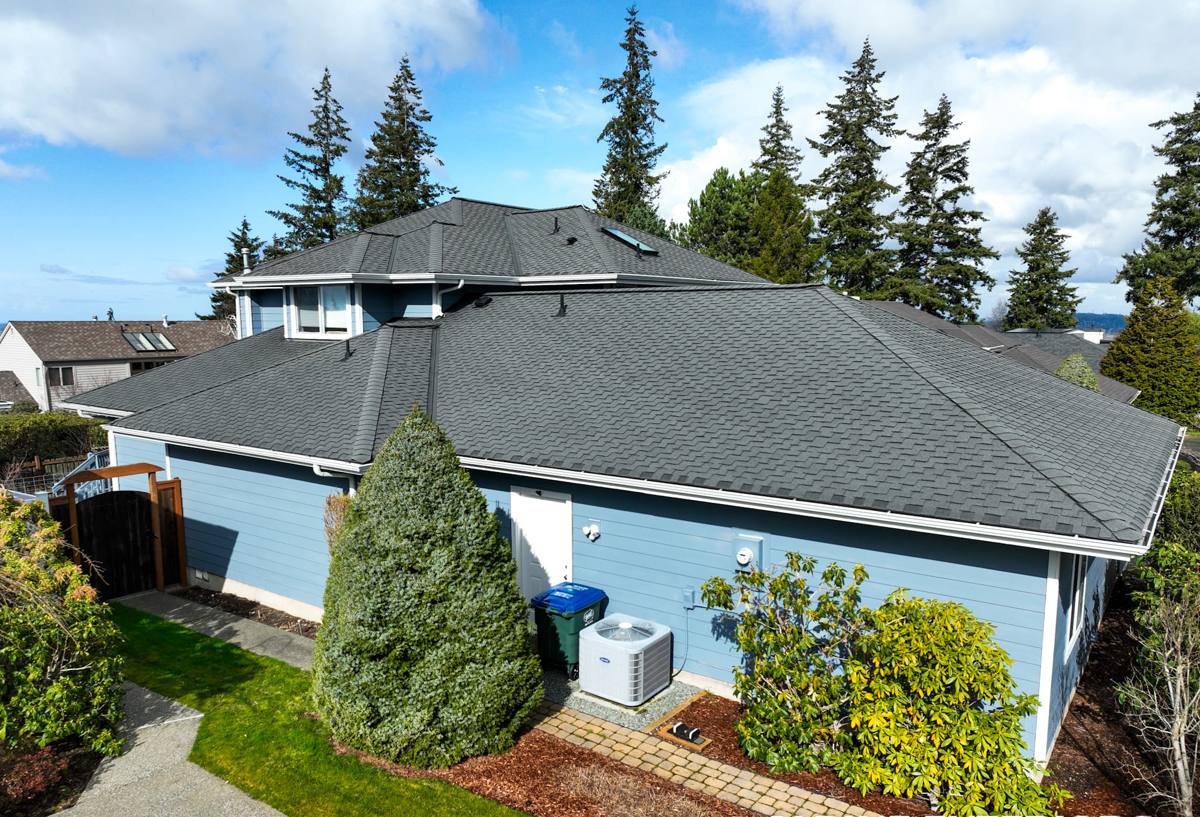
What Salt Air and Coastal Moisture Do to a Deck Over Time
Homes closer to the water deal with airborne salt that settles on every exposed surface, including metal hardware, fastener heads, and railing components. On its own, salt exposure speeds up corrosion on anything that isn't rated for it. Combine that with near-constant moisture from driving rain and heavy dew, and you get a slow but steady breakdown of anything built with the wrong grade of materials.
The failures we see most often on older or poorly-built decks in this area include:
- Rusted or corroded fasteners that streak the decking and eventually lose holding strength
- Ledger board rot where the deck meets the house, usually from missing or improper flashing
- Warped or cupped wood decking from repeated wet-dry cycling
- Moss and algae buildup on shaded or low-airflow sections, which holds moisture against the surface
- Corroded joist hangers and structural connectors hidden underneath the decking
None of these are unusual problems — they're the predictable result of building a deck the same way you'd build one somewhere dry and inland. The fix isn't complicated, but it does require choosing the right materials and details from the start.
Choosing the Right Decking Material
There's no single "best" decking material for every home — it depends on your budget, how much upkeep you want to do, and how exposed the deck will be to sun, rain, and salt air. Here's how the common options compare for a coastal Whatcom County property:
| Material | Moisture & Salt Resistance | Maintenance | Typical Lifespan |
|---|---|---|---|
| Pressure-treated wood | Good if sealed regularly; vulnerable if maintenance lapses | Annual cleaning and re-sealing recommended | 10-15 years with upkeep |
| Cedar | Naturally rot-resistant but still needs sealing near salt air | Periodic cleaning and oiling | 15-20 years with upkeep |
| Composite decking | Very good — doesn't absorb moisture or warp like wood | Occasional washing, no sealing or staining | 25-30 years, manufacturer-dependent |
| PVC decking | Excellent — fully moisture-resistant material | Low; occasional washing | 25-30+ years, manufacturer-dependent |
For homes with direct exposure to marine air, we generally steer clients toward composite or PVC decking for the walking surface, simply because they don't rely on an owner keeping up with annual sealing to stay protected. Wood can still be the right call for homeowners who want that specific look and are willing to stay on top of maintenance — we'll walk you through the honest trade-offs for your situation rather than push one product line.
What We Won't Do, and Why
We don't install decking or fastener systems that look fine on day one but create maintenance headaches two or three years in — things like unrated fasteners, undersized flashing, or decking installed tight against the house without a drainage gap. It's not that any particular product is inherently bad; it's that in a wet, salt-exposed environment, those shortcuts fail faster here than they would somewhere drier, and we'd rather build it right the first time than come back for a warranty repair.
Hardware, Fasteners, and Framing Details That Actually Matter
Most of what determines whether a deck lasts 10 years or 25 years is hidden once the project is done. The framing and fastener choices happen below and behind the decking boards, which is exactly why they're easy to skip on a rushed job.
For coastal-exposed builds, we pay particular attention to:
- Fastener grade: stainless steel or heavy hot-dip galvanized fasteners rated for coastal and treated-lumber contact, not standard-grade hardware that corrodes within a few seasons
- Ledger flashing: proper flashing and a drainage gap where the deck attaches to the house, so water is directed away from the structure instead of trapped against it
- Joist hangers and structural connectors: matched corrosion-resistant coatings so the metal doesn't become the weak point in an otherwise solid frame
- Post bases: elevated, moisture-isolating post bases rather than posts set directly in or against concrete where water pools
These details cost more upfront than the cheapest available hardware. They're also the difference between a deck that needs board replacement in a decade and one whose frame is still sound decades later.
Drainage, Airflow, and Managing Moss Season
Whatcom County's long wet season means moss isn't a cosmetic afterthought — it's a design consideration. Moss and algae need moisture and low airflow to take hold, and a deck built without attention to drainage and ventilation gives them exactly that.
We address this at the design stage, not after the fact, by planning for:
- Proper board spacing so water sheds through rather than pooling on the surface
- Adequate clearance and airflow underneath the deck, especially on lower or ground-level builds
- Grading and drainage around footings so water doesn't collect and sit against the structure
- Decking material and finish choices that resist algae growth better in shaded, low-sun areas
No deck is entirely maintenance-free in this climate, but a well-drained, well-ventilated deck needs a lot less scrubbing and far fewer repairs than one that traps water against every board.
Our Custom Deck Process
Every property near Semiahmoo has its own layout, sun exposure, and wind pattern, so we don't work off a one-size-fits-all deck plan. Our process generally runs:
- On-site assessment: we look at your home's exposure, existing structure (if any), drainage, and how you actually plan to use the space
- Design and material selection: we walk through decking, railing, and hardware options with honest pros and cons for your budget and exposure level
- Permitting: we handle the permit process for structural work that requires it
- Demolition, if needed: removal of an existing deck, including any rot or corrosion assessment on the framing underneath
- Framing and structural work: ledger flashing, joist layout, and hardware installed to coastal-appropriate standards
- Decking, railing, and finish work: installed with proper spacing and drainage detail from the start
- Final walkthrough: we go over care and maintenance specific to the materials you chose
We keep you informed at each stage rather than disappearing until the job is "done," and we're straightforward about timelines — coastal weather windows matter for scheduling framing and finish work correctly.
Permits and Local Considerations
Deck projects in Whatcom County typically require a permit once you're dealing with structural elements like framing, footings, or attachment to the house — the specific requirements depend on the size, height, and design of the project. We handle that process as part of the build so you're not left navigating it on your own. Because we work in this area regularly, we're familiar with the inspection expectations for coastal, moisture-exposed construction.
Deck Maintenance Checklist for Semiahmoo Homeowners
Whatever material you choose, a little seasonal attention goes a long way in this climate. A simple annual routine we recommend to clients:
- Sweep debris and standing leaves off the deck surface regularly, especially in fall
- Rinse the deck surface and clear gaps between boards to keep drainage paths open
- Check and clear any moss or algae buildup before it spreads, particularly in shaded areas
- Inspect fasteners and railing connections annually for rust staining or looseness
- Reseal or restain wood decking on the manufacturer-recommended schedule
- Confirm under-deck airflow isn't blocked by stored items or overgrown landscaping
Why Local Experience on Semiahmoo-Area Homes Matters
A deck built by a crew that mostly works dry, inland projects will often use the same materials and details everywhere, because that's what's worked for them elsewhere. That approach doesn't hold up the same way against salt air and a long, wet Whatcom County winter. Working regularly in the Ferndale and Semiahmoo area means we've already seen which fastener grades, flashing details, and material choices last here — and which ones come back as repair calls a few years later. That experience shows up in the details you can't see once the project is finished, which is exactly where it matters most.
If you're planning a new deck or considering rebuilding an aging one, we're happy to take a look and walk you through your options. Reach out for a free, no-pressure estimate using the form below.