 Ferndale Exterior
 Deck Repair Built for Kendall's Conditions
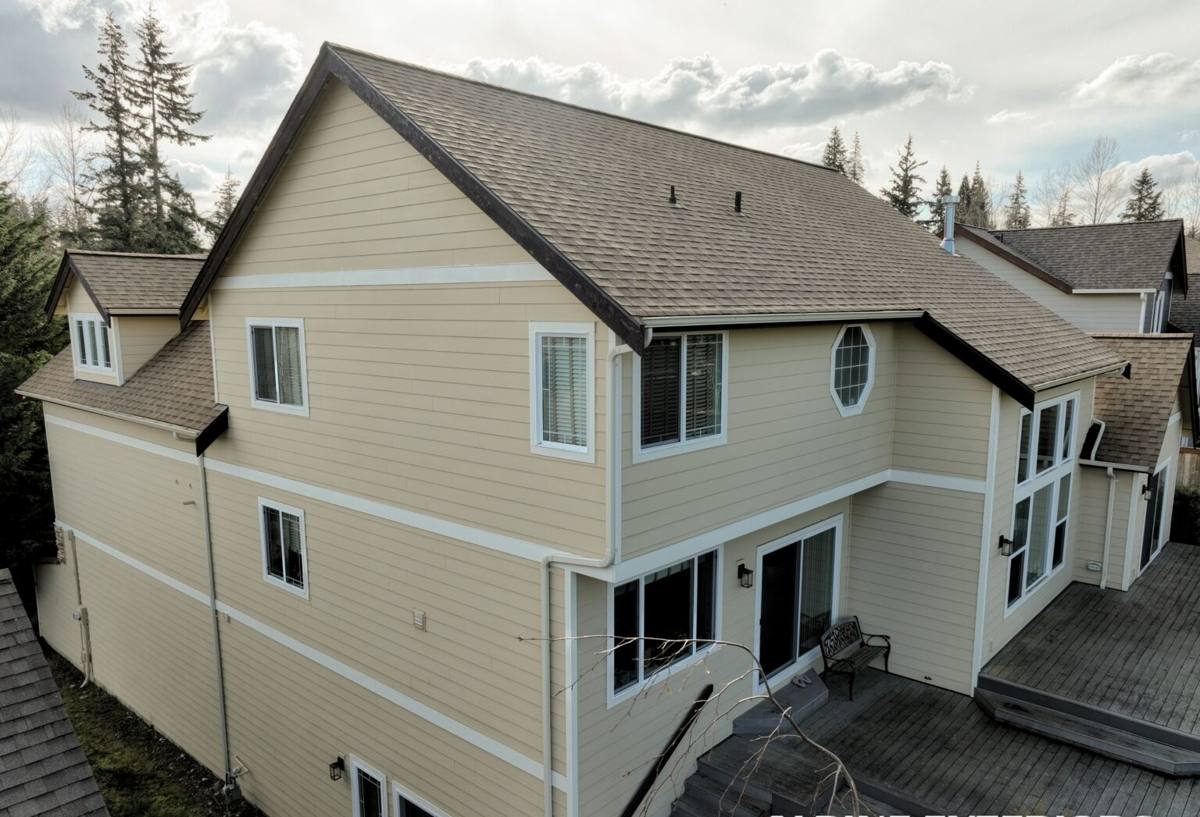
Kendall sits back from the water and up into the foothills, which means it gets its own version of what Whatcom County throws at outdoor structures. It's less about salt air out here and more about tree cover, shade, and rain that lingers on wood far longer than it does on an open, sunny lot. Combine that with the driving rain and long moss season that hit this whole corner of the county, and a deck built even ten or fifteen years ago is probably showing wear in ways that aren't obvious from a quick walk-around.
We repair decks in Kendall the way we'd want one repaired at our own house: fix what's actually failing, leave what's still sound, and don't sell a full rebuild when a targeted repair will hold up for years. That approach only works if the person doing the inspection actually understands how decks fail in this climate — which is different from how they fail in a drier part of the state.
Why Decks Age Differently Out Here
Whatcom County's wet season isn't just about total rainfall — it's about how long moisture sits on a surface before it dries. In shaded, tree-lined areas like Kendall, decks often stay damp for days after a storm because sunlight and wind don't reach the boards to dry them out. That prolonged dampness is what drives rot, not the rain itself.
- Fir needles and leaf litter collect between boards and hold moisture against the wood
- Moss and algae take hold on shaded decking and stair treads, making them slick and trapping water underneath
- Freeze-thaw cycles at slightly higher elevation can widen small cracks in framing and fasteners over a winter
- Splash-back from ground-level plantings keeps the underside of low decks perpetually damp
None of this means a deck in Kendall is doomed — it means the maintenance schedule and repair priorities are a little different than they'd be for a deck baking in full sun somewhere drier.
The Moss Season Factor
Moss doesn't just make a deck look neglected — it's actively bad for the wood underneath. A mossy patch holds water against the board surface long after the rest of the deck has dried, softening fibers and creating a foothold for rot to start. Left alone through a few wet seasons, what started as a cosmetic problem becomes a structural one, particularly on stair treads and any boards that sit in permanent shade.
What Deck Repair Actually Covers
"Deck repair" gets used loosely, so it's worth being specific. A proper repair addresses whatever has actually failed — not everything at once, and not just the parts that are visible from the yard. The most common issues we find on older Kendall decks fall into a few categories.
Structural Issues
This is the part that matters most for safety. Ledger boards — the piece that attaches the deck to the house — are a frequent failure point when flashing was installed incorrectly or has failed over time, letting water track behind the siding and into the rim joist. Posts and footings can shift or rot at the base, especially where soil stays wet. Joists themselves can rot from the top down if the decking above them has been holding water for years.
Surface and Cosmetic Issues
Cupped, splintering, or soft decking boards, popped or corroding fasteners, and graying or peeling finish fall into this category. These aren't usually urgent from a safety standpoint, but they're often the first visible sign that something underneath needs a closer look.
Railings and Stairs
Guardrails and stair stringers take a disproportionate amount of abuse — they get grabbed, leaned on, and are often the last thing anyone thinks to inspect. A loose or rotted railing post is a real fall hazard, not just an eyesore, and it's one of the most common things we tighten up or rebuild during a repair visit.
Signs a Kendall Deck Needs Attention
Most deck problems give some warning before they become dangerous or expensive. Worth checking for:
- A screwdriver or awl sinks easily into a board or post — a sign of soft, rotting wood
- Railings that flex or move when you lean on them
- Rust streaks running down from fasteners or metal connectors
- Gaps or dark staining where the deck meets the house siding
- Persistent moss or dark green-black staining on boards that never fully dries out
- Stair treads that feel spongy or bounce underfoot
- Boards that have cupped or crowned noticeably compared to the rest of the deck
Any one of these is worth a look. Several at once usually means it's time to get an inspection rather than wait for another wet season to make things worse.
How We Approach a Repair
We start with a full inspection, not just a look at the obvious problem area. Rot and moisture damage rarely stay contained to one board — if a homeowner calls about a soft spot near the stairs, we're also checking the ledger connection, the framing underneath, and the posts, because those are the areas that fail quietly and cause the most damage if ignored.
From there, we give a straight answer on scope: what needs to be replaced now, what's marginal and worth watching, and what's genuinely fine. We match decking material, fastener type, and finish as closely as practical so a repair doesn't stand out as a patch job, and we make sure any structural work — ledger flashing, post connections, joist hangers — meets current code, even if the original build predates it.
Typical Repair Sequence
- Inspection of framing, connections, decking, and railings
- Written scope covering what's failing versus what's sound
- Removal of damaged material without disturbing sound structure
- Correction of the underlying cause — usually flashing, drainage, or ventilation — not just the symptom
- Replacement of framing, decking, or railing components as needed
- Fastener and hardware upgrade where the originals have corroded
- Final check and cleanup
Repair or Replace? Weighing the Factors
Not every aging deck needs to come down. The decision usually comes down to how much of the structure — versus just the surface — has been compromised.
| Factor | Leans Toward Repair | Leans Toward Replacement |
|---|---|---|
| Framing condition | Joists and ledger are sound, isolated soft spots | Widespread rot in joists, posts, or ledger connection |
| Age of structure | Under 15-20 years, built to reasonable standards | Older structure with outdated or missing flashing details |
| Decking surface | Scattered damaged boards | Most boards cupped, splintering, or rotted |
| Footings and posts | Stable, no visible movement or rot at base | Settling, shifting, or rot at ground contact points |
| Code compliance | Railings, guards, and connections meet current standards | Railing height, spacing, or attachment doesn't meet code |
When the framing is sound, targeted repair is almost always the more honest recommendation — it costs less and gets more useful life out of a structure that still has good bones. When the framing itself is compromised, patching the surface just delays a bigger problem and can mask issues that matter for safety.
Material Choices When Repairing
When we're replacing decking boards on an otherwise sound deck, we usually recommend matching what's already there — pressure-treated lumber, cedar, or composite — rather than mixing materials, since different products expand, contract, and weather differently, and a mismatch tends to show. That said, a repair is also a reasonable point to upgrade a chronically problem-prone area, like swapping a low, shaded section of natural wood decking for a composite board that won't hold moisture the same way.
We're upfront about trade-offs either direction. Composite decking resists rot and doesn't need refinishing, but it costs more up front and, on shaded sections, still needs regular cleaning to keep moss and mildew from building up on the surface — the material doesn't rot, but grime still collects. Natural wood costs less initially and can be refinished indefinitely, but it needs more consistent maintenance in a climate that stays damp as long as this one does. Neither is wrong; it depends on how much upkeep a homeowner wants to commit to.
Keeping a Repaired Deck in Good Shape
A repair holds up a lot longer with a little seasonal attention, especially given how long moss season runs in this part of Whatcom County. A short annual routine goes a long way:
- Sweep needles and leaf litter out from between boards before fall rains set in
- Clean visible moss or algae early, before it has a chance to soften the wood underneath
- Check that gaps between boards haven't closed up with debris, since airflow underneath is what lets a deck dry out
- Look at the ledger board and flashing line once a year for staining or gaps
- Give railings and stair posts a firm push-test to catch loosening early
- Reapply finish or sealer on natural wood on the manufacturer's recommended schedule, not just when it looks worn
Why a Crew That Already Works Kendall Matters
Deck repair done right requires knowing how a specific site behaves — how much shade it holds through the day, how fast water actually drains off a particular lot, whether a section stays wet longer because of tree cover or slope. A crew that regularly works in and around Kendall has already seen how the local rain, moss, and shade patterns play out on real decks here, not just in a training manual.
There's also a practical side: permitting and inspection requirements for structural deck work in unincorporated Whatcom County differ from what applies inside city limits, and getting that wrong can mean redoing work or dealing with a failed inspection. A local crew handles that as a matter of course rather than learning it on the fly.
If a deck in Kendall is showing soft spots, loose railings, or that stubborn moss that never quite goes away, we're happy to take a look and give you a straight read on what it needs. Reach out for a free, no-pressure estimate using the form below.