 Ferndale Exterior
 Deck Replacement Built for Lummi Nation's Marine Climate
A deck on the Lummi Nation peninsula lives a harder life than a deck twenty miles inland. It sits closer to open water, catches more direct wind, and spends more of the year damp than a deck tucked into a sheltered Ferndale lot. Salt-laden air moves off Bellingham Bay and the Strait almost constantly, rain arrives sideways as often as it falls straight down, and shaded, low-lying stretches of the peninsula stay wet enough to keep moss active most of the year. None of that means a deck out here can't last decades — it means it has to be built with that exposure in mind from the framing up, not patched together with the same approach you'd use on a dry inland lot.
This page covers what a deck replacement specifically involves for a Lummi Nation property: what the climate does to structure and materials, what a correct rebuild looks like underneath the decking boards, and why the details matter more here than almost anywhere else in Whatcom County.
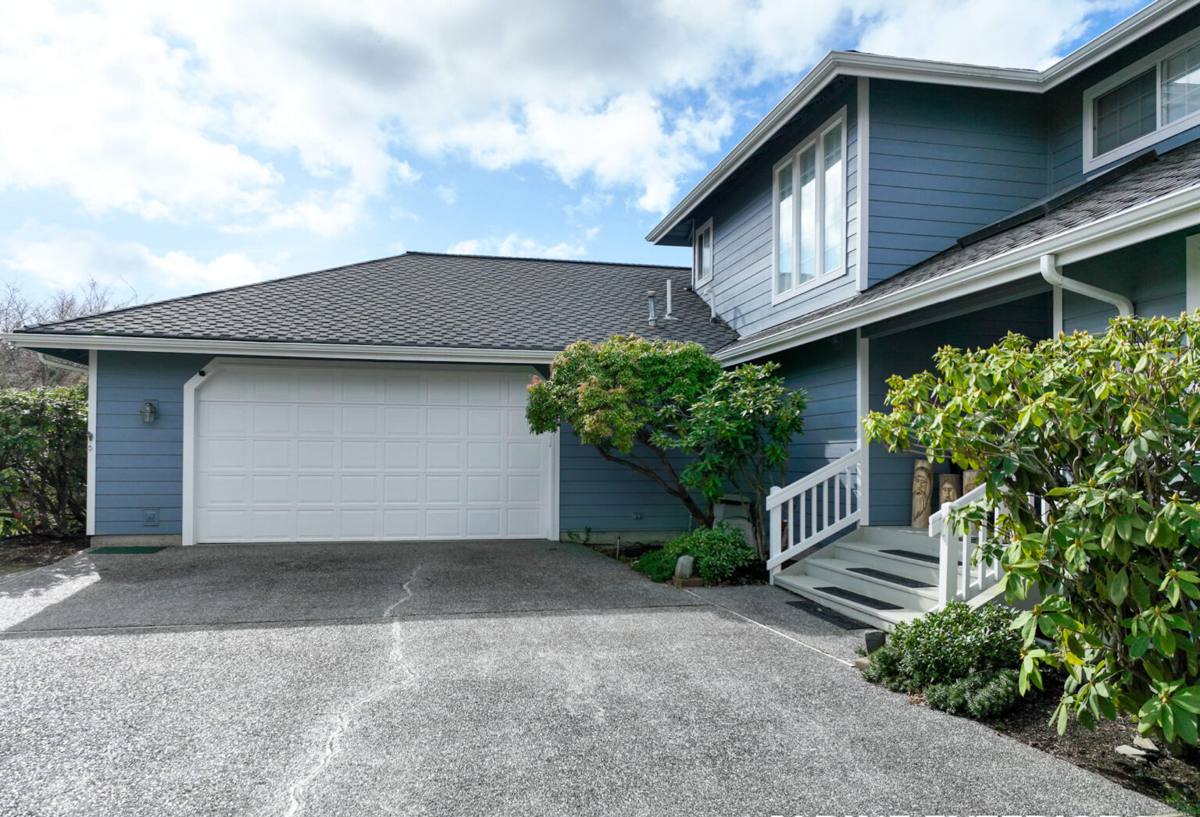
What Salt Air, Driving Rain, and a Long Moss Season Do to a Deck
Salt Air and Fastener Corrosion
Salt in the air doesn't just sit on the surface of a deck — it works into every metal connection holding the structure together. Standard galvanized fasteners and joist hangers can start showing surface rust within a few seasons this close to open water, and once corrosion reaches a structural connector, that connector is no longer doing its job at full strength even if the wood around it still looks fine. Lower-grade hardware is one of the most common reasons an otherwise decent-looking deck turns out to have real structural problems once someone actually inspects the connections.
Wind-Driven Rain and the Ledger Connection
Open water exposure means less windbreak, and less windbreak means rain gets pushed sideways into places it wouldn't reach on a calmer inland lot. The ledger board — the framing member that bolts the deck directly to the house — is the single most important place for this to matter. A ledger that isn't flashed correctly lets wind-driven rain track behind it and into the wall framing, which is exactly how a deck problem quietly becomes a siding and framing problem without anyone noticing until the damage is already extensive.
A Long Moss Season Underfoot
Shaded, damp stretches of the peninsula keep moss and algae active on horizontal surfaces for most of the year, and a deck surface is about as horizontal as it gets. Beyond the cosmetic issue, moss holds moisture against the decking material longer than open air would, which accelerates rot in lower-grade wood and turns the deck surface genuinely slick underfoot — a real fall hazard on stairs and near entry doors, not just an eyesore.
What a Correct Deck Replacement Actually Involves
Structural Framing, Beams, and Footings
Everything under the decking boards has to be sized and spaced for the actual loads and spans involved, not just built to whatever the old deck happened to have. Footings need to sit below frost depth and bear on solid, undisturbed soil, and posts need a proper standoff base that keeps end grain off wet concrete or damp ground rather than sitting directly on it. On a peninsula lot, we also pay closer attention to drainage around footings, since standing water at the base of a post is a slow, steady path to rot that isn't visible from the surface.
Ledger Flashing — the Detail That Matters Most
Given how much wind-driven rain this area sees, ledger flashing is the detail we spend the most care on. That means proper metal flashing integrated correctly with the house's water-resistive barrier, not just caulk smeared along the top edge and called done. Done right, water sheds off the wall and over the ledger connection instead of finding its way behind it. Done wrong — even by a crew that otherwise builds a decent-looking deck — it's one of the more common sources of hidden rot we find in the wall framing behind an older Lummi Nation deck.
Fastener and Hardware Selection for This Climate
We spec fasteners and structural connectors rated for corrosive, high-moisture exposure rather than defaulting to standard-grade galvanized hardware. That includes joist hangers, ledger bolts, and post bases, since those are the connections doing the actual structural work and the ones most costly to access again once the decking is installed over them. Paying more for the right hardware once, up front, is a lot cheaper than reopening a finished deck a few years later.
Choosing a Decking Material for a Lummi Nation Property
The decking surface itself is a real decision, and the right answer depends on how much upkeep you want to take on versus how much you're willing to pay up front. We install both wood and composite decking and will walk you through the honest trade-offs for your specific property rather than pushing whichever is easiest for us to install.
| Material | Upfront Cost | How It Handles This Climate |
|---|---|---|
| Pressure-treated lumber | Lowest | Needs regular sealing to resist moisture and moss; can check, splinter, and gray faster under sustained damp exposure without upkeep |
| Cedar | Moderate | Naturally rot-resistant when new, but that resistance fades over time and salt air, sun, and moss shorten the maintenance cycle compared to drier inland lots |
| Composite decking | Moderate to high | Doesn't absorb moisture into its core the way wood does, resists moss staining better, and needs little more than periodic cleaning |
Wood vs. Composite: The Honest Trade-Off
Wood decking costs less to install and has a warmer, more traditional look that some homeowners genuinely prefer, but it asks for real ongoing maintenance — cleaning, sealing, and periodic board replacement — to keep performing in a climate this wet. Composite decking costs more upfront and comes in a range of textures and colors, but it holds up to sustained moisture and moss exposure with far less homeowner effort over the life of the deck. Neither choice is wrong; it's a genuine trade-off between cost now and maintenance later, and we'll lay out both honestly for your specific situation rather than steering you toward the higher-margin option.
Not All Composite Boards Perform the Same
Within composite decking, there's a real difference between boards with a full protective cap around all four sides and boards that are only partially capped or left uncapped. Fully capped boards resist moisture absorption and staining at the cut ends and edges significantly better, which matters more on a property that sees this much sustained dampness. It's worth asking directly which type is being quoted rather than assuming all composite decking is built the same way.
Railings, Stairs, and Code Requirements
Railing height, baluster spacing, and stair geometry are governed by building code, not personal preference, and they matter even more on a deck that sees driving rain and occasional slick, mossy surfaces. Guardrails need to be a code-compliant height with baluster gaps narrow enough to prevent a fall-through hazard, and stair stringers need to be sized correctly for the run and load rather than reused from an old deck without re-checking the math. Permit and inspection requirements can also work a little differently depending on exactly where a property sits relative to reservation boundaries, so it's worth confirming which jurisdiction applies to your specific lot before work begins — we're glad to talk through what we know from past local projects, but every property should verify current requirements for itself.
Cost Factors for a Lummi Nation Deck Replacement
| Factor | What It Affects | Why It Matters Here |
|---|---|---|
| Tear-off vs. structural reuse | Labor scope and hidden damage discovery | Older decks on exposed lots often hide rot at the ledger or posts that only shows up once the old structure comes off |
| Decking material | Material cost and long-term upkeep | Wood costs less upfront but needs more maintenance to hold up against moss and moisture; composite costs more but needs less ongoing care |
| Ledger and framing condition | Repair costs before new decking goes on | Wind-driven rain finds poorly flashed ledgers first, and rot there has to be fixed before anything new is installed |
| Hardware and fastener spec | Material and labor cost | Corrosion-resistant hardware costs more than standard-grade but is worth it this close to open water |
| Size, height, and stairs | Labor time and structural complexity | Multi-level decks and elevated decks with stairs require more framing, footings, and code compliance work |
Every property is different, which is why we walk the site in person and give a real, itemized number rather than a generic estimate off a price sheet.
Signs Your Deck Needs Replacement, Not Just Repair
Not every aging deck needs a full rebuild. Isolated board damage or a single failed connection can sometimes be repaired. But certain signs point to a structural problem that a patch job won't actually fix.
- Soft, spongy, or spring-loaded decking boards, especially near the house or stairs
- Visible gaps, staining, or soft wood at the ledger board where the deck meets the house
- Rusted or corroded joist hangers, bolts, or post bases
- Posts that wobble or footings that have shifted or settled
- Persistent moss or algae that returns quickly after cleaning, especially on shaded sections
- Railings that flex more than they should under normal pressure
- A deck original to an older home that's never had its structural connections inspected
Our Deck Replacement Process
- An on-site walk-through to assess the existing structure, ledger condition, and any hidden moisture damage
- An honest recommendation on repair versus full replacement, explained in plain terms
- A written estimate covering framing, flashing, hardware, decking material, and railings — no vague allowances
- Correct ledger flashing and corrosion-resistant hardware throughout, not just on the parts that show
- A finished deck that's code-compliant, properly drained, and built for the exposure your property actually sees
Why a Local Crew Matters for Lummi Nation Decks
A crew that works this stretch of the Whatcom County coastline regularly knows how salt air, wind-driven rain, and a long moss season actually behave on real decks over a full year, not just how a product performs on a spec sheet. That experience shows up in specific decisions on build day: extra attention on the ledger flashing, hardware upgraded past standard grade without being asked, and drainage details around footings that a crew unfamiliar with this exposure might not think twice about. Lummi Nation's proximity to open water means its decks take a heavier version of what the rest of Ferndale deals with, and that difference is worth building for rather than ignoring.
If your Lummi Nation property needs a new deck, a professional opinion on whether an existing one is safe, or just a straight answer about what a correct rebuild involves, we're glad to take a look. Reach out using the form below to schedule a free, no-pressure estimate.