 Ferndale Exterior
 New Roof Installation for Lummi Nation Homes
A new roof is one of the few home improvements where the installation matters more than the material. Two roofs built with the same shingle can perform completely differently five years later depending on how the deck was prepped, how the flashing was detailed, and how the whole system was fastened for the wind and water it actually has to handle. On the Lummi Nation peninsula, west of Ferndale and right up against open water, that gap between "installed" and "installed correctly" shows up faster than almost anywhere else in Whatcom County.
Homes here deal with a heavier, more constant version of the marine exposure the rest of the county sees only occasionally: salt-laden air moving off Bellingham Bay and the Strait, driving rain that arrives sideways as often as it falls straight down, and a moss season that stays active across most of the year on shaded, north-facing slopes. We install new roofs on this peninsula on a regular basis, and our process is built around what that specific combination does to a roof system over its full lifespan, not just what a spec sheet says a shingle can handle in ideal conditions.
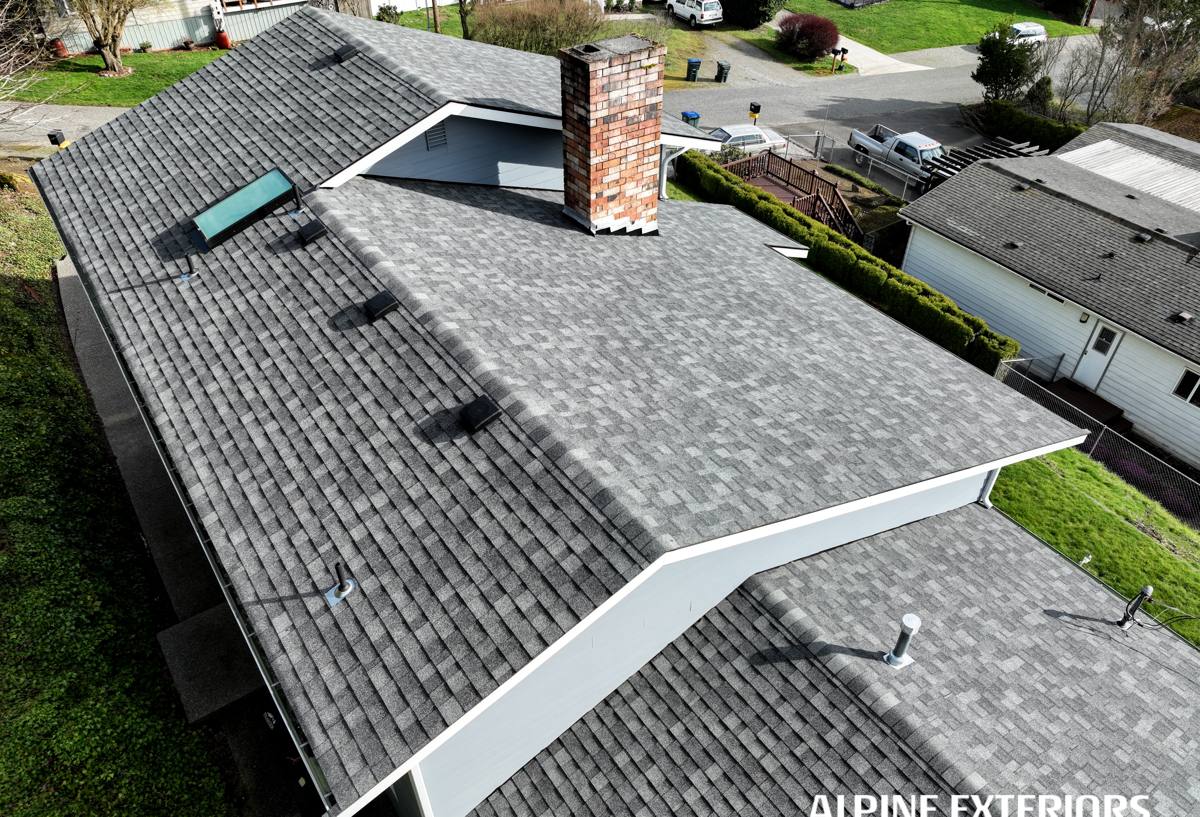
What Peninsula Exposure Does to a New Roof
Salt Air and Corrosion
The closer a home sits to open water, the more salt-laden moisture settles on every exposed surface, and Lummi Nation's location puts many roofs closer to that exposure than homes further inland. Salt accelerates corrosion in fasteners, flashing, and any exposed metal, and it breaks down lower-grade finishes faster than a drier climate would. A roof built with standard-grade hardware can show rust streaking and early fastener failure well ahead of schedule if the exposure wasn't accounted for during installation.
Wind-Driven Rain and Uplift Risk
Open water exposure means fewer windbreaks, and wind is what turns rain into a lateral problem instead of a vertical one. Driving rain gets pushed up under shingle tabs and into valleys, ridge lines, and penetrations, which is a tougher test than a simple rainfall total suggests. That same open exposure also means higher, more sustained wind loading during winter storm systems, which puts real stress on fastening patterns and shingle wind ratings that a sheltered inland roof rarely experiences.
A Long Moss and Mildew Season
Peninsula terrain, tree cover in places, and near-constant moisture add up to a moss and mildew season that runs longer here than in drier parts of the county. It typically shows up first on shaded and north-facing slopes, and it's not just cosmetic — sustained moss growth holds moisture against the roof surface and can work its way under shingle edges, which accelerates granule loss and, over time, deck rot underneath.
What a Correct New Roof Installation Involves Here
Tear-Off and Deck Inspection
A new roof installation should start with a full tear-off down to the deck, not an overlay on top of existing material. That's the only way to actually see the condition of the sheathing underneath — on a peninsula lot, long-term trapped moisture from a prior roof's flashing failures or a worn-out moss problem often means some deck repair is needed before new material goes down. Skipping that step just installs a new roof over an existing problem.
Underlayment System
Underlayment is the roof's real second line of defense once wind has pushed rain past the shingle surface. On an exposed peninsula lot, we favor synthetic and self-adhered underlayment products over older felt systems, particularly at eaves, valleys, and any low-slope transitions where wind-driven rain and ice tend to concentrate.
Flashing at Valleys, Penetrations, and Wall Intersections
Most roof leaks in this climate start at flashing, not in the open field of the roof. Valleys, chimneys, skylights, vent penetrations, and anywhere a roof meets a wall all need flashing detail that's built for lateral water intrusion, not just water running straight downhill. Corrosion-resistant flashing metal matters more here than on an inland roof, given the salt exposure.
Fastening Pattern and Wind Rating
A shingle's wind rating is only as good as the fastening pattern that puts it on the roof. Exposed peninsula lots often call for a tighter nailing pattern than the manufacturer's minimum spec, especially near ridges, hips, and edges where uplift concentrates first during a storm.
Ventilation
Proper intake and exhaust ventilation keeps the attic and deck dry from the inside, which matters as much as keeping rain out from the outside. Poor ventilation traps moisture that accelerates deck rot and gives moss and mildew an additional source of dampness to work with from underneath.
Choosing Roofing Materials for a Lummi Nation Home
Asphalt shingle roofing remains the right choice for most homes in this area when it's matched to the exposure correctly. The table below compares the material tiers we typically discuss with homeowners here.
| Material Option | Moss/Algae Resistance | Wind Performance | Best Fit |
|---|---|---|---|
| Standard architectural asphalt shingle | Moderate; needs regular cleaning | Good with proper fastening | Sheltered lots further from open water |
| Algae-resistant architectural shingle | Higher; copper or zinc granules resist growth | Good to high depending on wind rating | Shaded or north-facing peninsula roofs |
| Metal roofing | High; sheds moss more easily than shingle | Very high when properly installed | Fully exposed waterfront lots, higher budget |
We install algae-resistant asphalt shingle systems on most Lummi Nation homes because the moss and mildew season here is long enough to make that upgrade worth the modest added cost. Metal roofing is a legitimate option for homes with heavier wind exposure or owners planning to stay long-term, but it comes with a higher upfront investment and different installation requirements. We'll walk through which option fits your specific roof rather than defaulting to whichever is easiest to sell.
Our New Roof Installation Process
- In-person inspection and written estimate — we walk the roof, check the deck where accessible, and discuss material options before anything is quoted off a generic price sheet.
- Material selection — we help you weigh shingle grade, algae resistance, and wind rating against your budget and how exposed your specific roof plane is.
- Tear-off and deck inspection — full removal of the old roofing material, with any soft or rotted decking identified and addressed before new material goes down.
- Underlayment and flashing installation — synthetic or self-adhered underlayment and corrosion-resistant flashing at every valley, penetration, and wall intersection.
- Roofing material installation — shingles or metal panels installed with a fastening pattern matched to this site's wind exposure, not just the manufacturer's minimum.
- Ventilation check — intake and exhaust ventilation confirmed or upgraded as part of the same job.
- Cleanup and magnetic nail sweep — the property is cleared of debris and swept for stray fasteners before we consider the job finished.
- Final walkthrough — we go over the finished roof with you directly and answer any questions before closing out the job.
Signs Your Roof Needs Replacing, Not Just Repair
- Granule loss heavy enough that shingles look bald in patches, especially on sun- or wind-exposed slopes
- Moss or dark staining that returns quickly after cleaning, particularly on shaded or north-facing sections
- Curling, cracked, or missing shingles after a wind event
- Soft or spongy decking felt underfoot or visible sagging along a roof plane
- Daylight visible through the attic, or damp insulation after a storm
- Rusting or lifting flashing around chimneys, vents, or valleys
- A roof approaching or past its expected service life with recurring repair calls
Cost Factors for a New Roof Installation in Lummi Nation
| Factor | What It Affects | Why It Matters Here |
|---|---|---|
| Roof size and pitch | Material quantity and labor time | Steeper or larger roofs common on older peninsula homes add real labor hours |
| Deck condition | Repair costs before new material goes on | Long-term moisture and moss exposure make hidden deck damage more common here |
| Shingle grade and wind rating | Material cost and expected lifespan | Higher wind ratings and algae resistance matter more on an exposed waterfront lot |
| Underlayment system | Water intrusion resistance | Synthetic and self-adhered products handle wind-driven rain better than felt |
| Flashing scope | Valleys, chimneys, skylights, wall intersections | Most leaks in this climate start at flashing, not the open roof field |
| Site access | Labor time and equipment needs | Peninsula lots can have limited access or steeper grades around the home |
Exact pricing depends on the specific roof and its exposure, which is why we walk the property in person before giving a real number rather than estimating over the phone.
Why a Local Crew Matters for Lummi Nation Roofing
A crew that installs roofs on this specific stretch of Whatcom County regularly understands how salt air, wind-driven rain, and a long moss season behave on real peninsula homes across a full year, not just how a shingle performs on a manufacturer's spec sheet. That experience shows up in practical decisions on install day: where to tighten the fastening pattern beyond the minimum spec, which valleys and penetrations need extra flashing attention, and which roof planes need the moss-resistant upgrade most. Lummi Nation's proximity to open water means its roofs take a heavier version of the same conditions the rest of Ferndale deals with, and treating that difference seriously — instead of applying a one-size-fits-all approach built for a calmer inland site — is what keeps a new roof performing for its full expected lifespan instead of generating callbacks after the first hard winter storm.
What to Expect When You Call Us
- An in-person roof inspection, including a look at the deck and attic ventilation where accessible
- An honest recommendation on shingle grade, algae resistance, and wind rating for your specific roof plane and exposure
- A written, itemized estimate you can compare against any other bid
- Clear communication about scheduling around weather, since tear-off leaves a roof temporarily open to the elements
- No pressure to sign on the spot
If your Lummi Nation home needs a new roof, or you'd just like an honest second opinion on whether repair or full replacement makes more sense, we're glad to take a look. Reach out using the form below to schedule a free, no-pressure estimate.