 Ferndale Exterior
 Roofing for a Salt Air, Marine Climate
Homes in and around the Semiahmoo area near Ferndale sit close enough to saltwater that roofing materials and fasteners take a different kind of beating than they would further inland. Salt-laden air accelerates corrosion on exposed metal, driving rain off the water finds its way into any gap in flashing or underlayment, and the long, damp stretch of fall through spring gives moss and algae months to establish themselves on north-facing slopes and anywhere shade keeps a roof from drying out. None of this is unusual for Whatcom County, but it does mean a roof built to a generic national spec will wear faster here than the same roof built correctly for this climate.
A new roof installation in this area has to account for three things at once: wind-driven moisture working sideways under shingles and around penetrations, corrosion-resistant hardware that will still be doing its job in twenty years, and a roof system that sheds moss and algae growth instead of feeding it. Get those three right and everything else about the job — appearance, energy performance, resale value — tends to follow.
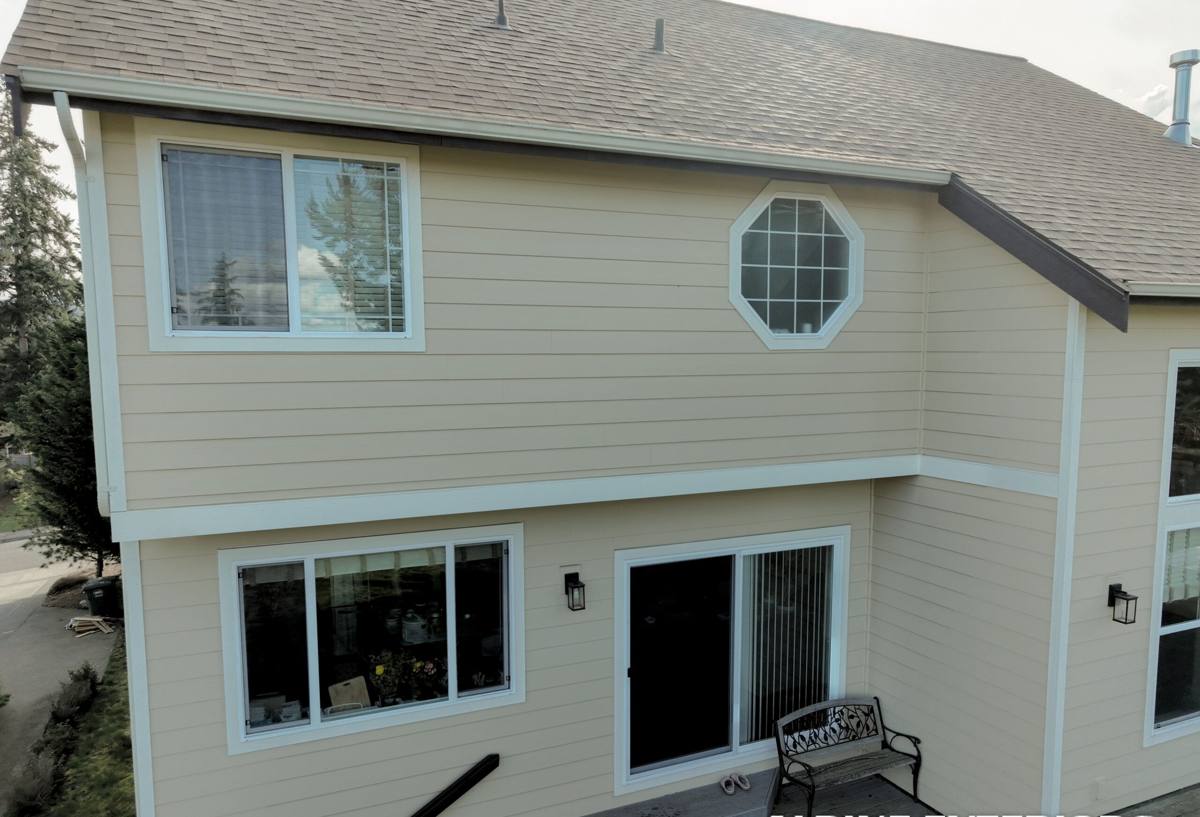
Signs a Roof Needs Replacement, Not Another Repair
Not every roofing issue calls for a full tear-off. But there's a point where patching stops making financial sense and starts throwing money at a roof that's already failing underneath. Homeowners in the Semiahmoo area typically reach that point when they see:
- Granule loss heavy enough that shingles look patchy or bald in sun-exposed areas
- Shingles that are cupping, curling at the edges, or cracking when touched
- Moss growth thick enough to lift shingle edges, not just discolor the surface
- Soft or spongy spots when walking the roof, which usually means the decking underneath has taken on water
- Staining or water marks on interior ceilings, especially after a heavy rain event
- A roof that's already had two or more repair visits for unrelated leaks in the same season
- A roof approaching or past the manufacturer's expected service life for its material
If a roof shows one or two of these, a repair may still be the right call. If it shows several, or if the decking is already compromised, replacement is usually the more honest recommendation — and we'll tell you that directly rather than sell a repair we don't think will hold.
What a Correct New Roof Installation Actually Involves
It starts below the shingles, not with them
The visible roofing material gets all the attention, but the layers underneath it do most of the work of keeping a Semiahmoo-area home dry. A correct installation includes a full tear-off to bare decking (not a layover on top of old material), an inspection and repair of any damaged or rotted sheathing, and a properly lapped underlayment system installed to shed water downhill at every seam.
Flashing is where most leaks actually start
Valleys, chimneys, skylights, vent pipes, and roof-to-wall transitions are where the vast majority of roof leaks originate — not the open field of shingles. Correct installation means new flashing at every one of these points, not reusing old flashing to save time. In a driving-rain climate, undersized or poorly lapped flashing is one of the most common reasons a "new" roof leaks within a year or two.
Ice-and-water protection in the right places
Even without heavy snow loads, self-adhering ice-and-water membrane belongs at eaves, valleys, and around penetrations in this climate, because wind-driven rain can push water uphill under standard felt in a way it can't under a sealed membrane. This is a small material cost that prevents a disproportionate number of callbacks.
Fasteners and hardware suited to salt exposure
In areas close to saltwater, we use corrosion-resistant fasteners and flashing metals rather than standard-grade hardware. It costs a little more up front and saves the roof from premature rust streaking and fastener failure later.
Choosing a Roofing Material for a Semiahmoo-Area Home
There's no single "best" roofing material — the right choice depends on the home's exposure, roof pitch, budget, and how much long-term maintenance the homeowner wants to take on. Here's how the common options compare for this specific climate:
| Material | Typical Lifespan | Performance in Salt Air & Moss Climate | Maintenance Level |
|---|---|---|---|
| Architectural asphalt shingle | 25–30 years | Good with algae-resistant granules; standard choice for most homes | Low to moderate |
| Standing-seam metal | 40–60 years | Excellent moisture shedding; needs corrosion-resistant fasteners and coatings near saltwater | Low |
| Wood shake/shingle | 20–30 years with upkeep | Attractive but holds moisture and moss more readily in a wet, shaded coastal climate | High |
| Synthetic/composite shingle | 30–50 years | Resists moisture and algae well; higher material cost | Low |
We steer most homeowners toward architectural asphalt or metal for this area — not because wood shake looks bad, but because in a climate with this much sustained moisture and shade, cedar demands a maintenance schedule (cleaning, treating, spot-replacing shakes) that most homeowners underestimate when they choose it. That's a maintenance-burden tradeoff we'll walk through honestly, not a knock on the material itself.
Our New Roof Installation Process
- On-site inspection and estimate. We walk the roof, check the decking condition where accessible, measure, and discuss material options based on the home's exposure and your budget.
- Written scope and material selection. You'll know exactly what's being installed, down to the underlayment and flashing details, before work starts.
- Permitting. Whatcom County and local jurisdictions require permits for roof replacement; we handle that paperwork rather than leaving it to the homeowner.
- Weather-aware scheduling. We plan tear-off days around forecasted dry windows so decking isn't exposed to rain any longer than necessary.
- Tear-off and deck inspection. Old material comes off down to bare sheathing; any soft or damaged decking is replaced before anything new goes down.
- Underlayment, ice-and-water membrane, and flashing installation. This is the part that determines whether the roof stays dry for the next 20-plus years.
- Roofing material installation. Installed to manufacturer spec and local code, with attention to nailing pattern, exposure, and ventilation details.
- Cleanup and magnetic sweep. Debris, old material, and stray fasteners are cleared from the property and landscaping.
- Final walk-through and warranty paperwork. We review the finished roof with you and provide documentation for both material and workmanship warranties.
Ventilation and Moisture Control Matter More Here
A roof that looks correct from the ground can still fail early from the inside if attic ventilation is wrong. In a marine climate with long stretches of humid, overcast weather, poor intake or exhaust ventilation lets warm, moist air condense against the underside of the decking. Over time that trapped moisture rots sheathing, feeds mold, and shortens the life of the roofing material from below — even though everything on the exterior looks fine.
Correct installation balances intake ventilation (typically at the eaves) with exhaust ventilation (ridge or roof vents) so air actually moves through the attic space instead of stagnating. We check and correct this as part of every replacement, not as an upsell — it's part of doing the job right the first time.
Moss and Algae: Managing a Long Wet Season
Moss doesn't just sit on a roof looking messy — its root structures work under shingle edges and hold moisture against the surface, which accelerates granule loss and can eventually lift shingles enough to let water in. Because this region's damp season runs long, a new roof needs a maintenance plan from day one, not just good materials.
Practical steps that make a real difference over the life of the roof:
- Install zinc or copper control strips near the ridge on shaded or moss-prone roofs, which release trace metal ions that inhibit moss growth as rain washes over them
- Keep gutters clear so water isn't sitting against the eaves and encouraging growth at the roof edge
- Trim back overhanging branches to reduce shade and debris buildup on north-facing slopes
- Choose algae-resistant shingle products for slopes with heavy shade exposure
- Schedule a periodic soft wash rather than pressure washing, which can strip granules and shorten shingle life
What Affects the Cost of a New Roof
Every roof is priced from an actual on-site inspection, but the factors that move the number up or down are consistent. This is the honest breakdown of what drives cost on a Semiahmoo-area home:
| Factor | Why It Affects Cost |
|---|---|
| Roof size and number of facets | More square footage and more valleys/hips mean more material and labor |
| Pitch and access | Steep or hard-to-access roofs require more safety setup and take longer to install |
| Number of existing layers | Tearing off multiple old layers costs more than a single-layer tear-off |
| Decking condition | Rotted or soft sheathing found during tear-off needs replacement before installation continues |
| Material choice | Asphalt, metal, and composite products carry different material and labor costs |
| Ventilation and flashing upgrades | Correcting inadequate venting or outdated flashing adds scope but prevents future failures |
| Permitting requirements | Local permit fees and inspection scheduling vary by jurisdiction |
Because so much of the true cost depends on what's found once the old roof comes off, we'd rather give you a realistic estimate after seeing the roof in person than a number that doesn't hold up once tear-off starts.
Why Hire a Crew That Already Works in This Area
A roofing crew that regularly works the Semiahmoo area around Ferndale already understands how the local combination of salt air, wind-driven rain, and shaded, moss-prone slopes affects material choices and installation details — knowledge that doesn't come from a spec sheet. That local experience shows up in small decisions: which flashing details to reinforce, where ventilation typically needs correcting on homes of this vintage, and which materials hold up versus which ones look good on day one and struggle by year five.
Before hiring anyone for a roof replacement, it's worth checking a few basics:
- Current Washington state contractor license and liability insurance
- A written estimate that specifies underlayment, flashing, and ventilation details — not just "shingles installed"
- Manufacturer certification for the specific product being installed, if warranty coverage depends on it
- A workmanship warranty separate from the manufacturer's material warranty
- Willingness to walk the roof with you and explain what they find during tear-off, good or bad
A roofer confident in their work will answer these questions without hesitation. One who deflects or rushes past them is worth a second look.
Ready for an Honest Look at Your Roof
If your roof in the Semiahmoo area is showing its age or you're just trying to plan ahead of the next wet season, we're happy to come take a look. The estimate is free, there's no pressure, and you'll get a straight answer about whether you're looking at a repair or a full replacement — use the form below to get started.