 Ferndale Exterior
 Why Siding Takes a Beating in Cordata
Homes in and around Cordata sit in a stretch of Whatcom County where the weather doesn't do anything by half measures. Cool, wet air moves in off the water for months at a stretch, wind-driven rain finds its way sideways into wall assemblies that would stay dry almost anywhere else, and shaded, north-facing walls stay damp long enough to grow moss and algae well past what most homeowners expect from "a little rain." Add in the salt content that rides in on the marine air common to this part of Whatcom County, and you've got a climate that quietly works against ordinary siding, fasteners, and trim year-round, not just during a big storm.
None of that means Cordata is an unusually harsh place to own a home. It means the siding has to be chosen and installed with this specific climate in mind, not treated as an afterthought once the framing is done. That's the whole premise of this page: what local homes actually need from their siding, what a correct installation looks like, and why it matters that the crew doing the work already knows this area.
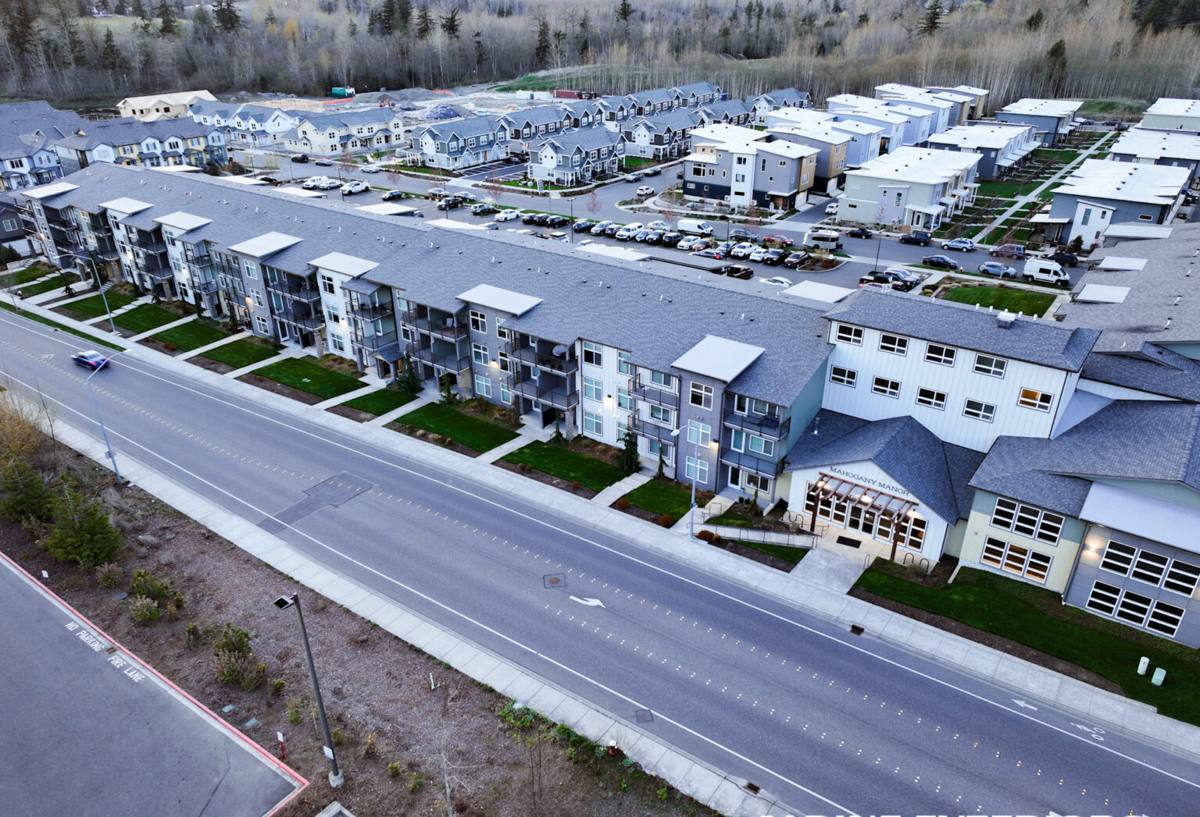
What Cordata Homes Need From Their Siding
Strip away the marketing language and every siding material is really being asked to do the same four jobs here: shed driving rain before it reaches the wall sheathing, resist moisture absorption in wood and trim, hold up against the slow corrosive effect of salt-laden air on fasteners and finishes, and resist moss and algae growth in shaded, low-airflow areas without needing constant scrubbing or repainting.
The Moss Problem Specifically
Moss doesn't damage siding by itself — the problem is what it holds against the wall. A mossy patch traps moisture against the surface long after the rest of the house has dried out, and that constant dampness is what eventually causes paint failure, swelling, or rot in materials that aren't built to handle it. A long moss season, which is normal for this part of Whatcom County, means siding here needs a finish and a substrate that don't depend on the homeowner catching the problem early.
Why We Install Only James Hardie Fiber Cement
We made a deliberate decision to install one siding system — James Hardie fiber cement — and to stop installing vinyl, LP SmartSide, Cemplank, Allura, primed spruce, and cedar. That's not a marketing position, it's a standard we hold ourselves to because of what we've seen these products do, and not do, in Pacific Northwest conditions over time.
Built for This Climate, Not Just Any Climate
James Hardie engineers its HZ5 product line specifically for climates with heavy, sustained moisture exposure, which is exactly what Whatcom County delivers. Fiber cement is non-combustible, doesn't absorb water the way wood-based products do, and holds its shape and fastener grip through repeated wet-dry cycles instead of swelling and shrinking. The factory-applied ColorPlus finish is baked on under controlled conditions, which means better fade and moisture resistance than field-applied paint, and a warranty that follows the product rather than depending on how well touch-up painting was maintained after installation.
What a Correct Siding Installation Actually Involves
The material only performs as well as the installation underneath it. Fiber cement siding installed with shortcuts will still fail early in a climate like this one, and the failures usually show up hidden behind the siding, not on the surface, which is exactly why they're expensive to catch late.
- A properly lapped weather-resistive barrier behind the siding, not just house wrap stapled up quickly
- Correct flashing at every window, door, and penetration, integrated with the barrier rather than caulked over it
- A starter strip and proper clearance from grade, roof lines, and decks so water has somewhere to go
- Fasteners placed and spaced to manufacturer specification, not just "close enough"
- Factory-cut ends and field cuts sealed before installation, not left raw
- Caulking limited to the joints the manufacturer specifies, not used to cover for gaps that shouldn't exist
Every one of those steps matters more in a climate that stays wet for long stretches of the year, because there's less margin for water that gets behind the cladding to dry out before it causes damage.
Our Installation Process
We run the same disciplined process on every Cordata-area home, and we don't skip steps to move faster.
1. Inspection and Moisture Check
Before any siding comes off, we look at the existing wall assembly for signs of trapped moisture, damaged sheathing, or prior repairs that were never addressed correctly. This is where problems that have been quietly building for years usually surface.
2. Tear-Off and Sheathing Review
Old siding comes off in a way that lets us actually see the sheathing underneath, not just glance at it. Any soft, delaminated, or moisture-damaged sheathing gets addressed before anything new goes on — installing new siding over a compromised substrate just hides the problem for a few more years.
3. Weather Barrier and Flashing
We install the weather-resistive barrier and flashing as a system, lapped correctly from the bottom up so water always has a path down and out, never a path in.
4. Siding Installation to HZ5 Spec
Hardie panels or lap siding go on to the manufacturer's specification for our climate zone — fastener pattern, clearances, and joint treatment included.
5. Trim, Caulk, and Final Walkthrough
Trim work and caulking are finished last, and we walk the whole exterior with the homeowner before calling the job done.
Comparing Siding Materials for This Climate
| Material | Moisture & Salt Air Resistance | Moss/Algae Resistance | Ongoing Maintenance |
|---|---|---|---|
| James Hardie Fiber Cement (HZ5) | Strong — engineered for wet marine climates | Good with factory finish; doesn't swell or rot if surface growth is left too long | Occasional wash; no repainting needed for many years |
| Vinyl Siding | Doesn't absorb water, but seams and fasteners can allow moisture behind the panel | Surface growth washes off, but trapped moisture behind panels goes unseen | Low, but panels can warp or crack over time |
| Wood / Primed Spruce / Cedar | Absorbs moisture; performance depends heavily on maintenance | Prone to sustained moss and mildew in shaded, damp areas | Regular repainting/sealing required |
| LP SmartSide / Engineered Wood | Better than raw wood but still moisture-sensitive at cut edges and seams | Can hold moss longer than fiber cement in persistently shaded areas | Field-applied finish requires periodic upkeep |
What Drives the Cost of Siding Installation Here
Every Cordata-area home is a little different, but the same handful of factors decide where a project lands in the range.
| Cost Factor | Why It Matters |
|---|---|
| Home size and number of stories | More surface area and taller walls mean more material, labor, and access equipment |
| Condition of existing sheathing | Moisture-damaged sheathing found during tear-off needs repair before new siding goes on |
| Trim complexity | Dormers, gables, and multiple roof lines add cutting, flashing, and labor time |
| Product line and color selection | HZ5 panel vs. lap profile and ColorPlus color choice affect material cost |
| Site access | Tight lots, landscaping, or limited staging area can add time to tear-off and cleanup |
We walk every home in person before giving a number, because guessing at these factors from a photo or a phone call almost always produces an estimate that doesn't hold up once the old siding comes off.
Maintaining Hardie Siding After Installation
Correctly installed fiber cement siding is low-maintenance, not no-maintenance. A short annual routine keeps it performing the way it's designed to in this climate.
- Rinse the exterior once or twice a year, focusing on shaded and north-facing walls where moss and grime build up fastest
- Check caulking at trim and joints annually and reseal if it's cracked or pulling away
- Keep gutters clear so overflow doesn't run down the siding and stay trapped in one spot
- Trim back landscaping that keeps a section of wall shaded and damp longer than the rest of the house
- Address any impact damage or exposed cut ends promptly rather than letting them sit through a wet season
Why Local Experience in Cordata Matters
Siding installation isn't identical from town to town, even within the same county. A crew that already works in the Cordata area has a working sense of which walls tend to hold moisture longest, how quickly salt-laden air corrodes exposed fasteners and trim if the wrong hardware is used, and what the older housing stock in this area was originally built with — all of which shapes decisions made during tear-off and installation that a crew unfamiliar with the area might miss or handle differently. That local familiarity doesn't replace a careful on-site inspection of your specific home, but it does mean fewer surprises and fewer assumptions that turn out to be wrong once the old siding is off the wall.
If your Cordata-area home needs new siding, or you're weighing whether your current siding is holding up the way it should against this climate, we're happy to take a look and walk you through what we find — no pressure, no obligation. Use the form below to request a free estimate.