 Ferndale Exterior
 Siding Repair in Fairhaven: A Different Job Than New Construction
Repairing siding is not a smaller version of installing it. It's a different skill set entirely. A repair crew has to figure out why a section failed in the first place, check what's happening behind the wall before touching what's visible on it, and then tie new material into an existing wall so the patch performs as well as the rest of the house, not just looks close enough from the sidewalk. In Fairhaven, that job comes with a specific set of pressures: salt-tinged air drifting off Bellingham Bay, rain that gets driven sideways by wind more often than it falls straight down, and a moss season that can run most of the year on shaded, tree-covered lots. We work throughout Whatcom County, and Fairhaven's combination of coastal exposure and older housing stock is exactly where we see siding repair calls come in earliest and most often.
This page is specifically about repair, not full replacement or new installation. If a section of your siding has failed, cracked, or started letting water in, this is what we look for, what a correct fix actually involves, and how we decide whether a repair is the right call versus a bigger project.
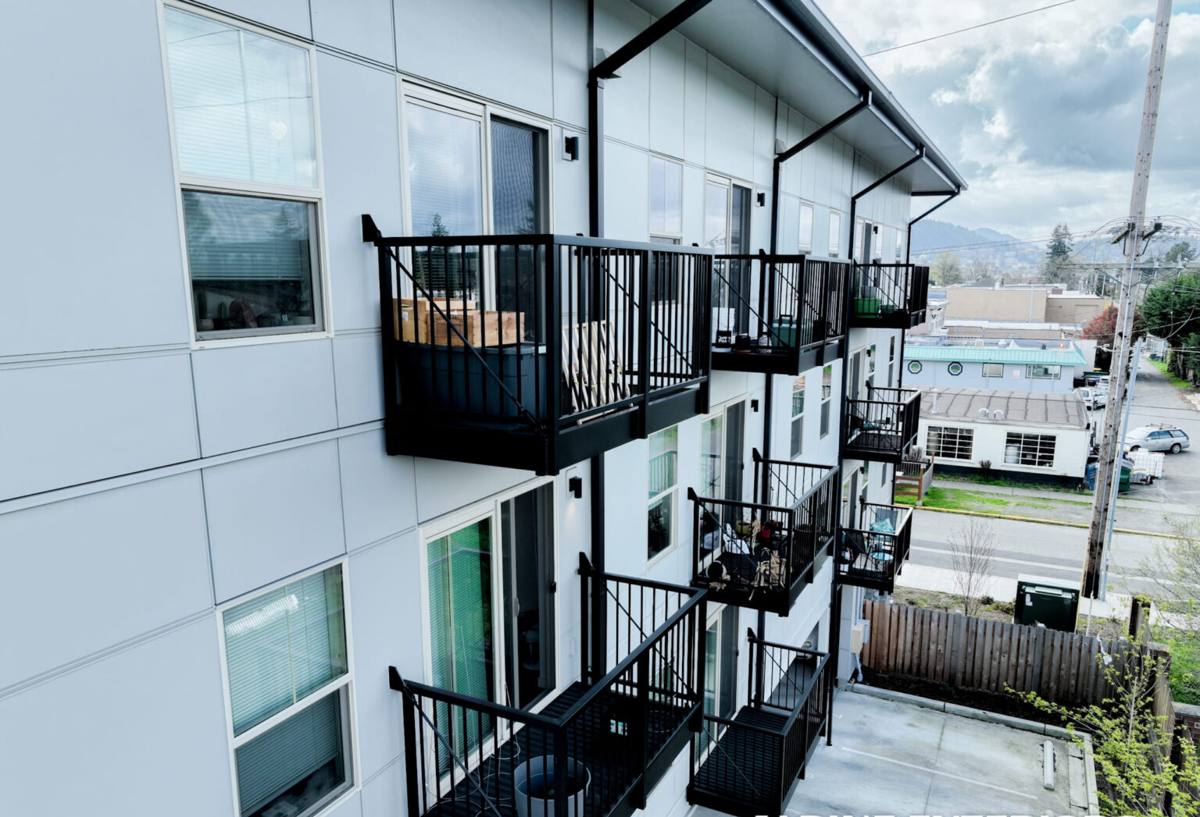
What Bellingham Bay Does to Siding Over Time
Salt Air and Slow Fastener Wear
Homes close to the bay sit in a steady drift of moisture-laden, mildly corrosive air, not just during storms but as a background condition most of the year. That kind of exposure works slowly on nail heads, flashing, and caulking. It's rarely dramatic. It shows up later as rust streaking below a fastener, a bead of caulk that's shrunk and pulled away from a joint, or a finish that's chalked out well ahead of schedule. By the time it's visible, the underlying material has usually been dealing with it for a while.
Wind-Driven Rain at Seams and Penetrations
Fairhaven's position near open water means storms don't just drop rain, they push it sideways. Wind-driven rain finds its way into lap joints, trim seams, and anywhere a pipe, vent, or fixture penetrates the wall, often from angles a standard installation wasn't detailed to handle. This is one of the most common root causes behind a "small" siding repair call that turns out to be about water intrusion rather than the visible crack or gap that prompted the call in the first place.
A Long Moss and Mildew Season
Mild temperatures, consistent dampness, and mature tree cover common in Fairhaven's older residential blocks add up to extended moss and mildew growth, especially on north-facing walls that don't get much direct sun to dry them out. Moss holds moisture against a wall far longer than open air would, and on porous or aging siding materials, that sustained dampness is what eventually leads to soft spots, staining, and the kind of localized failure that calls for a repair.
Common Siding Repair Calls We See in Fairhaven
Not every repair call looks the same, and the right fix depends on what's actually causing the problem, not just what's visible. The scenarios we see most often in this neighborhood include:
- Impact damage from storm debris, a fallen branch, or an accidental knock that's cracked or knocked loose a section of siding.
- Failed caulking or sealant at trim joints, corners, and window and door surrounds, letting water track behind the wall.
- Soft or deteriorating siding near the base of the wall, often from splashback, poor grading, or a sprinkler system that's been hitting the same spot for years.
- Trim or fascia that's pulled away from the wall, usually from fastener corrosion or wood movement behind it.
- Window and door flashing failures that show up as staining or soft siding around the opening, even though the siding itself isn't the actual source of the problem.
- Older siding materials reaching end of life, where the visible damage is really the first sign of a wider issue rather than an isolated spot.
Some of these are genuinely quick, contained fixes. Others look small on the surface but point to a bigger issue behind the wall. Telling the difference is the first and most important part of the job.
Why We Only Repair and Install James Hardie Fiber Cement
We standardized on James Hardie siding for new installations, and that shapes how we approach repair work too. Hardie's factory-applied ColorPlus finish, non-combustible fiber cement core, and climate-engineered HZ product lines are built to hold up in exactly the kind of sustained coastal moisture Fairhaven deals with, and a repair patch cut from the same product line matches both the performance and the appearance of the surrounding wall far better than a mismatched material would. When we repair a Hardie wall, we're tying new material into a system we understand completely, down to the fastening pattern and joint detailing it was originally installed with.
What This Means If Your Home Has a Different Siding Material
Plenty of Fairhaven homes are sided in something other than James Hardie, including vinyl, LP SmartSide, cedar, or primed spruce. We're upfront about the fact that we don't stock or install those materials, which affects how a spot repair on an existing non-Hardie wall gets handled. In some cases a localized fix is still possible with material sourced to match. In others, especially where the existing siding is aging engineered wood or cedar that's already showing broader wear, a single repaired section can end up looking and performing differently than the rest of the wall within a few years, which is worth knowing about before deciding on a patch versus a longer-term plan.
What a Correct Siding Repair Actually Involves
Diagnosing the Real Cause Before Patching
The most common mistake in siding repair is fixing what's visible without figuring out what caused it. A cracked board, a soft spot, or a stained patch is usually a symptom. Before we cut into anything, we're checking the flashing, house wrap, and framing behind the damaged area to understand whether the wall's water-management system failed somewhere upstream. Patching over an active leak just delays the real problem and often makes it more expensive to fix later, once it's spread further behind the wall.
Matching Color and Profile
James Hardie's ColorPlus finish is applied and cured at the factory, which means an exact color match depends on sourcing the same product line and, where possible, a close production run, especially on siding that's had years of UV exposure and has faded slightly from its original shade. We're straightforward with homeowners about what kind of match is realistic on an older wall versus a newer one, rather than promising a seamless blend we can't actually deliver.
Sealing and Flashing Details That Get Skipped
A repair that looks right from the ground can still fail within a season or two if the joint isn't sealed and flashed correctly. Proper clearance from grade, correctly lapped seams, and sealant applied where it's actually needed rather than as a blanket fix are what separate a repair that lasts from one that becomes a repeat callback. We treat this detail with the same seriousness on a single-board repair as we would on a full wall.
Repair Versus Replacement: How We Make the Call
Not every siding problem in Fairhaven needs a full tear-off, and not every problem should be treated as a quick patch. The honest answer depends on how contained the damage is and what's happening behind the wall.
| Situation | Usually Points To | Why |
|---|---|---|
| Isolated impact damage, one or two boards | Repair | Damage is contained, framing and sheathing behind it are typically unaffected |
| Failed caulking or trim seams with no soft sheathing | Repair | Water intrusion caught early, before it's tracked into the wall assembly |
| Soft or spongy siding across multiple sections | Deeper inspection, possible partial replacement | Often signals sustained moisture behind the wall, not a one-time event |
| Siding is an older material at the end of its service life | Replacement | A patch on failing material buys limited time and rarely matches well |
| Rot or staining found behind the siding during inspection | Replacement of affected section, sometimes wider | Framing and sheathing damage has to be addressed before new siding goes back on |
We'll walk the property, tell you plainly which category your situation falls into, and explain why, rather than defaulting to the bigger job.
Our Siding Repair Process, Start to Finish
- Inspect the damaged area and the wall assembly behind it, not just the visible surface
- Identify the root cause, whether that's fastener failure, flashing, seam separation, or moisture that's been tracking in for longer than it looks
- Check adjacent sheathing and framing for hidden damage before scoping the repair
- Provide a straight explanation of what's needed and why, in plain terms
- Source matched James Hardie material where the existing siding is Hardie, or explain the realistic options where it isn't
- Repair with correct fastening, lapping, and sealing, not just a cosmetic patch
- Confirm the repaired section is properly integrated with the surrounding water-management details before calling the job done
Signs a Fairhaven Home May Need Siding Repair Now
- A section of siding that's cracked, split, or dented from an impact
- Soft or spongy siding, especially near the base of the wall or around window and door trim
- Gaps at seams, corners, or trim joints where daylight or water can get through
- Caulking that's cracked, shrunk, or pulled away from a joint
- Rust staining below a fastener or along a flashing line
- Moss or dark staining that keeps returning quickly after cleaning, particularly on shaded walls
- A noticeable draft or a rise in heating bills that might trace back to a compromised wall assembly
What to Check Before Hiring Anyone for Siding Repair
Repair work gets rushed more often than new installation, partly because it's treated as a small job. It shouldn't be.
- Confirm an active Washington state contractor license and current insurance
- Ask whether they'll inspect behind the damaged area, not just patch what's visible
- Ask how they source matching material for the siding brand already on your home
- Ask what happens if they find rot or hidden moisture damage once they open the wall
- Get a written scope that specifies the repair method, not just "siding repair" as a line item
Why a Crew That Already Works Fairhaven Matters
A crew that repairs siding in this part of Whatcom County regularly knows which wall orientations in Fairhaven stay damp longest, where wind-driven rain from the bay tends to find its way in, and which older siding materials in the neighborhood are approaching the point where a repair stops making sense. That kind of familiarity shortens the diagnostic part of the job and means fewer surprises once a wall is opened up. Fairhaven's proximity to open water and its mix of older, established housing stock aren't identical to conditions elsewhere in Bellingham, and a crew with real repair experience specifically here accounts for that instead of treating every siding problem the same way.
If you've got a section of siding that's cracked, soft, or just not sitting right, we're glad to take a look and give you a straight answer about what it actually needs. Reach out using the form below to schedule a free, no-pressure estimate.