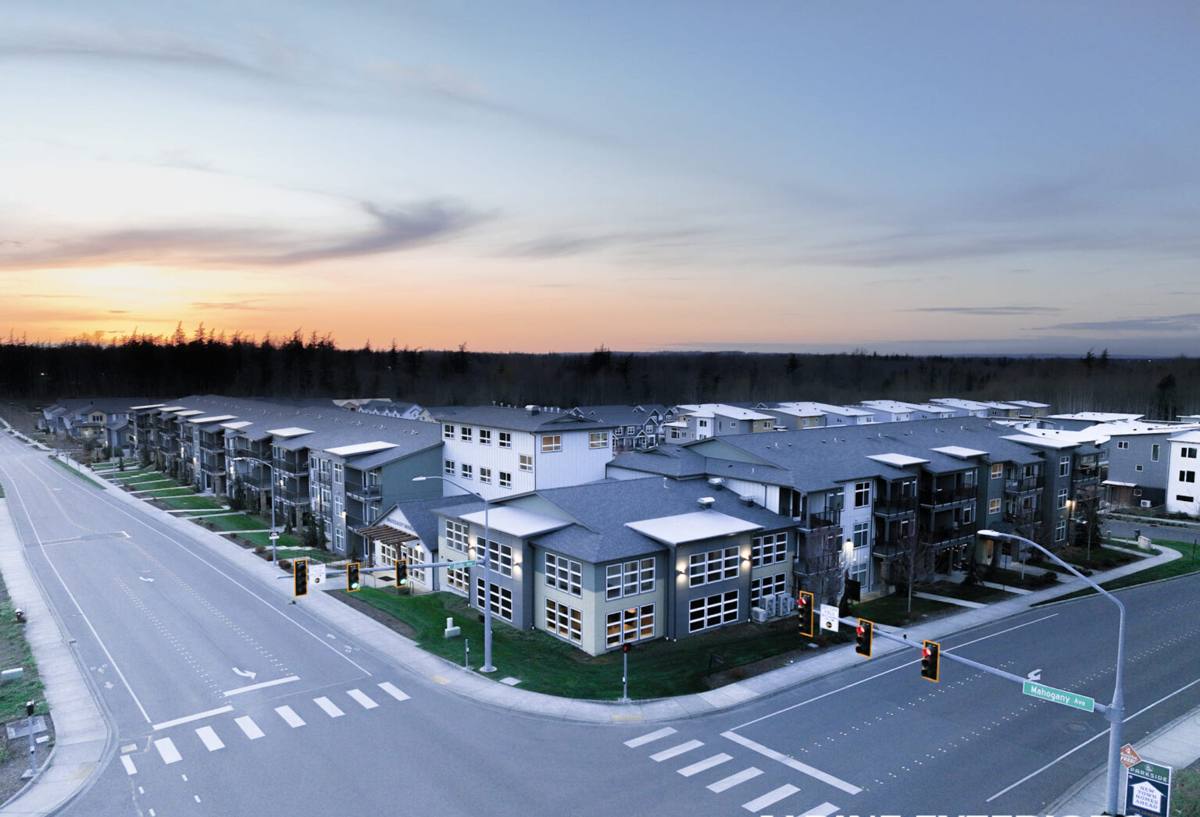
 Ferndale Exterior
 Roof Replacement Built for Sudden Valley's Climate
Homes in and around Sudden Valley sit in a stretch of Whatcom County that takes a specific kind of beating year after year. Salt-tinged air moving off the water corrodes exposed metal faster than it would further inland. Driving rain off the Strait doesn't just fall straight down — it gets pushed sideways under poorly lapped shingles and around weak flashing. And with a long, wet moss season that can run from fall clear through spring, roofs here spend more months damp than dry. A roof replacement in this area isn't just about swapping old shingles for new ones. It's about building a roof system that's matched to what Ferndale weather actually does to a house, not just what a generic install manual assumes.
We work on homes throughout the Sudden Valley area regularly, which means we're not learning the terrain, the typical roof pitches, or the local permitting expectations on your job. We already know them.
Why Roofs Age Faster Here Than the Brochure Says
Salt Air and Metal Components
Nails, flashing, vent boots, and drip edge all contain metal, and metal near the coast corrodes at a different rate than the same product installed fifty miles inland. Cheaper fasteners and bare galvanized flashing show rust and pitting years before a comparable roof would in a dry inland climate. This is one of the most overlooked reasons a "20-year roof" doesn't make it to 20 years out here.
Driving Rain and Wind-Driven Water
Whatcom County storms frequently bring rain at an angle, not straight down. That matters because standard shingle overlap is designed to shed vertical water. Wind-driven rain finds gaps at ridge caps, valleys, and around penetrations that would never leak in a calmer climate. Underlayment choice and flashing detail work carry more weight here than they do in drier regions.
Moss, Shade, and Moisture Retention
Tree cover is common around Sudden Valley, and shaded roof sections stay damp long after sunnier sections have dried out. Moss doesn't just look bad — its root structure lifts shingle edges, holds water against the roof deck, and accelerates granule loss. A roof that isn't detailed with moss resistance in mind will need moss treatment or premature repair within a few years, even if the shingles themselves are rated for decades.
Signs Your Roof Needs Replacement, Not Another Repair
- Granules collecting in gutters or at downspout outlets, especially after a rain
- Shingles that are cupping, curling at the edges, or visibly brittle
- Moss growth that returns within a season or two of cleaning
- Soft or spongy spots when walked on, which usually mean deck damage underneath
- Daylight visible through the attic roof boards, or water stains on interior ceilings
- A roof approaching or past 20–25 years old, regardless of appearance
- Repeated patch repairs in the same area over the last few years
If you're seeing two or more of these, a replacement usually costs less over five years than continuing to patch.
What a Correct Roof Replacement Actually Involves
Full Tear-Off, Not a Layover
We remove the existing roofing down to the deck rather than installing new shingles over old ones. Layovers hide deck problems, trap moisture, and shorten the life of the new roof — and in a climate that already stresses roofs harder than average, starting clean matters more, not less.
Deck Inspection and Repair
Once the old roofing is off, we inspect the sheathing for soft spots, delamination, or rot, particularly around valleys, chimneys, and any area that's had a slow leak. Damaged sections get replaced before anything new goes down. Skipping this step is the single most common reason a "new roof" starts failing early.
Underlayment Matched to Local Weather
Given how much wind-driven rain this area sees, we use synthetic underlayment with ice-and-water shield reinforcement at eaves, valleys, and penetrations — the spots where wind-driven rain and ice most often force their way in.
Flashing and Penetration Detail
Chimneys, skylights, plumbing vents, and roof-to-wall junctions are where most leaks actually start, not in the open field of shingles. We use corrosion-resistant flashing and proper step-and-counter-flashing techniques rather than relying on caulk or sealant as a primary barrier — caulk fails; correctly lapped metal doesn't.
Ventilation
Balanced intake and exhaust ventilation keeps the attic temperature and moisture level in check, which reduces condensation buildup during our wet stretches and helps shingles last their full rated life. A roof can be installed perfectly and still underperform if the attic underneath it isn't breathing correctly.
Comparing Roofing Materials for This Climate
| Material | Typical Lifespan Here | Moss/Moisture Behavior | Relative Cost | Best Fit |
|---|---|---|---|---|
| 3-Tab Asphalt Shingle | 15–20 years | More prone to early moss lift and granule loss | Lowest | Budget-driven replacements, rentals |
| Architectural (Dimensional) Shingle | 25–30 years | Better moisture shedding, holds up well with proper ventilation | Moderate | Most Sudden Valley homes |
| Metal Roofing | 40–50+ years | Sheds moss and water very well; needs coastal-rated fasteners near salt air | Higher upfront | Long-term owners, steep or shaded roofs |
| Synthetic/Composite Shingle | 30–40 years | Good moisture resistance, consistent performance in shade | Higher | Homes wanting shake or slate appearance without the maintenance |
There's no universally "best" material — the right choice depends on your roof's pitch, how much shade it gets, how long you plan to stay in the home, and your budget. We'll walk through these trade-offs honestly rather than steering you toward whatever has the highest margin.
Our Process on a Sudden Valley Job
1. On-Site Assessment
We inspect the existing roof, attic ventilation, and any problem areas you've noticed, and give you a straightforward read on repair-versus-replace.
2. Written Scope and Material Selection
You get a clear, itemized scope — tear-off, deck repair allowance, underlayment type, flashing plan, ventilation work, and material — so there are no surprise change orders mid-project.
3. Site and Landscape Protection
Given the tree cover common in this area, we take care to protect landscaping, driveways, and gutters during tear-off and disposal, and we do a magnetic nail sweep before we leave.
4. Installation and Daily Cleanup
Most residential replacements complete in one to a few days depending on size and roof complexity. We keep the site cleaned up at the end of each day rather than leaving a torn-open roof exposed overnight when it can be avoided.
5. Final Walkthrough
We walk the finished roof with you, confirm ventilation and flashing details, and go over warranty coverage on both materials and labor before we consider the job done.
Permits and HOA Considerations
Roof replacements in Whatcom County typically require a building permit, and we handle that as part of the job rather than leaving it to the homeowner. If your property is part of an HOA or community association with design guidelines — as some Sudden Valley-area properties are — it's worth confirming any color or material approval requirements before work begins. We're happy to help you track down what applies to your specific address.
Why a Crew That Already Works Sudden Valley Makes a Difference
Roofing crews unfamiliar with this specific area tend to underestimate two things: how much moisture the shaded, tree-heavy lots hold onto, and how aggressively salt air near the coast attacks unprotected metal. A crew that works this neighborhood regularly builds those lessons into every detail — fastener choice, flashing material, underlayment placement — instead of applying a one-size-fits-all install. Local familiarity also means faster response if a storm causes damage between now and your scheduled replacement, and a better sense of realistic timelines given seasonal weather windows.
Questions Worth Asking Before You Hire
- Is the quote a full tear-off, or does it allow for installing over existing layers?
- What's included for deck repair if rot is found once the old roofing is removed?
- What underlayment and ice-and-water shield are specified, and where will they be used?
- Are attic ventilation upgrades included, or only the shingles themselves?
- What's covered under the material warranty versus the workmanship warranty, and for how long?
- Who pulls the building permit — the contractor or the homeowner?
A contractor who answers these clearly and in writing, before any money changes hands, is a good sign. Vague answers usually mean vague work.
If your Sudden Valley-area roof is showing its age or you just want an honest opinion on repair versus replacement, we're glad to take a look. Request a free, no-pressure estimate using the form below and we'll walk the roof with you and lay out your options plainly.