 Ferndale Exterior
 Roofing in Custer: A Different Climate Than Most Contractors Plan For
Custer sits close enough to the water and open farmland that its roofs take a different kind of beating than roofs even a few miles inland. Salt-laden air moves in off the Strait, wind-driven rain comes sideways instead of straight down during winter storms, and the shaded, damp stretches of the year give moss and algae months at a time to get established. An asphalt shingle roof that would hold up fine in a drier, more sheltered part of Whatcom County can wear out early here if it wasn't installed with this specific exposure in mind.
That's the difference between a roof that's "installed to code" and one that's actually built for Custer. Both might look the same on the day the crew drives away. Ten years later, they won't.
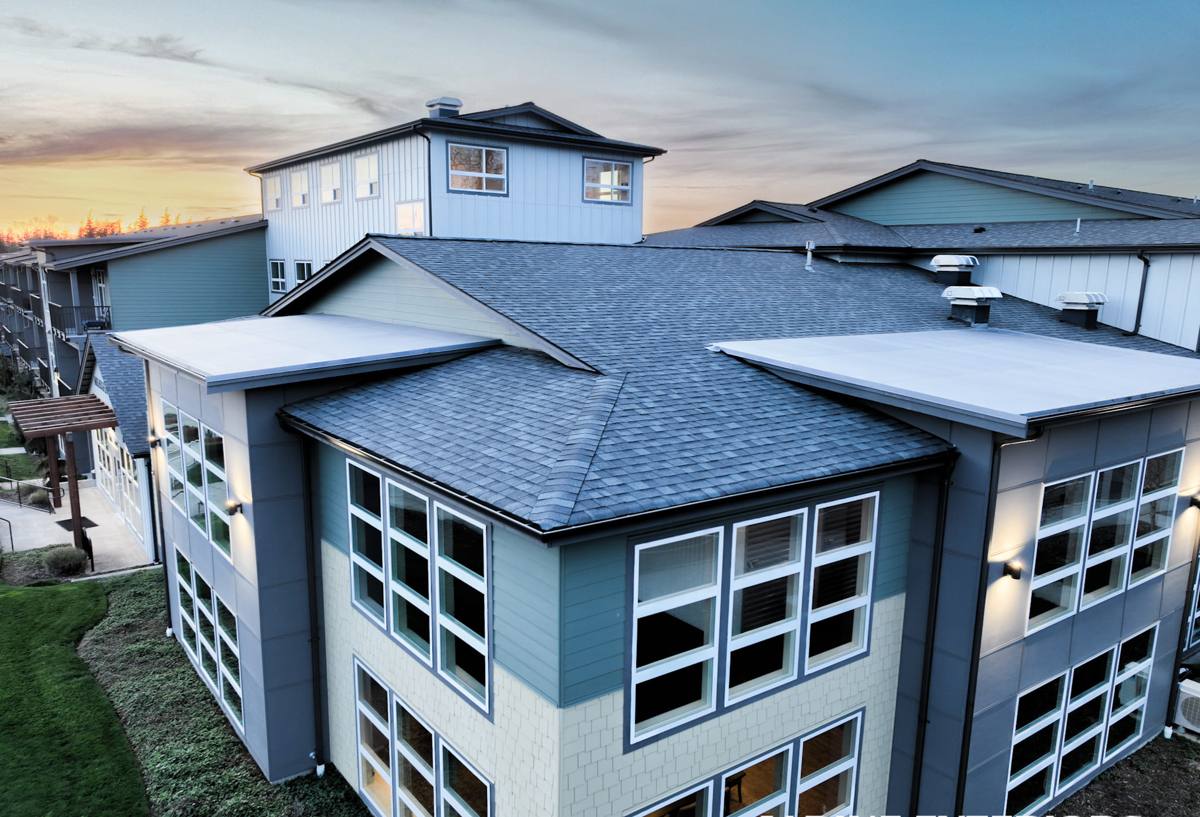
What Custer's Climate Actually Does to a Shingle Roof
Before talking about the fix, it's worth being specific about the problem. Three conditions do most of the damage:
Salt Air and Metal Corrosion
Salt in the air accelerates corrosion on anything metal on the roof — nails, flashing, vent boots, valley metal. When those components corrode faster than the shingles around them wear out, you get leaks at the flashing points long before the shingles themselves are due for replacement. This is one of the most common preventable failure points we see on homes in this area.
Driving Rain and Wind-Uplift
Rain that comes in at an angle finds its way under shingles that are merely nailed down "to spec" but not sealed and fastened for wind-driven wet conditions. Combined with the gusty weather that comes through open country around Custer, a roof needs proper nailing patterns, sealed tabs, and correctly lapped underlayment — not just shingles laid in a straight line.
Moss, Algae, and Prolonged Moisture
Whatcom County's long wet season, shaded roof sections, and moderate temperatures are close to ideal growing conditions for moss and algae. Left alone, moss lifts shingle edges, holds water against the roof deck, and shortens the life of the roofing system significantly. This isn't cosmetic — it's a structural moisture problem that develops slowly and is easy to ignore until it isn't.
What a Correctly Installed Roof Needs to Handle This
A shingle roof built to actually perform in Custer's conditions includes a few things that get skipped on cheaper or rushed jobs:
- Corrosion-resistant fasteners and flashing metal, not standard-grade materials that were fine for a drier climate
- A synthetic or fully-adhered underlayment that handles wind-driven rain, not just basic felt
- Proper valley and flashing details at every roof-to-wall and roof-to-chimney transition
- Correct nailing pattern and shingle sealing for wind exposure, not just manufacturer minimums
- Balanced intake and exhaust ventilation to keep the underside of the deck dry and reduce moss-friendly moisture buildup
- Ice-and-water shield at eaves and valleys, where wind-driven rain and debris collect
None of this is exotic. It's standard good practice — but it only gets applied consistently when the crew doing the work has actually dealt with this specific combination of salt, wind, and moss before.
Our Installation Process
The steps are straightforward, but the details inside each step are where quality is won or lost.
- Roof and deck inspection — we check for soft spots, rot, and prior water damage before anything gets covered up. Any deck repair happens before new roofing goes down, not after.
- Tear-off — old shingles, old flashing, and old underlayment come off completely. We don't layer new shingles over old ones; it traps moisture and shortens the life of everything above it.
- Underlayment and ice-and-water shield — installed at eaves, valleys, and any low-slope transitions, sized for this area's rain exposure.
- Flashing — new corrosion-resistant flashing at chimneys, walls, skylights, and valleys.
- Shingle installation — correct exposure, nailing pattern, and sealing for wind uplift resistance.
- Ventilation check and correction — intake and exhaust balanced so the attic and deck can actually dry out between wet spells.
- Final walk-through — we go over what was done, what to expect over the first year, and basic maintenance so there are no surprises.
Repair or Full Replacement? How We Actually Decide
Not every roof in Custer needs to be torn off. A lot of the calls we get are homeowners who assume a leak means a new roof, when it's really a flashing or ventilation issue. We look at three things before recommending either path:
Age and remaining shingle life
If the shingles are past their realistic service life for this climate, patch repairs are a short-term fix at best. If they're mid-life and the damage is isolated, targeted repair makes more sense.
Where the damage is concentrated
Isolated flashing failures, a damaged valley, or wind-lifted shingles in one section are usually repairable. Widespread granule loss, curling shingles across the whole roof, or soft decking in multiple spots point toward replacement.
What's underneath
If the deck has taken on water damage in more than a small area, that changes the math — repairing shingles over a compromised deck just delays the real problem. We're upfront about this either way, even when replacement is the more expensive answer for the homeowner.
Choosing a Shingle for This Climate
Not all asphalt shingles perform the same way in a coastal, high-moisture, wind-exposed setting. Here's how the common options compare for a Custer home specifically:
| Shingle Type | Wind Performance | Moss/Algae Resistance | Best Fit |
|---|---|---|---|
| 3-tab (standard) | Lower wind rating, more prone to lifting | No built-in resistance | Budget-driven projects with lower wind exposure |
| Architectural / laminated | Higher wind rating, better fastening surface | Available with algae-resistant granules | Most Custer homes — best balance of durability and cost |
| Impact-resistant architectural | Highest wind and debris resistance | Available with algae-resistant granules | Exposed sites, homes with more tree debris or storm exposure |
For most properties in this area, an architectural shingle with algae-resistant (copper- or zinc-infused) granules is the practical middle ground — meaningfully better wind and moisture performance than a basic 3-tab, without paying for impact resistance most homes don't need.
Keeping Moss and Algae From Taking Over
Shingle choice helps, but moss control is really an ongoing maintenance job, not a one-time fix. A few habits make a real difference over the life of the roof:
- Keep overhanging branches trimmed back so roof sections get more sun and airflow
- Clear gutters and valleys of debris before the wet season sets in, not after
- Have moss physically removed rather than just treated chemically once it's established
- Check attic ventilation periodically — poor airflow is one of the biggest hidden contributors to moss and premature aging
- Address any small moss patches early; a few shingles of moss is a five-minute fix, a roof-wide colonization is not
What Affects the Cost of a Custer Roofing Project
Every roof is priced based on its own specifics, but the same handful of factors move the number up or down on almost every project we quote in this area:
| Factor | Why It Matters |
|---|---|
| Roof size and pitch | More surface area and steeper slopes mean more material and labor time |
| Number of layers to remove | Tear-off of multiple old layers adds labor and disposal cost |
| Deck condition | Rotted or soft decking found during tear-off requires repair before shingles go on |
| Shingle grade selected | Standard, architectural, and impact-resistant options carry different material costs |
| Flashing and ventilation work needed | Correcting old or missing flashing/ventilation adds scope but prevents early failure |
| Roof complexity | Valleys, dormers, chimneys, and skylights each add labor and detail work |
We walk every roof in person before giving a number — quoting a Custer roof from a satellite photo or a phone description misses the details that actually drive cost.
Why a Crew That Already Works in Custer Makes a Difference
Roofing crews that mostly work drier, inland areas sometimes treat coastal Whatcom County jobs the same way they'd treat any other roof. The result is a roof that meets code but wasn't built with this specific salt-air, wind, and moss combination in mind — and the shortfalls usually don't show up until year three or four, well after the crew is gone.
Working in this area regularly means knowing which flashing details tend to fail first here, which shingle lines actually hold up to the moisture load, and how to set ventilation so a roof doesn't turn into a moss farm within a few seasons. It also means being reachable if something needs a follow-up look after a bad winter storm — not just during the original install.
A Simple Homeowner Checklist for Custer Roofs
Whether your roof was installed by us or someone else, these are worth checking on a regular basis, especially heading into the wet season:
- Look for granules collecting in gutters — a sign shingles are wearing faster than expected
- Check for lifted or curling shingle edges after windy periods
- Inspect flashing around chimneys, vents, and skylights for rust or gaps
- Clear moss before it spreads past a small patch
- Confirm gutters and downspouts are clear before winter rains pick up
- Note any daylight or staining visible from inside the attic
If you're weighing a repair, a replacement, or just want an honest read on where your roof stands, we're happy to take a look. Reach out for a free, no-pressure estimate using the form below — we'll walk the roof, explain what we see, and give you a straight answer before any work is scheduled.