 Ferndale Exterior
 Why Sandy Point Windows Wear Out Faster Than Windows Inland
Sandy Point sits right up against the water, and that location is exactly why windows here take more abuse than windows a few miles inland in Ferndale or Bellingham. Salt-laden air drifts off the water and settles on everything, including window frames, hardware, and glazing seals. Add wind-driven rain that hits horizontally instead of falling straight down, plus a long stretch of the year where moss, algae, and general dampness never really dry out, and you have a climate that finds every weak point in a window system. A window that would last twenty-five years in a dry inland town can start failing in half that time here if it wasn't built or installed with this exposure in mind.
This page is specifically about custom window replacement and installation for Sandy Point homes. It's not a general overview of window shopping — it's what actually matters when the house you're working on faces the Strait and takes salt spray and wind on a regular basis.
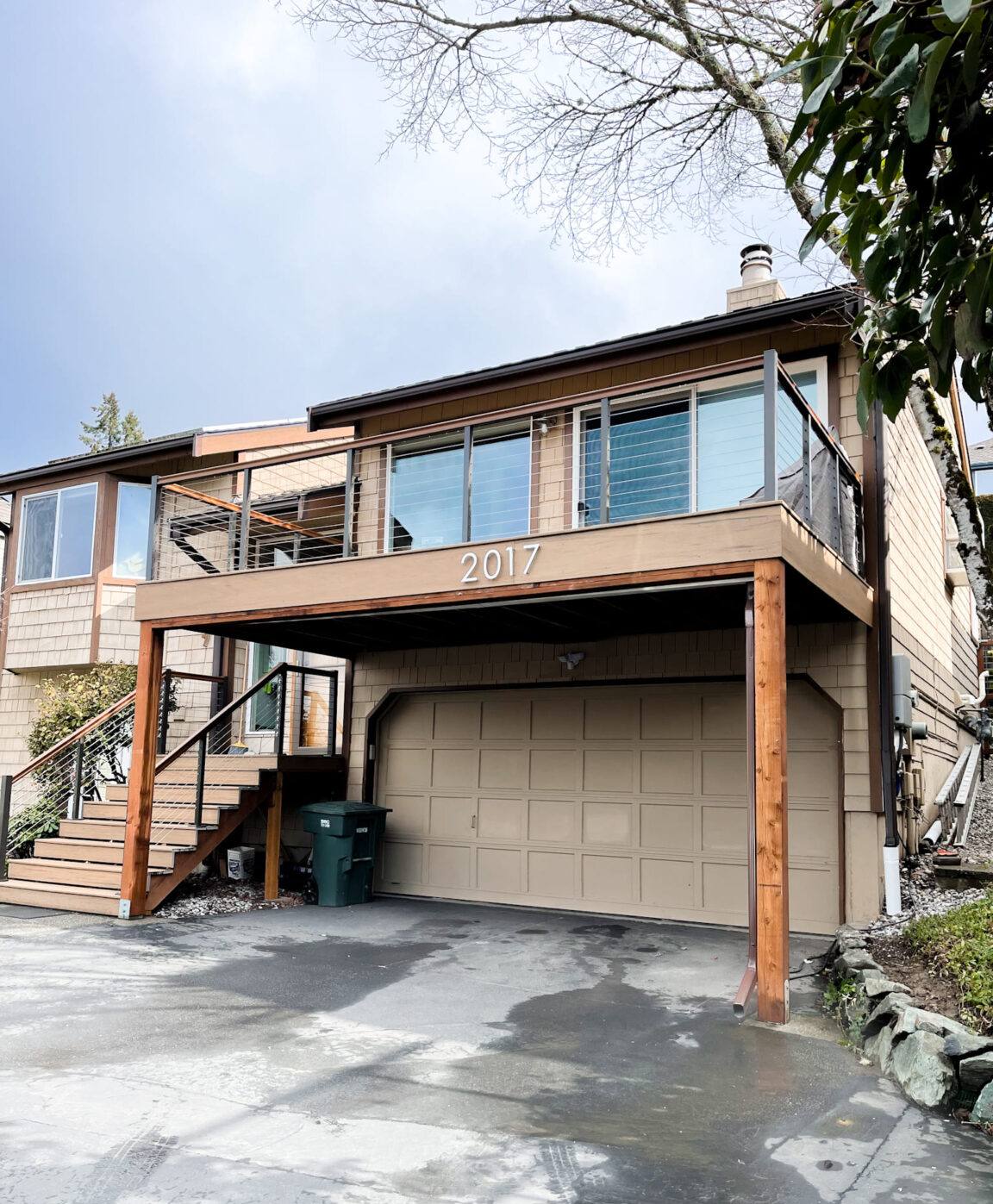
What Salt Air and Coastal Exposure Actually Do to a Window
It helps to understand the failure points before deciding what to fix or upgrade. Coastal exposure attacks windows in a few specific ways:
- Hardware corrosion: Cheaper locks, hinges, and cranks that aren't rated for marine or near-marine environments can start pitting and seizing up within a few years of salt exposure.
- Seal and gasket breakdown: The rubber and vinyl seals around glass and sash are constantly wet-dry cycling. Lower-grade seals harden, shrink, or crack faster in this environment, which leads to fogging between panes and drafts.
- Wood rot at vulnerable points: On older homes with wood-frame windows, sills and lower corners are the first to go if moisture gets in and can't dry out — and in a moss-season climate, drying-out time is limited.
- Wind-driven rain infiltration: Rain that's being pushed sideways by wind finds gaps in flashing and trim that would never leak in a calmer climate. Improper flashing is one of the most common causes of hidden water damage behind window openings out here.
- Moss and algae staining: Frames, sills, and trim in shaded or north-facing exposures collect moss and green staining, which isn't just cosmetic — trapped moisture under moss growth accelerates rot and finish failure.
What a Correct Window Job Looks Like on a Sandy Point Home
Material Selection Matters More Here Than Almost Anywhere
Not every window product is a good fit for direct coastal exposure. We steer Sandy Point homeowners toward frame materials and hardware finishes that are built to resist salt corrosion and moisture cycling, and we're upfront when a particular style or finish isn't a good match for a waterfront exposure — even if it's popular inland. That's a maintenance and longevity call, not a knock on any product line.
Flashing and Water Management Come Before the Window Itself
A high-end window installed with poor flashing will leak. A mid-grade window installed with correct flashing, sill pans, and weather-resistive barrier integration will hold up. On every Sandy Point job, we treat the opening — not just the window unit — as the thing we're building to last. That means proper sill pan flashing, correctly lapped house wrap or building paper, and sealant details that account for wind-driven rain, not just vertical rainfall.
Glass and Sealed-Unit Specification
Dual-pane, Low-E coated glass with an argon or similar gas fill is the standard baseline for both energy performance and condensation control. In a marine climate, we also pay attention to how the sealed unit's edge spacer is built, since seal failure is one of the first things to show up as fogging between panes when a window is exposed to constant humidity and salt air.
Frame Material Comparison for Coastal Exposure
| Material | Salt/Moisture Resistance | Maintenance | Typical Fit for Sandy Point |
|---|---|---|---|
| Vinyl | Very good — won't rust or rot | Low; occasional washing to remove salt film | Strong default choice for most homes, good value |
| Fiberglass | Excellent — very stable, resists corrosion and warping | Low | Good upgrade for full sun/wind exposure or larger custom sizes |
| Aluminum | Fair — needs marine-grade coatings or it corrodes/pits over time | Moderate | Only with proper coating spec; otherwise a poor coastal fit |
| Wood / wood-clad | Poor to fair without diligent upkeep | High — regular refinishing and inspection | Workable for character homes if maintenance is realistic |
None of these materials are automatically "wrong" — the right choice depends on the home's exposure, the look the owner wants, and how much upkeep they're realistically willing to do. We'll walk through the trade-offs for your specific house rather than push one answer.
Custom Sizing and Style Considerations for This Neighborhood
A lot of Sandy Point homes are older cottages and cabins that were expanded or updated over the years, which means window openings are often not standard sizes. Custom windows are frequently the right call here — not as an upsell, but because a stock-size unit simply won't fit the opening without reframing the whole wall. Other homes were built or renovated for the view, with larger picture windows or window walls facing the water, which changes the structural and wind-load considerations for the install.
Things we account for on a Sandy Point custom job:
- Whether the existing opening is true and square, or needs correction as part of the install
- Wind exposure on the water-facing side of the home versus the more sheltered sides
- Matching sightlines and trim profiles when replacing some but not all windows on a home
- Egress requirements for bedroom windows when sizes or configurations change
- Whether the home's siding and trim will need repair or flashing work at the same time as the window swap
Our Process for a Sandy Point Window Job
- On-site assessment: We look at every opening individually — framing condition, existing flashing, signs of past water intrusion, and the home's specific wind and salt exposure.
- Honest material and glass recommendation: Based on that exposure, not a one-size-fits-all default.
- Accurate measurement for custom sizing: Especially important on older or previously modified openings.
- Removal and opening prep: Including repair of any rot or damaged sheathing found once the old window is out — this is common on coastal homes and worth planning for.
- Correct flashing and sealing sequence: Sill pan, window, house wrap integration, and sealant — done in the right order, not shortcut.
- Interior and exterior finish work: Trim, caulking, and touch-up so the install looks finished, not patched.
- Final walkthrough: Operation check on every window — locks, cranks, and sash movement — before we call it done.
Maintenance That Actually Matters in This Climate
Even the right window will need some homeowner upkeep in a salt-air, moss-season environment. This isn't difficult, but it's different from what an inland homeowner needs to think about:
- Rinse frames and hardware periodically to remove salt film buildup, especially on water-facing sides
- Keep weep holes (the small drainage openings at the bottom of the frame) clear of debris, moss, and salt crust so water can drain out instead of pooling
- Check and touch up exterior caulking annually, since UV and constant moisture cycling break down sealants faster here
- Clear moss and organic buildup from sills and trim before it holds moisture against the frame
- Operate locks and cranks periodically even on windows you don't open often, to keep hardware from seizing
What Affects the Cost of a Custom Window Job Here
| Factor | Why It Matters |
|---|---|
| Frame material chosen | Fiberglass and higher-spec vinyl cost more upfront but resist coastal wear better |
| Custom vs. stock sizing | Non-standard openings on older cottages often require true custom units |
| Condition of the existing opening | Hidden rot or damaged sheathing found during removal adds repair scope |
| Number and size of windows | Larger view-oriented openings and multi-window projects have different logistics than single swaps |
| Access and site conditions | Waterfront lots can have tighter access or exposure that affects scheduling and setup |
Straightforward vinyl replacement windows on an accessible opening tend to run in the range most homeowners expect for standard residential work; custom sizes, upgraded materials, or openings needing structural repair push costs higher. We give a real number after seeing the openings in person — not a phone estimate — because so much depends on what's actually behind the old trim.
Why Local Coastal Experience Actually Matters
Window installation isn't the same job on every house in Whatcom County. A crew that mostly works drier, more sheltered inland lots in and around Ferndale may not think twice about hardware finish or flashing detail that's non-negotiable on a Sandy Point waterfront home. We work this coastline regularly, which means we're not guessing about how a particular frame material or sealant will hold up against salt spray and driving rain — we've seen what lasts and what fails early in exactly this kind of exposure. We also plan installs around the weather realistically, since an open wall during a wind-driven rain event is a problem anywhere, but especially here.
If you're weighing a window replacement or a custom install for a Sandy Point home, we're happy to come take a look, walk the openings with you, and give you a straight assessment of what your house actually needs — no pressure, no upsell script. Reach out using the form below to set up a free estimate.