 Ferndale Exterior
 Asphalt Shingle Roofing Built for Point Roberts' Exposure
Point Roberts sits at the tip of a small peninsula that hangs south off the mainland into Boundary Bay and the Strait of Georgia, separated from the rest of Whatcom County by an international border. That geography gives it a rougher weather profile than most inland Ferndale-area neighborhoods: salt-tinged marine air on nearly every side, wind-driven rain that arrives straight off open water instead of getting broken up by miles of hills and tree cover first, and a long, damp moss season that settles onto shaded and north-facing roof slopes and doesn't fully let go until well into spring. Asphalt shingle roofing is still a sound, cost-effective choice for the great majority of Point Roberts homes — it just has to be installed with those specific stresses in mind, not treated like a generic product going on a generic roof.
This page covers what a correct asphalt shingle roof looks like for a Point Roberts home specifically: the material choices that actually matter out here, the installation details that separate a roof that holds up from one that starts leaking early, and how our process works from first look to final walkthrough.
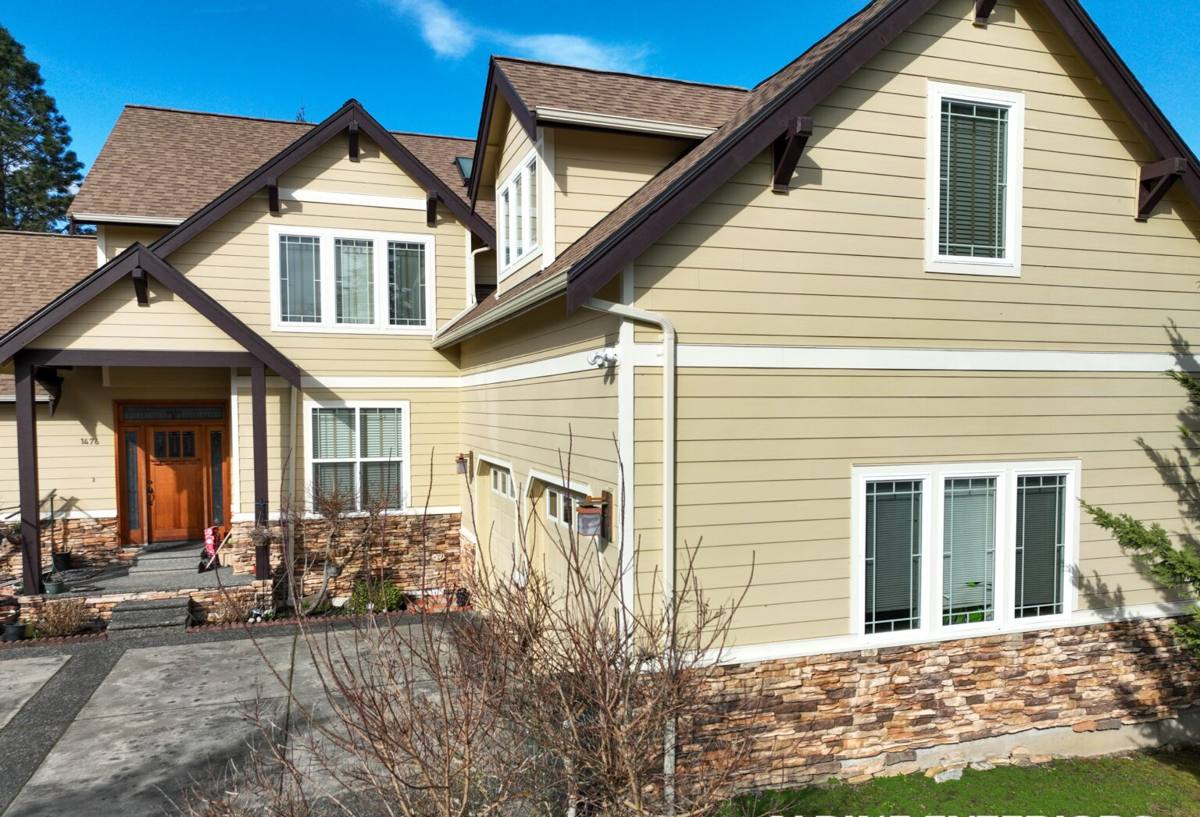
Why Point Roberts Takes a Different Kind of Weather Beating
Most of Whatcom County gets a marine climate. Point Roberts gets a concentrated version of it. With water on three sides and very little inland land mass to slow wind or absorb salt spray before it reaches a roofline, homes here are exposed to conditions that a roof a few miles inland simply doesn't see in the same intensity.
Wind and Salt Off Open Water
Salt-laden air corrodes unprotected metal and undersized fasteners faster than it does further inland, which is often where a roof problem starts years before it shows up as a visible leak. Open-water exposure also means wind isn't broken up by rows of buildings or forest before it reaches the roof deck, so wind uplift on shingle edges and ridge lines is a bigger factor here than on a sheltered inland lot.
A Long, Damp Moss Season
Shaded and north-facing roof planes hold moisture for months at a stretch in this climate, and moss takes hold quickly once it does. Left alone, moss doesn't just look bad — it holds water against the shingle surface and works its way under tabs and along nail lines, which shortens the life of the roof well ahead of schedule.
What a Correct Asphalt Shingle Install Involves
A roof replacement isn't just laying new shingles over what's already there. Done right, it treats the roof as a full system, from the deck up.
Tear-Off and Deck Inspection
A full tear-off to the decking is the only reliable way to catch hidden rot or soft spots that have been developing under old shingles, often invisible from the attic side until they're advanced. A layover install skips this step and simply buries whatever problems already exist under a fresh layer of shingles.
Underlayment
Synthetic or self-adhered underlayment gives the roof a real water barrier underneath the shingle field, which matters directly when wind is pushing rain up under tabs rather than letting it run straight off. Ice-and-water shield at eaves, valleys, and other vulnerable transitions adds a second layer of protection at the spots most likely to leak first.
Flashing at Valleys, Chimneys, and Walls
Most roof leaks in this region start at flashing details, not out in the open field of the roof. Valleys, chimney and vent penetrations, and wall-to-roof intersections all need flashing that's properly lapped and integrated with the underlayment beneath it, not just sealed over with caulk as an afterthought.
Fastening and Shingle Layout
Correct nail placement and count, following the manufacturer's specification rather than a shortcut pattern, is what keeps shingles from lifting under wind load. That matters more on an exposed Point Roberts lot catching direct wind off the water than it would on a sheltered inland property.
Ventilation
Balanced intake and exhaust ventilation keeps the underside of the roof deck dry, which extends shingle life and starves the moisture that feeds moss growth from below. A roof can look fine from the ground and still be shortening its own lifespan because of poor attic airflow.
Comparing Shingle Options for a Point Roberts Roof
| Shingle Type | Typical Lifespan | Fit for Point Roberts Conditions |
|---|---|---|
| 3-Tab Shingles | 15-20 years | Lower upfront cost, but a thinner profile and lower wind rating are a harder match for an open, wind-exposed lot |
| Architectural (Laminated) Shingles | 25-30 years | Heavier construction and better wind resistance, the most common practical choice for this exposure |
| Premium/Designer Shingles | 30+ years | Stronger algae resistance and heavier build, worth considering on shaded or moss-prone slopes |
For most Point Roberts homes, architectural shingles with algae-resistant granules are the sensible middle ground between upfront cost and long-term performance given the wind and moss exposure out here. Whether the premium tier is worth the extra cost depends on roof orientation, tree cover, and how long you plan to own the home.
Cost Factors Worth Understanding
Bids on the same roof can vary by thousands of dollars, and the gap almost always comes down to real differences in scope rather than one contractor simply charging more for identical work.
| Factor | What It Affects |
|---|---|
| Tear-off vs. layover | Whether hidden deck damage is found and repaired before new shingles go on |
| Underlayment grade | How well the roof resists wind-driven rain intrusion |
| Shingle grade and wind rating | Expected lifespan and resistance to lifting in open, exposed conditions |
| Flashing scope | How thoroughly valleys, chimneys, and wall intersections are addressed |
| Ventilation work | Long-term moisture control and shingle longevity |
| Roof pitch and access | Labor time, staging, and safety requirements |
A detailed written estimate that itemizes each of these is worth far more than a single lump-sum number. It's reasonable to ask any contractor to walk through exactly what's included before comparing prices side by side.
Crossing the Border: The Logistics Point Roberts Adds
Point Roberts is part of Whatcom County, but it isn't reachable from the rest of the county by a normal local drive — getting there by land means crossing into Canada and back across the border. That single fact changes how a roofing job out here actually gets run, and it's a big part of why not every contractor is set up to work this area regularly.
Material deliveries, dump trailers, and crew vehicles all have to plan around border crossings rather than just showing up. A crew that treats Point Roberts as a routine part of its territory builds that into scheduling from the start — ordering shingles and underlayment with enough lead time, planning crossings around wait times, and not promising a same-day fix that a mainland job could support. A crew that only occasionally takes work out here is more likely to underestimate that friction, which shows up as delays once the job is already underway.
It also matters for smaller jobs. A quick repair or an emergency tarp after a storm is a bigger ask logistically here than it is a few miles inland, which is exactly why an established local presence — rather than a one-time trip out — is worth something to a Point Roberts homeowner.
How Our Process Works
We keep the process straightforward, because homeowners deserve to know what's happening at every stage of a job this size, and because a job out at Point Roberts needs a clear plan before the first crossing.
- In-person inspection: We walk the roof and attic in person and document exactly what we find, rather than estimating from a photo.
- Written estimate: You get a clear, itemized bid covering tear-off, underlayment, flashing, ventilation, material selection, and cleanup — no vague single-line pricing.
- Scheduling around weather and logistics: We plan material delivery and crossing timing in advance, and we build in reasonable flexibility for wet-season delays rather than promising a fixed date regardless of conditions.
- Tear-off and deck repair: Old roofing comes off completely, and any deck damage found underneath is repaired before anything new goes down.
- Underlayment, flashing, and shingle installation: Each layer goes on to manufacturer specification, with extra attention at valleys, penetrations, and wall transitions.
- Final walkthrough and cleanup: We review the completed roof with you and do a full site and magnetic nail sweep before calling the job done.
Why Hiring a Crew That Already Works Point Roberts Matters
A crew that regularly works roofs at Point Roberts has already seen how salt air corrodes underspecified fasteners out here, how open-water wind finds any weak spot in a fastening pattern, and which slopes hold moss longest through the wet season. That's practical knowledge that shows up in the small decisions made throughout a job — decisions a crew unfamiliar with this specific exposure and this specific logistics picture might not think to make at all.
It also matters after the job is finished. A workmanship warranty is only as good as the company standing behind it, and a contractor with an established, ongoing presence on this side of the border is the one you can actually reach two or three years later if a question comes up — not one that treated the job as a single out-of-the-way trip.
A Practical Checklist Before You Choose a Roofer for a Point Roberts Home
- Do they perform a full tear-off with deck inspection, not just a layover?
- Does the estimate specify underlayment type and shingle product, not just "new shingles"?
- Is flashing work at valleys, chimneys, and walls explicitly included in the bid?
- Do they carry current WA contractor licensing, liability insurance, and workers' compensation?
- Have they scheduled material delivery and crew logistics around the border crossing, or is that an afterthought?
- Can they point to recent, real work completed at Point Roberts specifically?
Signs Your Point Roberts Roof May Need Attention
Asphalt shingle roofs rarely fail all at once. They give warning signs first, and catching them early is often the difference between a repair and a full replacement — which matters even more here, where getting a crew out isn't as simple as a quick same-day call.
- Granules collecting in gutters, which signals shingles wearing thinner than they should
- Curling, cracking, or lifted shingle edges, especially on wind-exposed slopes facing open water
- Dark streaking or moss buildup on shaded or north-facing roof planes
- Water staining on interior ceilings or in the attic near valleys or penetrations
- Visible sagging along the roofline, which can indicate deck-level moisture damage
If a home sits vacant for stretches of time, as many do out here, these signs can go unnoticed longer than they would on a full-time residence, which is another reason a periodic look from someone who knows what to check for is worth having.
If you'd like an honest, no-pressure look at your Point Roberts home's roof and a written estimate to compare against anything else you've received, we're glad to make the trip out. Use the form below to request a free estimate.