 Ferndale Exterior
 Bellingham's Siding Problem Isn't Cosmetic — It's Moisture Management
Homes in and around Bellingham sit in a stretch of Whatcom County where three things happen at once, year after year: salt-laden air drifts in off the water, rain arrives sideways more often than straight down, and shaded north- and west-facing walls stay damp long enough for moss and algae to take hold. None of those factors are dramatic on their own. Together, over ten or fifteen years, they punish siding that wasn't built or installed with that combination in mind. Paint fails early. Seams open up. Panels that look fine from the street are quietly wicking moisture at the bottom edge.
This page is specifically about fiber cement siding on Bellingham homes — not siding in general, and not fiber cement everywhere. The install details that matter here are the ones that address wind-driven rain intrusion, salt exposure on fasteners and trim, and prolonged surface dampness. Get those details wrong and the material choice barely matters. Get them right and a correctly installed fiber cement system will outlast almost anything else on the market in this environment.
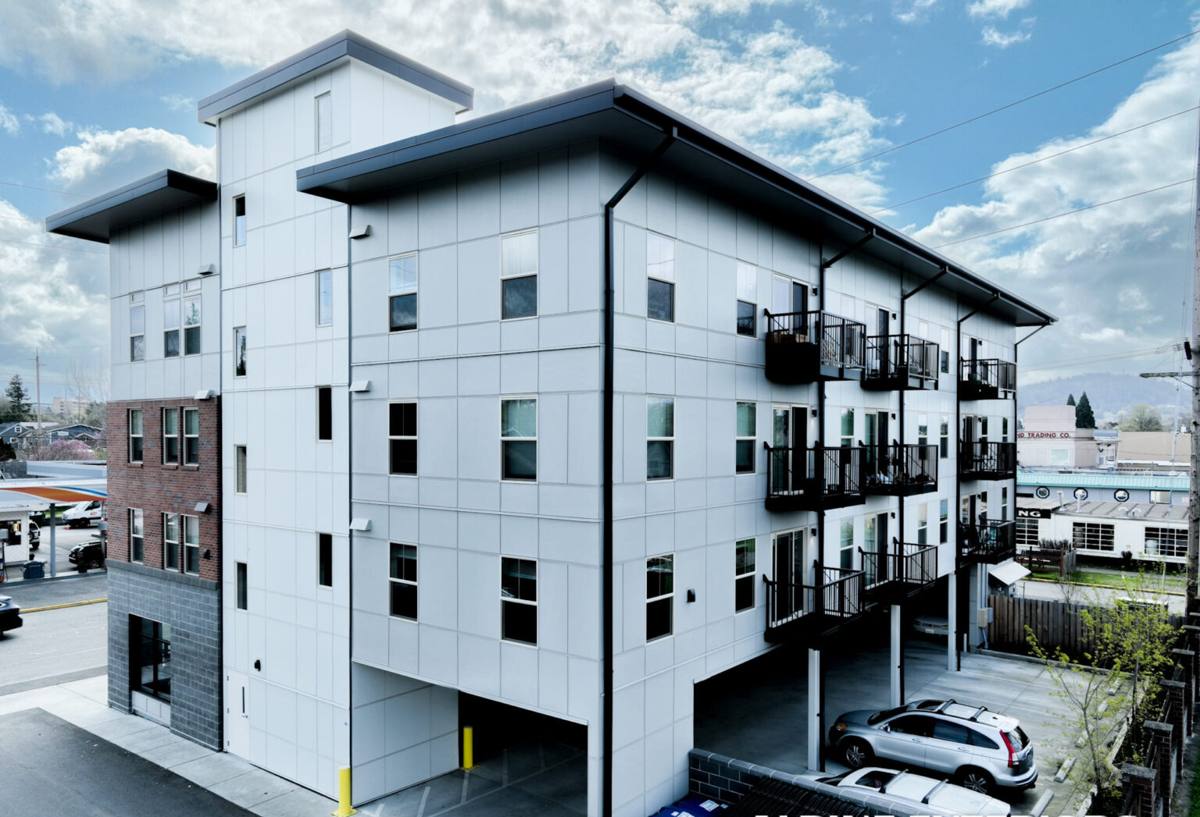
What Salt Air, Driving Rain, and Moss Season Actually Do to a Wall
Salt air
Airborne salt is corrosive to exposed metal — nail heads, flashing edges, trim fasteners. It also accelerates the breakdown of lower-quality paint films, which is part of why we won't put field-painted siding on a Bellingham home when a factory-cured, baked-on finish is available instead.
Driving rain
Wind off the Strait and the Sound doesn't just fall on a wall, it pushes into it — under laps, around penetrations, into any seam that wasn't properly flashed or caulked. A siding system in this area needs to shed that water before it ever reaches the sheathing, not just look watertight from ten feet away.
Moss season
Whatcom County's wet season runs long. Shaded walls, especially under eaves or near mature trees, can stay damp for weeks at a stretch. Any siding product that absorbs moisture or traps it against the substrate will show it — swelling, soft spots, or a green cast that keeps coming back no matter how many times it's washed off.
Why We Install Only James Hardie Fiber Cement
We standardized on James Hardie for every job we do, including here in Bellingham, for reasons that come directly from what this climate does to a wall over time. Fiber cement itself — cement, sand, and cellulose fiber — doesn't absorb water the way wood-based products do and it doesn't warp, rot, or feed moss the way cedar can. But not all fiber cement is installed or finished the same way, and the differences matter:
- ColorPlus factory finish — baked on in a controlled facility, not brushed or rolled on site, which holds up better against salt air and UV than field-applied paint.
- HardieZone engineering — Hardie's HZ5 product formulation is built for the wetter, more temperate Pacific Northwest, as opposed to a one-size-fits-all product sold nationally.
- Non-combustible core — not a moisture issue specifically, but one more reason it's the material we're willing to stand behind long-term.
- A transferable warranty — backed by the manufacturer, not just by our own labor warranty.
We don't install LP SmartSide, vinyl, or cedar, and we don't install other fiber cement brands either. That's not a knock on every one of those products in every application — it's that we've chosen to specialize in one system, install it correctly every time, and stand behind it, rather than stock five products and get good at none of them.
What a Correct Installation Actually Involves
Fiber cement siding is only as good as the wall assembly behind it. A rushed or undertrained crew can put James Hardie panels on a house and still leave it vulnerable to the exact moisture problems the product is supposed to solve. On a Bellingham job, our install sequence focuses on:
- Weather-resistive barrier, done right — a continuous water-resistive barrier behind the siding, lapped correctly, with no shortcuts around windows or corners.
- Rain screen gap — a drainage space between the barrier and the siding so any water that does get behind the panels can drain and dry out, instead of sitting against the wall.
- Flashing at every penetration — windows, doors, hose bibs, light fixtures, vents. This is where driving rain finds its way in if it's skipped or done casually.
- Correct fastening — following Hardie's fastener spacing and blind-nailing or face-nailing specs, using fasteners rated for coastal exposure.
- Proper clearance — siding held up off decks, patios, and grade per manufacturer minimums, so it isn't sitting in standing water or constant splash-back.
- Caulking only where it belongs — sealant at trim joints and penetrations, not as a substitute for flashing.
Every one of those steps is inspectable. A homeowner walking a job site can ask to see the rain screen gap and the flashing before panels go up — and should.
Cost Factors Specific to a Bellingham Install
| Factor | Why it matters here | Effect on cost |
|---|---|---|
| Rain screen / furring strips | Adds a drainage gap critical for driving-rain exposure | Moderate add — labor and material for furring |
| Fastener grade | Salt air corrodes standard fasteners faster | Small add — coastal-rated fasteners cost more per box |
| Existing wall condition | Moss/moisture history often means hidden sheathing damage | Variable — repairs found during tear-off |
| Trim complexity | More corners, dormers, and penetrations mean more flashing detail | Higher labor hours |
| Panel vs. lap profile | Both perform well; choice is mostly aesthetic and site-specific | Roughly comparable material cost |
| Access and staging | Wooded or hillside lots common in the area can slow material handling | Site-dependent labor add |
The single biggest cost swing on most Bellingham jobs isn't the siding material itself — it's what the crew finds once the old siding comes off. Homes that have had moisture sitting behind aging siding for years sometimes need sheathing or framing repair before new siding can go up correctly. We always price that as a possibility up front rather than let it turn into a surprise mid-job.
Our Process on a Bellingham Job
We work in this part of Whatcom County regularly, which means we already know what to look for before a tear-off starts. A typical job runs through:
- An on-site walk to check existing siding, trim, and any signs of past moisture intrusion or moss buildup around shaded walls.
- A written estimate that separates the base install from any contingency for sheathing repair, so pricing is clear before work begins.
- Tear-off and inspection of the sheathing, with photos of anything found before it's covered up.
- Weather-resistive barrier, rain screen, and flashing installed per manufacturer spec.
- James Hardie ColorPlus panels installed to Hardie's fastening and clearance requirements.
- A final walk-through where we point out the flashing and drainage details that are now hidden behind the finished wall.
Maintenance Through Moss Season
James Hardie siding, correctly installed, needs far less upkeep than wood or vinyl in this climate — but "less" isn't "none." A short seasonal checklist keeps it performing the way it's supposed to:
- Rinse shaded, north-facing, or tree-covered walls once a year to keep moss and algae from getting established.
- Keep gutters clear so overflow doesn't run down the face of the siding during heavy rain events.
- Check and re-caulk trim joints and penetrations if you notice cracking or gaps — this is normal sealant wear, not a siding failure.
- Trim back vegetation and tree limbs that keep a wall section shaded and damp longer than the rest of the house.
- Watch the bottom few inches of siding near grade, decks, and patios — the most common spot for splash-back and clearance issues to show up first.
Why a Crew That Already Works This Area Matters
Siding installation isn't uniform across the country, and it shouldn't be. A crew that mostly works drier inland climates can do technically correct work and still under-detail the moisture management a coastal Whatcom County home actually needs, simply because it's never been the deciding factor on their other jobs. Working Bellingham and Ferndale regularly means we've seen what happens to walls here — where moss actually takes hold, which wall orientations take the worst of the driving rain, what salt air does to trim over a decade — and we build every install around that, not around a generic spec sheet.
If your current siding is failing early, showing recurring moss or algae, or you're planning ahead for a replacement, we're glad to walk the property, look at what's actually going on with the walls, and put together a straightforward, no-pressure estimate. There's no cost and no obligation to get our take on your home.