 Ferndale Exterior
 New-Construction Windows for Blaine's Coastal Conditions
Blaine sits close enough to the water that salt air, wind-driven rain, and a stretch of gray, damp months every year are just part of building here. When windows go into a new build, there's a narrow window (no pun intended) to get the flashing, sealing, and product selection right before siding and trim close everything up. Get it right at this stage and the windows perform for decades. Get it wrong, and the problems don't show up until years later, buried behind finish materials.
Ferndale Exterior Company installs new-construction windows on homes throughout Whatcom County, including Blaine, and we treat this phase differently than a retrofit or replacement job. The stakes are higher because the window is going into a rough opening for the first time, with no old frame to reference and no forgiveness for skipped steps.
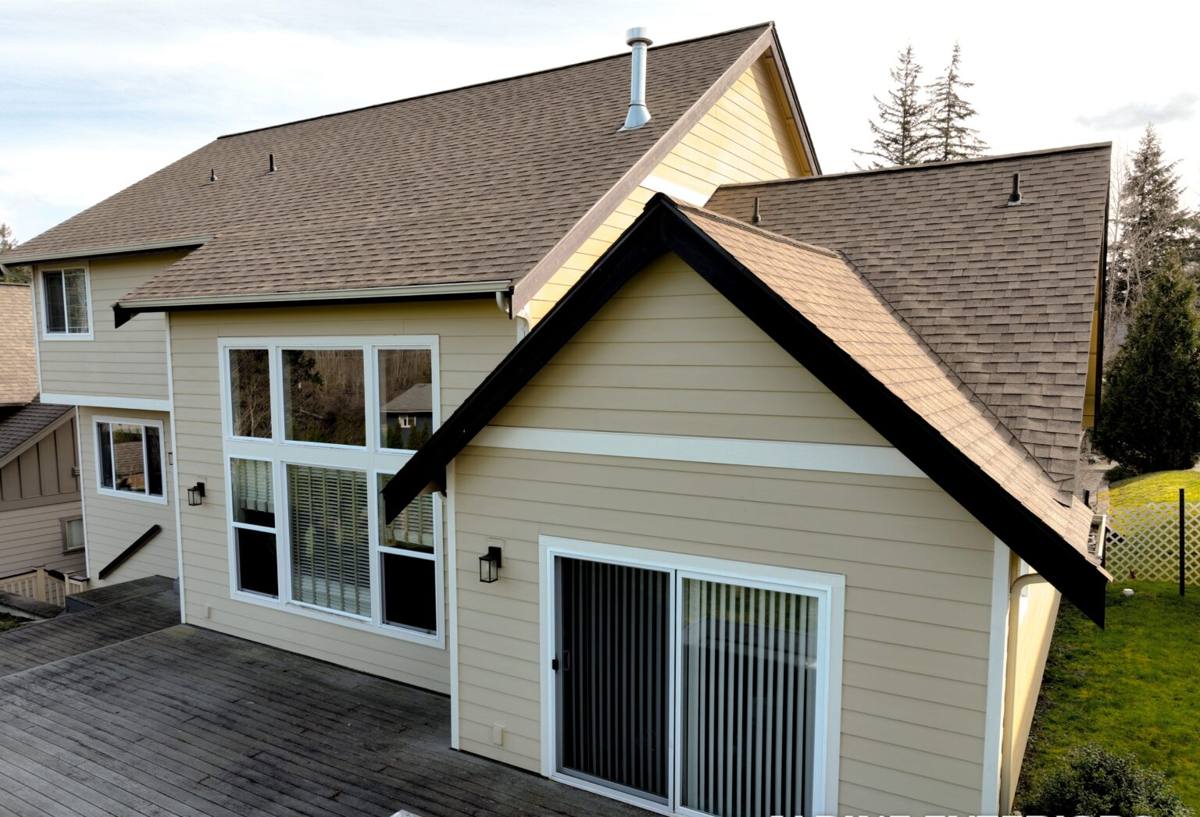
New-Construction vs. Replacement: Why the Distinction Matters
"New-construction" windows are built with a nailing fin (sometimes called a nail flange) around the perimeter of the frame. That fin gets fastened directly to the wall sheathing before the weather-resistive barrier (house wrap) and siding go on, which means the window becomes part of the wall's water-management system rather than sitting inside an existing one.
Why This Changes the Job
A replacement window is installed into an existing frame that's already flashed and sealed — the contractor is working with what's there. A new-construction window install is the opposite: we're building the water-shedding path from scratch, integrating the window with the sill pan, the WRB, and the flashing tape in a specific order. There's more control, but also more responsibility, because any shortcut here gets covered up and forgotten until it leaks.
What Blaine's Climate Actually Demands
Blaine gets more direct exposure to onshore wind and salt-laden air than inland parts of Whatcom County, and that combination drives several practical requirements for a new-construction window install:
- Corrosion-resistant hardware. Salt air accelerates corrosion on lesser-grade fasteners, hinges, and cranks. We use hardware and flashing components rated for coastal exposure, not generic interior-grade parts.
- Driving-rain-rated flashing details. Wind-driven rain doesn't just fall on a window — it gets pushed sideways and upward under trim and siding laps. The flashing sequence has to shed water down and out even when rain isn't falling straight down.
- Moss and mold resistance around sills and trim. Whatcom County's long wet season keeps exterior surfaces damp for months at a time. Sill design and drainage matter as much as the glass itself, since standing moisture is what feeds moss and rot at the sill and trim joints.
- Condensation control. Cooler coastal temperatures combined with interior heating can drive condensation on interior glass if the glass package and frame aren't matched to the climate zone.
Getting the Building Envelope Right
Most window failures on new builds aren't the window's fault — they're installation sequencing failures. On a new-construction job, the order of operations is what actually keeps water out:
The Sequence We Follow
- Rough opening is checked for square, level, and correct dimensions before the window ever shows up on site.
- A sloped sill pan is installed at the bottom of the opening so any water that gets past the window has a path back outside instead of pooling on the sheathing.
- The window is set, shimmed, and fastened through the nailing fin per the manufacturer's schedule — not just "close enough."
- Flashing tape goes on in a shingle-lap order (sides first, then the top) so every layer overlaps the one below it, the way water actually runs.
- The weather-resistive barrier is integrated back over the flashing, maintaining that same shingle-lap logic all the way up the wall.
- Interior and exterior sealant joints are set at the specific points the manufacturer calls for — sealing everything solid actually traps water in some designs, so this step isn't just "more caulk is better."
Skipping the sill pan or reversing the flashing order are the two mistakes most likely to cause a slow, hidden leak that isn't discovered until siding or interior trim is pulled off years later.
Choosing the Right Window for a Blaine Build
Frame material affects how a window handles salt air, humidity, and years of exposure. There's no single "best" material for every project — it depends on budget, maintenance appetite, and the look of the home — but here's how the common options compare for this specific climate:
| Frame Material | Salt Air / Coastal Behavior | Maintenance | Typical Lifespan |
|---|---|---|---|
| Vinyl | Won't corrode; performs well near salt air when properly installed | Low — occasional cleaning | 20-30+ years |
| Fiberglass | Very stable in temperature swings and moisture; strong coastal option | Low | 30+ years |
| Wood / Wood-Clad | Attractive but needs a well-maintained exterior cladding to keep moisture off bare wood | Higher — finish upkeep on any exposed wood | Varies with maintenance |
| Aluminum | Prone to corrosion in salt air unless marine-grade and properly finished | Moderate to high | Varies widely |
For most Blaine builds we steer homeowners toward vinyl or fiberglass frames for their corrosion resistance and low upkeep, reserving wood-clad options for homeowners who want that look and are prepared to keep the exterior finish maintained.
Glass and Ratings
Beyond frame material, the glass package matters just as much. Look for a low U-factor (better insulation) and a solar heat gain coefficient (SHGC) suited to Western Washington's cloudier, cooler climate rather than a hot, sun-heavy region. Double-pane low-E glass is the standard baseline; triple-pane can be worth it on north- or west-facing walls that take the brunt of coastal wind and rain.
Our New-Construction Window Process
We coordinate directly with builders and homeowners so window installation lands at the right point in the build schedule — not too early, not so late that it holds up siding crews.
- Review plans and rough openings before framing is finalized, catching sizing issues while they're still cheap to fix.
- Confirm product selection and lead times early, since some sizes and configurations take weeks to manufacture.
- Install once the structure is dried in and openings are ready, following the sill-pan-and-shingle-lap sequence on every opening.
- Document flashing and sealant work at each window before it's covered by siding, so there's a clear record of how the envelope was built.
- Final walkthrough with the homeowner or builder to confirm operation, locks, and weatherstripping before we consider the job done.
Common Mistakes We See on New Builds in This Area
Because we work new-construction sites throughout Whatcom County, we regularly get called in to inspect or correct work from crews that don't specialize in this stage of a build. The recurring issues:
- Missing or flat (non-sloped) sill pans that let water sit against the sheathing instead of draining out.
- Flashing tape applied top-first instead of in proper shingle-lap order, which funnels water behind the barrier instead of over it.
- Under-fastened nailing fins that leave the window able to shift slightly over time, breaking the seal at the perimeter.
- Sealant used as a substitute for correct flashing sequencing rather than a supplement to it.
None of these are visible once siding and trim go on — they only surface as a stain, soft spot, or draft years down the road, which is exactly why the install sequence matters more than almost anything else on a new build.
Why Hire a Crew That Already Works Blaine
A contractor who works this stretch of coastline regularly already knows how the wind and rain hit differently here than a few miles inland in Ferndale proper, and adjusts flashing details and product recommendations accordingly. That local pattern recognition — knowing which walls take the worst of the driving rain, which sill details hold up under a wet Whatcom County winter, and which hardware actually resists salt air over time — comes from doing this work in this specific area, not from a general checklist.
What to Ask Any Contractor Installing Windows on Your New Build
- Will you install a sloped sill pan at every opening, and can you walk me through your flashing sequence?
- What frame materials do you recommend for a home this close to the water, and why?
- Can you document or photograph the flashing work before it's covered by siding?
- What U-factor and SHGC ratings do you typically spec for homes in this climate zone?
- How do you coordinate scheduling with the framing and siding crews so windows go in at the right stage?
Get a Free Estimate for Your Blaine New-Construction Windows
If you're building in Blaine or elsewhere in Whatcom County and want windows installed correctly the first time — sill pans, flashing sequence, and product selection all matched to what this coastal climate actually demands — we're happy to take a look at your plans and walk through the details with you. Reach out for a free, no-pressure estimate using the form below.