 Ferndale Exterior
 Custom Windows Built for Custer's Weather
Custer sits in the open country north of Ferndale, closer to the water and farther from tree cover than most of the neighborhoods closer to town. That exposure matters when it comes to windows. Homes out here take a steadier beating from wind-driven rain, salt-laden air off the Strait of Georgia and Birch Bay, and the long gray stretch of the year when moss and algae get a foothold on anything that stays damp. A window that holds up fine in a sheltered subdivision can fail early out here if it wasn't built and installed with this specific exposure in mind.
"Custom" doesn't mean fancy shapes or premium upgrades nobody asked for. It means the window is sized, framed, and flashed to fit the actual opening in front of us and the actual weather that opening faces — not a generic stock size squeezed into place and caulked around the edges.
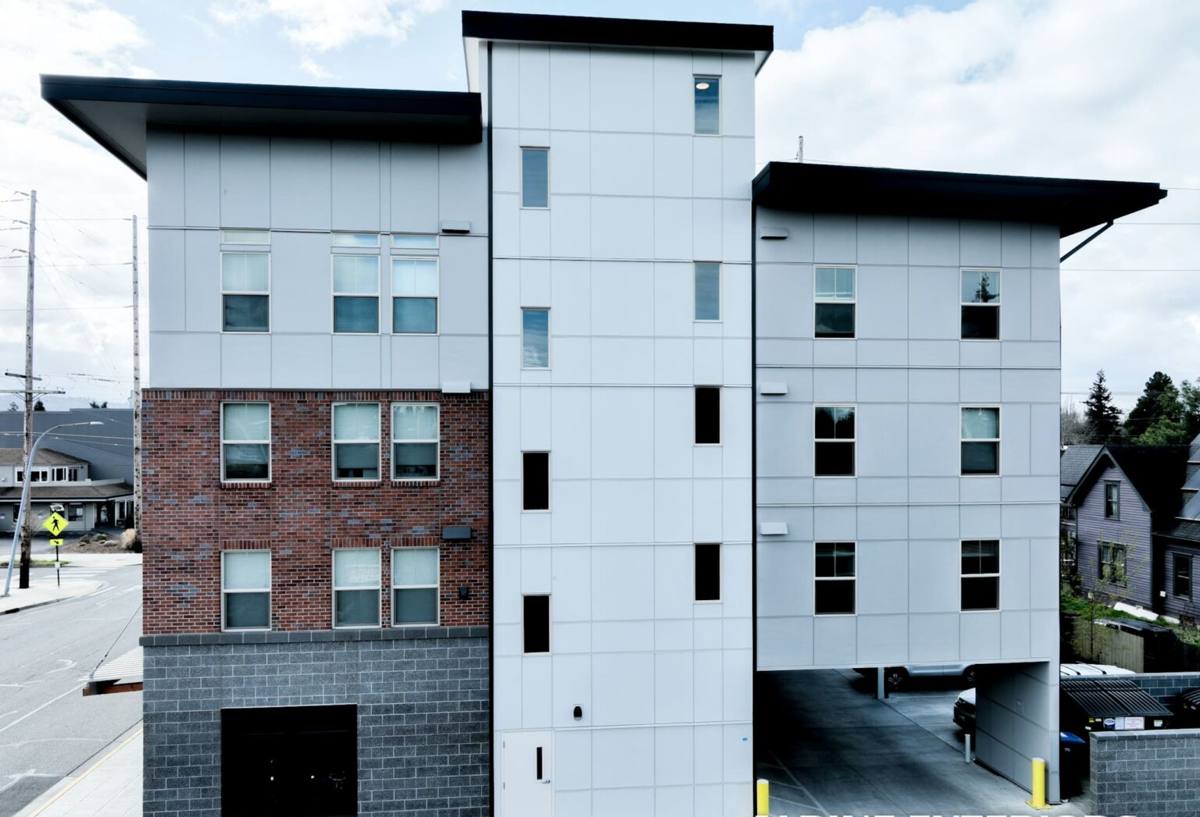
Why Custer's Climate Is Hard on Windows
Salt Air
Homes closer to the water pick up airborne salt that settles on glass, frames, and hardware. Over years, that salt film accelerates corrosion on lower-grade metal components — hinges, cranks, and especially bare aluminum frames — and it can etch glass surfaces if it's never rinsed off. It doesn't ruin a well-built window overnight, but it shortens the life of anything with weak corrosion resistance.
Driving Rain
Whatcom County storms don't always come straight down. With less windbreak from trees and neighboring structures in the more rural parts of Custer, rain frequently hits windows at an angle, driven sideways by wind. That kind of exposure tests the flashing and sealant details around a window far more than a gentle vertical rain would. Most window leaks we get called out to fix aren't glass failures — they're flashing and installation failures that only show themselves under sideways rain.
Moss and Algae Season
Whatcom County's wet season runs long, and anything that stays shaded and damp — window sills, bottom rails, trim boards — becomes a place for moss and algae to grow. On wood-frame windows, that moisture sits against the wood for months at a time, which is exactly the condition that leads to rot at the corners and under the sill. Even on low-maintenance materials, sustained moss growth traps moisture against caulk lines and can shorten their life.
What Goes Into a Correctly Installed Custom Window
A custom window job is really three jobs stacked together: accurate measurement, correct material selection for the exposure, and a moisture-managed installation. Skipping or rushing any one of the three is how a window that looks fine on day one starts leaking or fogging within a few years.
- Field measurement of the actual rough opening — older Custer-area farmhouses and outbuildings-turned-living-space often have openings that are slightly out of square or don't match modern standard sizes
- Selection of frame material and glass package matched to the wall's sun and wind exposure, not a one-size-fits-all spec across the whole house
- Removal of the old window down to the framing, with an inspection for hidden rot or moisture damage before anything new goes in
- Proper flashing sequence — sill pan, side flashing, and head flashing integrated with the house's existing weather-resistive barrier, not just caulked over the top
- Correct shimming and fastening so the sash operates smoothly and the frame isn't under stress that will crack seals over time
- Interior and exterior trim-out that sheds water away from the frame rather than channeling it toward the sill
Signs a Custer Home Needs New or Replacement Windows
Most homeowners don't think about their windows until something is obviously wrong. By the time it's obvious, moisture may already be into the framing. Worth checking for:
- Fogging or a cloudy haze between the panes of a double-pane window — the seal has failed and the insulating gas is gone
- Persistent moss, algae, or dark staining on the sill or bottom rail that keeps coming back after cleaning
- Soft or spongy wood at the corners of the frame or sill, especially on the sides facing prevailing wind and rain
- Windows that are hard to open, close, or lock — swollen frames or worn hardware are common after years of moisture exposure
- Noticeable drafts or a cold wall around the window frame even when the window is fully closed and latched
- Paint or finish that's peeling specifically around the window opening while the rest of the siding is fine — often a sign water is getting behind the trim
Frame Materials: What Actually Holds Up Out Here
There's no single "best" window material for every home — it depends on exposure, budget, and how much upkeep a homeowner wants to take on. Here's how the common options compare for Custer's conditions specifically.
| Material | Salt Air / Moisture Resistance | Maintenance | Best Fit |
|---|---|---|---|
| Vinyl | Good — won't corrode or rot, though prolonged UV can affect appearance over decades | Low — occasional rinse, no painting or sealing | Budget-conscious replacements and homes wanting minimal upkeep |
| Fiberglass | Very good — dimensionally stable, resists both moisture and salt exposure well | Low — durable finish, holds paint if a color change is wanted later | Higher-exposure walls facing prevailing wind and rain |
| Wood-Clad | Fair — depends entirely on the cladding and joint sealing staying intact | Moderate to high — exposed wood surfaces need monitoring for rot, especially in moss-prone spots | Homeowners prioritizing interior wood appearance who are willing to keep up with maintenance |
| Bare Aluminum | Poor in salt air — prone to corrosion and pitting over time near the coast | Moderate — needs cleaning to slow corrosion; hardware wears faster | Generally not our recommendation for Custer's exposure; better suited to drier, inland climates |
We don't push a single brand or material on every job. What we do is tell you honestly which option will actually hold up on your specific wall, given which direction it faces and how sheltered or exposed it is — and we'll say so even if it's not the highest-margin option for us.
Our Process on a Custer Job
1. On-Site Assessment
We look at each opening individually — sun exposure, wind exposure, current condition of the framing, and any signs of past moisture problems. This is also when we flag anything unusual about older openings that a stock replacement window won't fit cleanly.
2. Measurement and Material Selection
We measure the actual rough opening, not just the visible sash, and walk through material and glass options based on that wall's exposure — not a blanket recommendation for the whole house.
3. Removal and Inspection
Old windows come out carefully so we can inspect the framing underneath. If there's hidden rot or water damage, we address that before anything new goes back in — sealing over a hidden problem just guarantees a repeat failure later.
4. Flashing and Installation
This is the step that determines whether a window leaks in five years or fifteen. Sill pans, flashing tape, and integration with the existing weather barrier are done in sequence so water is directed out and down, never trapped behind the trim.
5. Trim, Cleanup, and Walkthrough
We finish the interior and exterior trim, clean up the job site, and walk the homeowner through operation and basic care before we call it done.
Why a Crew That Already Works Custer Matters
Window installation isn't the same job everywhere in Whatcom County. A crew that mostly works sheltered in-town lots doesn't always think about wind-driven rain the same way, because they don't see it as often. Working regularly in and around Custer means we already know to plan flashing details around sideways rain rather than assuming a straight-down storm, and we know which materials are worth the extra cost on an exposed wall versus a sheltered one. That's not a marketing line — it's the practical difference between a crew that installs windows and one that installs windows for this specific stretch of coastline.
Living With Moss Season
No window material is completely maintenance-free in a climate this wet for this long. A little seasonal attention goes a long way toward getting the full lifespan out of a new installation:
- Rinse sills and frames a couple of times a year to clear salt film and organic buildup before it stains or stains set in
- Keep gutters and downspouts clear so overflow isn't running down the wall and pooling at window heads
- Trim back vegetation that shades a window and keeps it from drying out between rains
- Check caulk lines annually, especially on the sides of the house facing prevailing weather, and have gaps resealed before they let water in
None of this is a heavy chore — it's a once- or twice-a-year check that protects the investment.
Get a Free, No-Pressure Estimate
If your Custer-area home has windows that are drafty, fogged, hard to operate, or just showing their age, we're glad to take a look and give you an honest read on what's actually going on and what it would take to fix it right. There's no obligation and no pressure — just a straight assessment from a crew that works this stretch of Whatcom County regularly. Use the form below to request your free estimate.