 Ferndale Exterior
 Roof Repair in Custer: Built for This Corner of Whatcom County
Custer sits close enough to the water that its homes take a different kind of beating than houses just a few miles inland. Salt-laden air off the coast, wind-driven rain that comes in sideways during winter storms, and long stretches of gray, damp weather that keep roofs wet for days at a time — all of it adds up to faster wear on shingles, flashing, and fasteners than you'd see in a drier climate. Add in Western Washington's notorious moss season, which can run nine months out of the year in shaded, north-facing sections of a roof, and you have a maintenance environment that punishes shortcuts.
Roof repair here isn't just patching a leak and moving on. It's understanding why that leak happened in this specific climate, on this specific type of roof, and fixing the actual cause so the same spot doesn't fail again next winter. That's the approach we bring to every repair call in Custer and the surrounding Ferndale area.
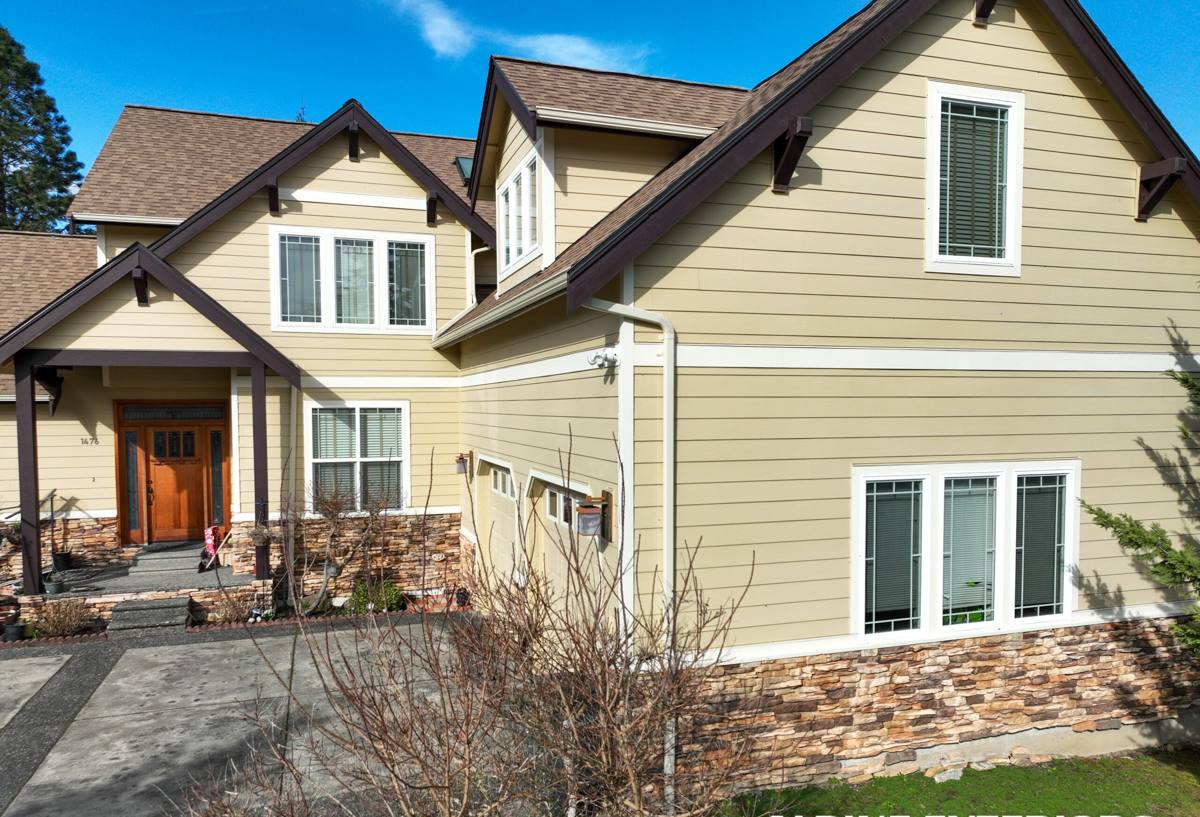
Why Custer Roofs Wear Differently Than Homes Further Inland
Salt Air and Metal Fatigue
Salt-carrying air corrodes exposed metal faster than plain rain does. Nails, flashing, gutter fasteners, and exposed screws on roof-mounted vents or satellite mounts all show accelerated rust in coastal-influenced areas like Custer compared to roofs sitting further from the water. Once a fastener corrodes and loosens, it stops sealing properly, and that's often the actual starting point of a leak — even though the water shows up somewhere else entirely once it works its way under the roofing material.
Wind-Driven Rain
Storms coming off the water tend to push rain sideways rather than straight down. That matters for repair because it means water can be forced up under shingle edges, through nail holes, and into laps that would never leak under calm, vertical rain. A repair that only addresses the visible gap and ignores wind exposure on that side of the roof tends to fail again in the next big blow.
Extended Moss Season
Moss doesn't just look bad — it holds moisture directly against the roofing surface, works its way under shingle tabs as it grows, and can lift edges enough to let wind and rain in. In shaded areas, or on north-facing slopes that don't get much sun exposure, moss can be actively growing for most of the year in this part of Whatcom County. Any repair on a mossy roof that doesn't address the moss itself is a temporary fix at best.
Common Roof Repair Needs We See in the Custer Area
- Shingle lifting or cracking along wind-exposed edges and ridgelines
- Moss intrusion under shingle tabs, especially on shaded, north-facing slopes
- Corroded or loosened flashing around chimneys, skylights, and roof-wall intersections
- Granule loss on older asphalt shingles, accelerated by constant damp exposure
- Clogged or sagging gutters contributing to water backing up under roof edges
- Soft spots or discoloration on interior ceilings tracing back to a slow roof leak
- Nail pops and fastener corrosion in older roofing systems
What a Correct Roof Repair Actually Involves
Diagnosis Before Anything Else
Water almost never shows up on the ceiling directly below where it entered the roof. It travels along rafters, underlayment, and sheathing before it finds a way through. A correct repair starts with tracing the leak back to its actual entry point — not just patching the spot where the stain appeared. That means checking flashing, valleys, vent boots, and shingle laps uphill from the visible damage, not just the immediate area.
Matching Materials, Not Just Covering Gaps
A repair should use materials that match the existing roof's age, profile, and exposure — not whatever's easiest to install. Mismatched shingle types or incompatible flashing metals can create new problems, including galvanic corrosion where dissimilar metals meet, or visible patchwork that ages differently than the surrounding roof.
Underlayment and Decking Check
If water has been getting in for a while, the underlayment beneath the shingles and the wood decking underneath that may already be compromised. A repair that only replaces the visible shingles without checking what's underneath can leave rot or soft decking in place, which will keep causing problems even after the surface looks fixed.
Sealing Against Wind-Driven Rain
Given how much of Custer's weather comes in sideways off the water, repairs here need proper sealing at laps, fasteners, and flashing edges — not just materials set in place and expected to shed water under calm conditions.
Our Roof Repair Process
1. Inspection and Honest Assessment
We start by getting on the roof (weather permitting) and in the attic space where accessible, tracing the water path rather than guessing from the ground. We'll tell you plainly if what you're dealing with is a straightforward repair or a sign of broader roof age issues that repair alone won't solve long-term.
2. A Clear, Written Estimate
Before any work starts, you get a written explanation of what failed, what we're fixing, and why — in plain language, not a vague line item. No pressure to upgrade to a full replacement if a targeted repair genuinely solves the problem.
3. The Repair Itself
We match materials to your existing roof where possible, address the root cause (not just the symptom), and check surrounding areas that took the same weather exposure for early signs of the same failure.
4. Cleanup and Follow-Up
Job site cleaned up, debris and old materials hauled off, and a straightforward explanation of what to watch for going forward — especially heading into the next wet season.
Repair vs. Replacement: How We Help You Decide
Not every roof problem in Custer needs a full replacement, and not every leak is a simple patch. Here's how we generally think about it:
| Factor | Leans Toward Repair | Leans Toward Replacement |
|---|---|---|
| Roof age | Roof is under 15-20 years old, or well within its material's expected lifespan | Roof is at or past the typical lifespan for its material |
| Extent of damage | Isolated to one area, flashing point, or slope | Multiple areas failing, widespread granule loss, or recurring leaks in different spots |
| Decking condition | Sheathing underneath is solid and dry | Soft, rotted, or delaminated decking found during inspection |
| Moss/algae extent | Surface growth, manageable with cleaning and targeted repair | Long-term moss damage has lifted shingles across large sections |
| History of repairs | First repair call on this roof | Repeated repairs to the same or nearby areas over recent years |
When a roof is genuinely on the replacement side of that line, we'll say so directly — and explain why — rather than stringing along repeat repair visits on a roof that's past the point where that makes financial sense.
Moss, Algae, and Preventive Maintenance Between Repairs
Given how long moss season runs in this part of Whatcom County, prevention does more for a Custer roof's lifespan than almost anything else homeowners can control. A few habits go a long way between service calls:
- Keep gutters clear so water doesn't back up under roof edges, especially during fall leaf drop
- Have moss physically removed rather than left to grow — scraping and treatment, not just a one-time wash
- Trim back overhanging branches that keep shaded roof sections damp longer than the rest of the roof
- Check flashing around chimneys and vents at least once a year for corrosion or lifting
- Address small leaks promptly — a small entry point in this climate rarely stays small
Why Hiring a Crew That Already Works in Custer Matters
A roofer who works this area regularly already knows which slopes hold moss longest, how far wind-driven rain typically travels under shingle edges in a coastal-influenced storm, and what fastener and flashing choices actually hold up here versus in a drier inland climate. That local pattern recognition shortens diagnosis time and reduces the chance of a repair that looks right but misses the actual cause. It also means faster response when weather turns and a leak needs attention before the next storm rolls through, rather than waiting on a crew that has to drive in from outside the area and isn't familiar with how Ferndale and Whatcom County properties typically behave in wet season.
Get a Straightforward Roof Repair Estimate
If you're dealing with a leak, missing shingles, moss buildup, or damage from a recent storm on a Custer-area home, we're happy to take a look and give you an honest read on what's actually needed. The estimate is free, there's no pressure to commit to more than the problem calls for, and you'll get a clear explanation either way. Use the form below to request a time that works for you.