 Ferndale Exterior
 Windows Built for the Way Kendall Weather Actually Behaves
Kendall sits in a part of Whatcom County where the weather doesn't do anything gently. Winters bring long stretches of driving rain, spring and fall carry heavy humidity that never quite burns off some mornings, and the marine air that moves through this part of Washington keeps everything — siding, trim, and window frames included — damp for longer than most manufacturers assume when they write their warranty language. Windows here aren't just a comfort upgrade. They're one of the first things on a house to show what the climate is doing to the rest of the structure.
A window that's rated fine for a dry climate can still fail early in a Whatcom County installation if the frame material, glass package, and flashing details weren't chosen with this specific weather pattern in mind. This page is about what that looks like in practice for homes in and around Kendall — not a general rundown of window types, but what actually holds up here.
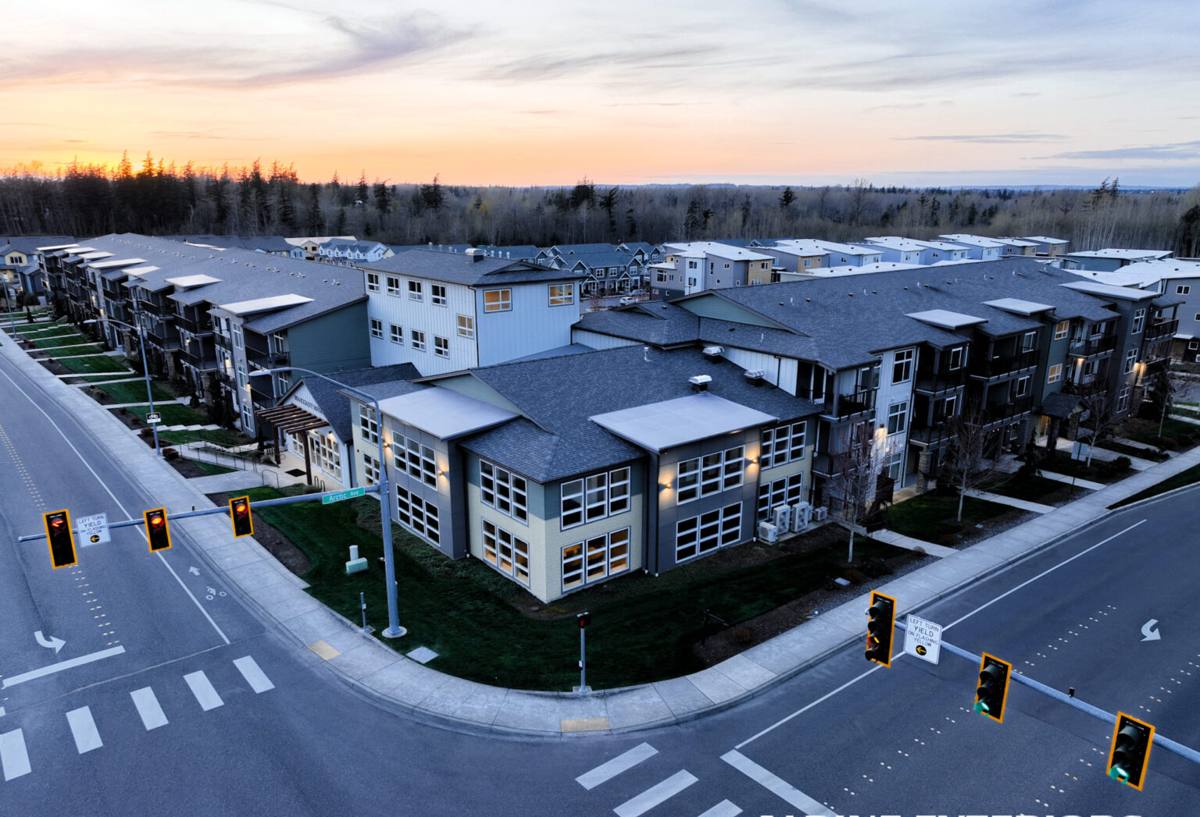
What This Climate Does to Windows Over Time
Driving Rain and Wind-Driven Moisture
Rain in this region doesn't fall straight down very often. Wind pushes it sideways into wall assemblies and window openings, which means the flashing and sealant details around a window matter as much as the window unit itself. A well-built window installed with sloppy flashing will still leak. A mediocre window installed with correct flashing, drainage, and sill pan detailing will often outperform it.
Long Moss and Mildew Season
Whatcom County's moss season runs long compared to drier parts of the state. That constant low-grade moisture doesn't just affect roofs and siding — it settles into window tracks, weep holes, and frame corners where debris collects. Frames and sills that can't shed water and organic buildup start holding moisture against wood trim and interior sills, which is where rot problems usually begin.
Marine Air and Material Fatigue
The salt-tinged marine air that moves across Whatcom County on a regular basis accelerates the breakdown of certain hardware, finishes, and seals faster than an inland dry climate would. Over years, that shows up as pitted or seized hardware, degraded weatherstripping, and finishes that chalk or fade ahead of schedule on lower-grade products.
What "Energy-Efficient" Actually Means for a Kendall Home
Energy efficiency in a window isn't one spec — it's a combination of glass performance, frame material, and how tightly the unit is installed into the wall. Homeowners often shop by U-factor alone, but in this climate, air infiltration and moisture management matter just as much as the insulating value of the glass.
Glass Package
Double-pane, low-E glass with argon gas fill is the practical baseline for this region. It cuts heat loss in winter and reduces solar gain in the warmer months, without the added cost of triple-pane, which rarely pays for itself in a climate with our moderate temperature swings.
Frame Material
The frame has to resist moisture absorption, hold its seal over years of freeze-thaw and wet cycles, and not warp or swell. This is where a lot of the real performance difference between window products shows up — more on that in the comparison below.
Installation Air-Sealing
A high-performance window installed with gaps in the insulation or a poorly sealed rough opening will underperform a mid-grade window installed correctly. Proper foam or fiberglass insulation around the frame, correct flashing tape sequencing, and a sealed interior air barrier are what actually deliver the efficiency number printed on the label.
Signs Your Kendall Home's Windows Are Underperforming
Most homeowners don't notice window failure until it's already caused damage. These are the early signs worth acting on before that happens:
- Condensation forming between the panes (a sign the seal has failed and the insulating gas is gone)
- Visible fogging or a hazy film that doesn't wipe away from the inside of the glass
- Drafts you can feel near the frame even with the window fully latched
- Soft or discolored wood trim around the interior or exterior of the window
- Difficulty opening, closing, or latching that wasn't there a few years ago
- Visible moss, mildew, or dark staining collecting in the frame corners or sill
- A noticeable rise in heating costs without another clear explanation
- Noise transmission that seems louder than it used to be
Any one of these on its own might not mean much. Two or three together, especially on the sides of the house that take the most weather, usually mean it's worth having someone look before the problem spreads into the wall framing.
Choosing the Right Window for This Climate
There's no single "best" window material — there are trade-offs, and the right call depends on the specific window, its exposure, and the homeowner's priorities. Here's how the common options compare for a Kendall-area installation:
| Frame Material | Moisture Resistance | Maintenance | Typical Fit for This Climate |
|---|---|---|---|
| Vinyl | Very good — won't rot or corrode | Low | Solid all-around choice for most Kendall homes; good value and low upkeep |
| Fiberglass | Excellent — dimensionally stable in wet/dry cycles | Low | Strong option for exposed walls that take the most wind-driven rain |
| Wood-clad | Good exterior protection, but vulnerable if cladding is breached | Higher — needs monitoring at joints and sills | Best suited to homeowners who want the interior wood look and are willing to stay ahead of maintenance |
| Aluminum | Poor thermal performance, prone to condensation | Moderate | We generally steer homeowners away from it for primary living-space windows in this climate — the thermal bridging and condensation risk aren't a good match for our wet winters |
Our standard recommendation for most Kendall homes is vinyl or fiberglass, chosen based on the window's size, exposure, and the look the homeowner wants. Wood-clad has its place for homeowners who value the interior finish and understand the maintenance commitment. We're upfront about that trade-off rather than selling a product that doesn't match how the home will actually be lived in.
Our Installation Process for Kendall Properties
Correct installation is what separates a window that performs for decades from one that fails early regardless of how good the unit itself is. Here's how we approach it:
- On-site assessment: We check each window opening individually — sun exposure, wind exposure, existing signs of water intrusion, and the condition of the surrounding wall framing.
- Removal and opening inspection: Once the old window is out, we inspect the rough opening and sill for hidden rot or moisture damage before anything new goes in. This is often where problems that weren't visible from outside get caught.
- Sill pan and flashing: We install a sloped sill pan and sequence flashing so any water that does get past the window sheds outward, not into the wall cavity — critical given how much wind-driven rain this area sees.
- Setting and sealing the unit: The window is shimmed level and square, insulated around the full perimeter, and sealed with materials rated for our climate's moisture exposure.
- Interior and exterior finish work: Trim, caulking, and any siding tie-ins are completed to match the surrounding wall and shed water correctly.
- Final walkthrough: We test operation, check the seal, and walk the homeowner through what maintenance the specific product needs going forward.
Cost Factors for Window Replacement in Kendall
Every home is different, so we don't quote a flat number without seeing the job, but these are the main variables that move the price up or down:
| Factor | How It Affects Cost |
|---|---|
| Frame material | Vinyl is typically the most budget-friendly; fiberglass and wood-clad run higher |
| Window size and configuration | Larger units, bays, and custom shapes cost more than standard sizes |
| Condition of the existing opening | Hidden rot or framing damage found during removal adds repair cost before the new window goes in |
| Number of windows replaced at once | Doing multiple windows in one visit generally lowers the per-window labor cost |
| Access and exposure | Second-story or hard-to-access windows take more time and equipment |
| Glass upgrades | Upgraded low-E coatings or specialty glass add cost but can be worth it on high-exposure walls |
We give homeowners a real, itemized number after seeing the actual openings — not a rough guess based on square footage alone. Given how much hidden rot and flashing issues we find in this climate once the old window comes out, an honest quote has to account for what's actually behind the wall.
Why Working With a Crew That Already Knows Kendall Matters
A window installer who mostly works drier climates will make different default assumptions than one who works Whatcom County year-round. That shows up in small decisions — how much they insulate around the frame, whether they install a sill pan as standard practice, which frame materials they push back on — that add up to a big difference in how the window performs ten years out. We work this specific area regularly enough to know which walls on a typical Kendall home take the worst of the weather and to build the installation around that reality rather than a generic spec sheet.
If your windows are drafty, fogged, difficult to operate, or just older than they should be for how your energy bills look, we're happy to come take a look. We'll give you a straight answer about what's going on and what it would take to fix it — no pressure, no upsell. Use the form below to request a free estimate and we'll get back to you to set up a time.