 Ferndale Exterior
 Building Decks That Hold Up in Everson's Climate
Everson sits inland along the Nooksack River valley, but it still lives under the same marine-influenced weather pattern that soaks all of Whatcom County. Moisture-laden air moves in off the water and settles into the valley, bringing driving rain through the fall and winter and a moss season that can stretch from October well into spring. A deck built without that reality in mind will show it within a few seasons — soft spots, algae film on the walking surface, fasteners bleeding rust, and railings that feel spongy underfoot.
A deck built for this region isn't fundamentally different in appearance from one built anywhere else. What's different is what's underneath the boards, how the structure sheds water, and which materials and fasteners actually hold up when they stay damp for days at a stretch. That's the part homeowners don't see until it fails, and it's the part we focus on first.
What Everson Homes Need From a Deck
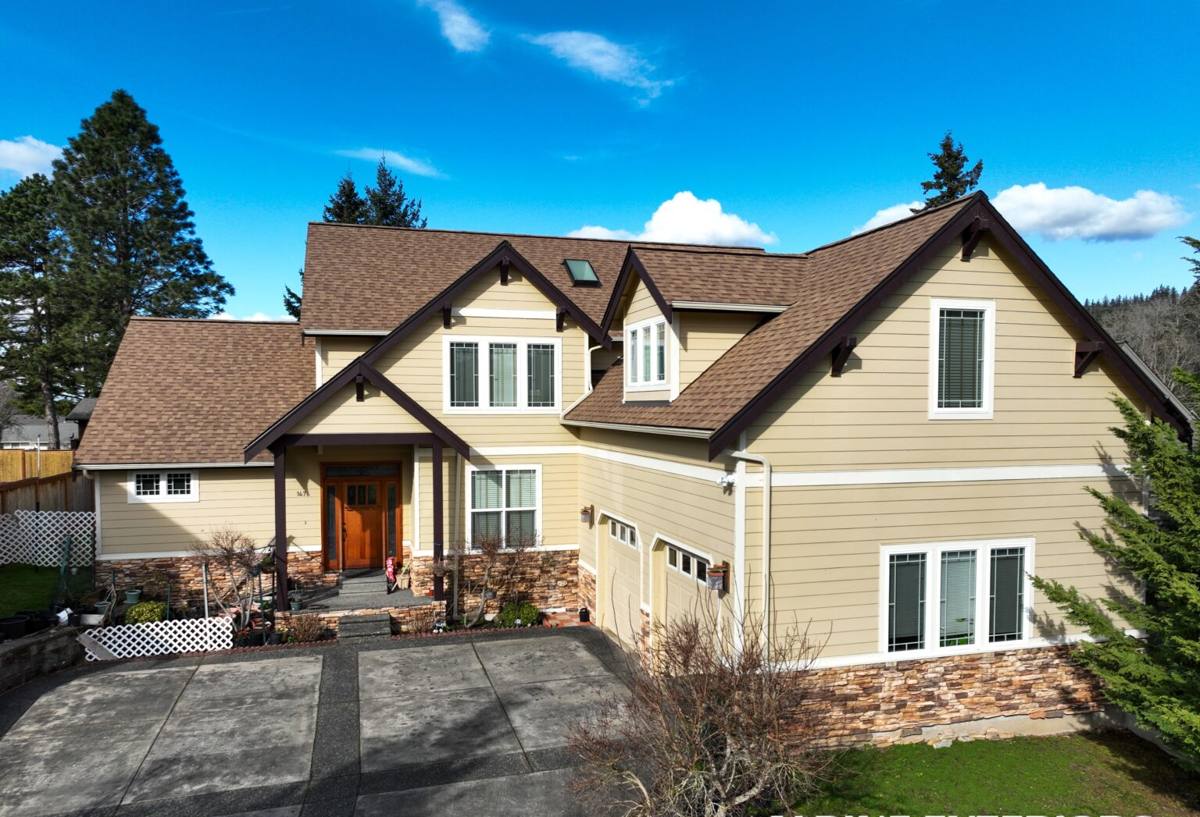
A lot of Everson properties sit on larger rural or semi-rural lots, with more room for a deck that does double duty — outdoor entertaining space, a spot for a hot tub, or a simple extension of the kitchen for grilling and everyday use. That gives homeowners more design freedom than a tight in-town lot, but it also means more exposed surface area for rain and moss to work on, and often less mature landscaping shading the deck from wind-driven weather.
Homes closer to the river or in low-lying areas of the valley also deal with higher ambient humidity for longer stretches of the year, which matters more for deck longevity than most homeowners expect. Wood and even composite decking that never fully dries out between rain events is far more prone to mold, mildew staining, and — in wood-framed structures — rot at the connections you can't see from the surface.
Common problems we see on older Everson decks
- Ledger boards attached to the house without proper flashing, letting water track into the rim joist
- Undersized or improperly spaced footings that shift with seasonal ground saturation
- Composite or wood decking installed tight against the house siding with no gap for airflow
- Metal fasteners and hardware not rated for treated lumber, causing corrosion and staining
- No ventilation beneath low decks, trapping moisture and encouraging rot and moss growth on the underside
Choosing the Right Decking Material for This Climate
There's no single "best" decking material for Whatcom County — the right choice depends on budget, how much upkeep you're willing to do, and how the deck will be used. What we won't do is recommend a product based on what's easiest to install rather than what performs well once it's wet fifty percent of the year. Here's how the common options actually compare in this climate.
| Material | How It Handles Rain & Moss Season | Maintenance | Typical Lifespan Here |
|---|---|---|---|
| Pressure-treated wood | Absorbs moisture, needs to dry between rain events or it stays damp and grows moss/algae | Annual cleaning and re-sealing recommended | 10–15 years with upkeep |
| Cedar | Naturally rot-resistant but still needs to shed water well; surface can gray and grow moss if shaded | Periodic cleaning and finish reapplication | 15–20 years with upkeep |
| Composite (e.g. Trex, TimberTech) | Doesn't absorb water like wood, but surface film (mold/algae) can still form in shaded, damp spots | Occasional washing, no sealing or staining | 25–30 years |
| PVC decking | Fully moisture-resistant board; best resistance to mold staining of the common options | Lowest maintenance; occasional washing | 25–30+ years |
Composite and PVC cost more up front, but for homeowners tired of re-staining a wood deck every year or scrubbing moss off boards every spring, the lower maintenance burden often pays for itself in time and effort, if not always in dollars. Wood is still a reasonable choice for homeowners who want that look and don't mind the annual care — the key is making sure it's detailed correctly underneath, which matters more for wood than any other material.
What a Correctly Built Deck Involves
The decking material gets all the attention, but the structure underneath is what determines whether a deck lasts 10 years or 30 in this climate. A correct build addresses several things that are easy to skip and expensive to fix later.
Structural basics done right
- Footings sized and set to local frost depth and soil conditions, not just poured to a minimum spec
- Ledger board flashing that properly sheds water away from the house rim joist — this is the single most common point of failure we find on older decks
- Joist spacing matched to the decking material's actual span rating, not stretched to save lumber
- Fasteners and hardware rated for treated lumber and coastal-influenced humidity, to avoid galvanic corrosion and staining
- Airflow beneath the deck, especially on low-to-grade decks, so moisture doesn't sit trapped against the framing
- Proper board spacing and slope so water actually drains off the surface instead of pooling
None of this is visible once the deck is finished, which is exactly why it's the part that gets shortcut on lower-bid jobs. It's also the part that determines whether you're dealing with a soft, spongy deck in eight years or a solid one in twenty-five.
Our Deck-Building Process
- On-site consultation. We look at the site, drainage, sun/shade exposure, and how you plan to use the space, then talk through material options honestly — including trade-offs, not just upsells.
- Design and layout. We plan footing locations, structural sizing, and board layout around your home's actual site conditions rather than a one-size template.
- Permitting. We handle the permit application and inspection scheduling required for the build, so you're not the one tracking down paperwork.
- Site prep and framing. Footings, posts, beams, and joists go in first, built to hold up under Whatcom County's wet season, not just pass a dry-day inspection.
- Decking, railing, and finish work. Boards, railings, stairs, and any lighting or fascia detail are installed with attention to drainage and airflow at every seam.
- Final walkthrough. We go over the finished deck with you, including what maintenance (if any) the material you chose will need going forward.
Permits and Local Building Considerations
Most new decks and significant deck rebuilds in Whatcom County require a building permit, particularly when the deck is attached to the house, elevated above a certain height, or involves structural framing changes. Permit requirements and inspection steps can vary depending on the specifics of the project and the jurisdiction the property falls under. We handle this as part of the build process rather than leaving it to the homeowner, because a deck built without the required permit and inspections can create real problems at resale or with insurance down the road.
Maintenance Through the Moss Season
Whatever material you choose, a little seasonal attention goes a long way in a climate where things stay damp for months at a time. Moss and algae don't just look bad — on wood, they hold moisture against the surface and accelerate decay; on any material, they make the deck slick and unsafe underfoot.
| Task | Frequency | Why It Matters Here |
|---|---|---|
| Sweep debris and standing leaves off the surface | Monthly in fall/winter | Trapped organic material holds moisture and feeds moss growth |
| Wash surface with a deck cleaner or mild solution | 1–2 times per year | Removes algae film before it stains or becomes a slip hazard |
| Check and clear gaps between boards | Twice a year | Keeps drainage paths open so water doesn't pool |
| Inspect ledger flashing and fasteners | Annually | Catches early water intrusion before it reaches framing |
| Re-seal or re-stain (wood only) | Annually or as needed | Wood loses its water resistance faster in constant damp conditions |
Why Hire a Crew That Already Works in Everson
A deck contractor who only works in drier climates will default to details that are perfectly fine somewhere else and inadequate here — less flashing, tighter board spacing, footings sized for the minimum code rather than the actual saturated soil conditions common along the Nooksack valley. Working regularly in Ferndale, Everson, and the rest of Whatcom County means we're building to the conditions the deck will actually face every winter, not just to a generic spec sheet.
It also means we're familiar with the local permitting process and typical inspection expectations, so there are fewer surprises and delays once the project is underway. And because we're local, warranty or service follow-up isn't a matter of tracking down a contractor from out of the area — we're already working in your neighborhood.
Getting Started
If you're planning a new deck or replacing one that's showing its age, we're happy to take a look and talk through what makes sense for your property, your budget, and how you actually plan to use the space. Reach out for a free, no-pressure estimate using the form below.