 Ferndale Exterior
 Why Everson Homes Take a Beating From the Weather
Everson sits in the Nooksack River valley, close enough to the Salish Sea that marine air pushes inland on a regular basis, and close enough to the mountains that the valley traps moisture instead of letting it drain away. That combination means Everson homes deal with a longer wet season than a lot of people expect from a small inland town. Salt-tinged air off the coast, driving rain that comes sideways during winter storms, and a moss season that can stretch from fall through spring all put steady stress on exterior siding.
Wood-based products absorb that moisture cycle after cycle. Vinyl expands and contracts with the region's temperature swings and can warp or pull away from fasteners over time. Moss and algae take hold on siding that stays damp for extended stretches, especially on north-facing walls and anything shaded by trees, which describes a lot of lots in and around Everson. None of this means the town is unlivable for good siding — it means the siding has to be chosen and installed with this specific climate in mind, not a generic national standard.
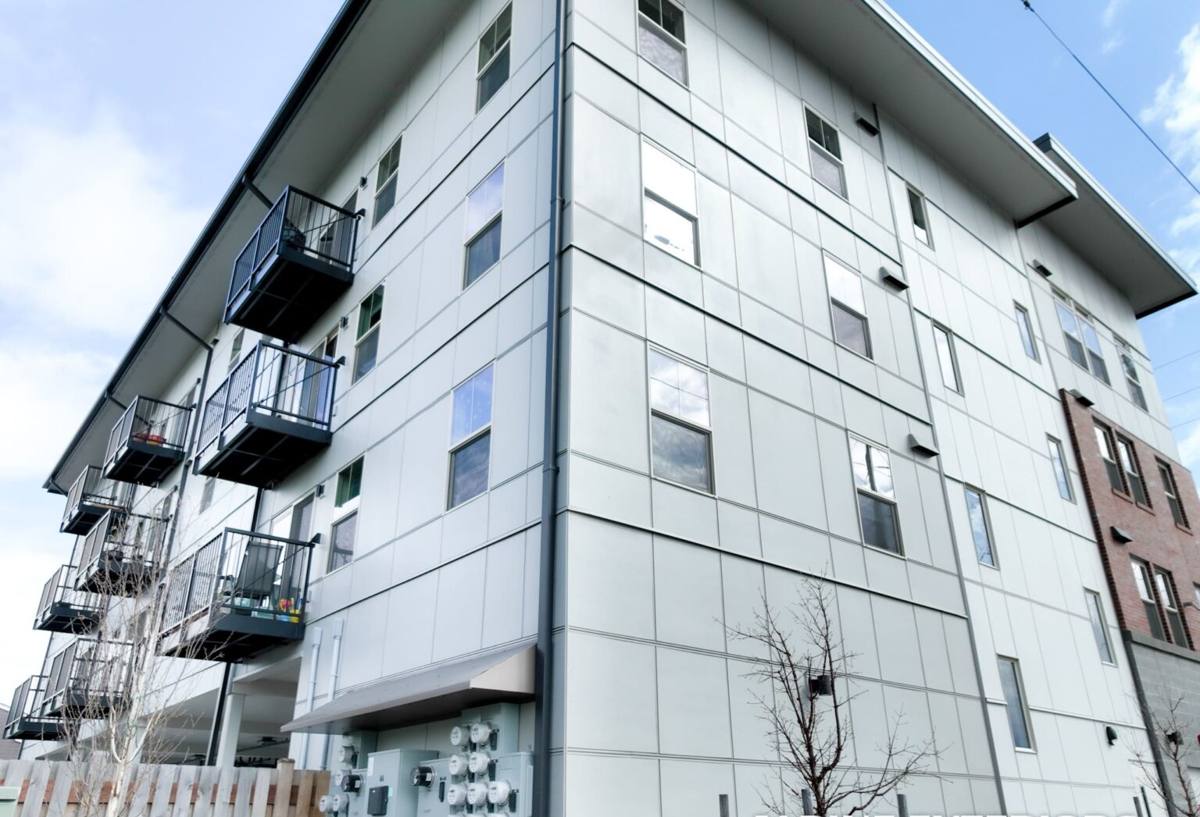
Signs an Everson Home Needs Siding Replacement, Not a Patch
Homeowners often call us thinking they need a repair when the underlying problem is bigger. Here's how to tell the difference before you spend money on the wrong fix:
- Soft or spongy spots when you press on the siding, especially near the bottom courses or around window trim — usually means moisture has already gotten behind the material.
- Persistent moss or dark staining that comes back within a season or two of cleaning, which points to a siding surface that's holding water rather than shedding it.
- Visible gaps, cupping, or warping in individual boards or panels, a common failure mode for wood and some engineered wood products after years of wet-dry cycling.
- Paint that won't hold — if you're repainting more often than every 7-10 years, the substrate underneath is probably failing, not just the paint job.
- Rising energy bills or drafts that trace back to gaps in the exterior wall assembly, not just the windows.
One or two of these can sometimes be spot-repaired. Several at once, or any sign of rot in the sheathing behind the siding, usually means a full replacement is the more honest recommendation — patching over a failing wall just delays a bigger repair bill.
What a Correct Siding Replacement Actually Involves
Siding replacement is not just pulling off old boards and nailing up new ones. A job done right in this climate has several layers that matter as much as the visible siding itself:
Tear-off and inspection
Removing the old siding is also when we find out what's really going on underneath — soft sheathing, missing or failed house wrap, insect damage, or flashing that was never installed correctly the first time. This is the point where a contractor either deals with the real problem or covers it back up.
Sheathing repair
Any wet or compromised sheathing gets replaced before anything new goes on the wall. Installing new siding over damaged sheathing just resets the clock on the same failure.
Weather-resistive barrier
A proper house wrap or weather barrier, installed with correctly lapped seams, is what actually keeps wind-driven rain from reaching your framing. This layer does more of the water-management work than most homeowners realize.
Flashing at every penetration
Windows, doors, hose bibs, vents, and deck ledgers all need flashing detailed so water sheds outward and down, never inward. This is the single most common place we find shortcuts on older installs in this area, and it's usually the root cause of the rot we uncover during tear-off.
Correct fastening and clearances
Fiber cement siding has specific nailing patterns, fastener types, and minimum clearances from grade, roof lines, and decks. Skipping these specs voids manufacturer warranties and shortens the real lifespan of the product, regardless of how good the material itself is.
Why We Install Only James Hardie Fiber Cement
We made a decision years ago to standardize on James Hardie fiber cement siding and stop installing vinyl, LP SmartSide, cedar, primed spruce, or other fiber cement brands. That's a real trade-off worth explaining honestly rather than just asserting.
Vinyl is inexpensive and low-maintenance in the sense that it doesn't need paint, but it's a petroleum-based product that can crack in cold snaps, fade unevenly in UV exposure, and it's not going to hold up as well against the kind of driving, wind-blown rain that comes off the Salish Sea in a winter storm. Wood products — cedar, primed spruce, engineered wood like LP SmartSide — look great going up, but they're organic materials in a climate that stays wet for months at a time, which means ongoing maintenance, repainting, and a real risk of moisture damage if caulking or paint gets neglected even for a season.
James Hardie fiber cement is engineered specifically to handle wet, humid climates. It's non-combustible, it doesn't feed moss and algae growth the way wood fibers can, and it holds its shape and paint line without the expansion and contraction issues that plague vinyl in our temperature swings. Hardie also makes climate-specific HZ product lines engineered for exactly this kind of Pacific Northwest moisture exposure, and their factory-applied ColorPlus finish is baked on under controlled conditions rather than field-painted, which means better fade resistance and a longer stretch between repaints than site-applied paint on wood or fiber cement alternatives. It comes with a strong transferable warranty when installed to Hardie's published specifications — which is exactly why correct installation, not just the material choice, is the other half of this equation.
Our Siding Replacement Process
- On-site assessment — we walk the exterior with you, check for existing moisture damage, and talk through what we expect to find once tear-off starts.
- Written estimate — a clear scope covering tear-off, sheathing repair allowances, weather barrier, flashing details, siding material and profile, and trim work, so there are no surprise change orders later.
- Tear-off and inspection — old siding comes off in sections so we can assess sheathing condition as we go rather than guessing from the outside.
- Repair and prep — any damaged sheathing is replaced, and the weather-resistive barrier goes on with properly lapped seams.
- Flashing and trim — all penetrations get flashed before siding installation begins, not patched afterward.
- Hardie installation — installed to manufacturer nailing patterns, clearances, and joint treatment so the transferable warranty stays intact.
- Final walkthrough — we go over the finished exterior with you before calling the job done.
Cost Factors for Siding Replacement in Everson
Every home is different, but these are the variables that actually move the price on a siding replacement project in this area:
| Factor | Why It Matters |
|---|---|
| Sheathing condition found at tear-off | Hidden rot or water damage behind old siding is common in older homes with failed flashing, and repairing it adds cost that's hard to estimate until the walls are opened up. |
| Siding profile and trim complexity | Lap siding, panel systems, and shingle-style Hardie products all install differently, and homes with more corners, dormers, and trim detail take more labor. |
| Home size and story height | Two-story and multi-gable homes require more scaffolding and staging time than a simple single-story ranch layout. |
| Existing moisture barrier condition | If the current house wrap is intact and correctly installed, some jobs can reuse it; most older homes in wet climates need it fully replaced. |
| Color and finish selection | Factory ColorPlus finishes vary by line, and some specialty colors or textures carry a different cost than standard options. |
Why Hiring a Crew That Already Works in Everson Matters
Siding installation isn't a one-size-fits-all trade. A crew that's spent time working Whatcom County homes already understands the specific failure points we see here — the flashing shortcuts that show up during tear-off, the wall orientations that collect moss fastest, and how much clearance to leave at grade given how wet the ground stays through the winter. That local pattern recognition is the difference between a contractor who's installing siding and one who's actually solving the moisture problem underneath it.
It also matters for accountability. A contractor based near Ferndale and working regularly in Everson has a reputation to protect in this specific community, is easy to reach if a warranty question comes up years down the road, and isn't disappearing after the invoice clears. Ask any siding contractor how many jobs they've done specifically in your town, not just "the region" — the answer tells you a lot.
What Homeowners Should Confirm Before Signing a Contract
- Get the manufacturer and product line specified in writing — "fiber cement" alone isn't enough detail.
- Ask whether the weather-resistive barrier and flashing details are included in the scope, not treated as an upsell.
- Confirm who handles sheathing repair if rot is found during tear-off, and how that's priced.
- Check that the installer is a certified or experienced installer for the specific siding brand being used, since warranties are often tied to correct installation practices.
- Ask for a clear timeline and what happens to the home's weather protection if a storm rolls through mid-project.
Caring for Your New Siding After Installation
James Hardie siding is low-maintenance compared to wood, but "low-maintenance" isn't "no-maintenance," especially in a climate that grows moss on almost anything that sits still.
- Rinse siding annually with a garden hose to clear pollen, dust, and early moss growth before it takes hold.
- Keep gutters clear so overflow doesn't run down the wall face and feed moss or staining.
- Trim back trees and shrubs that shade the siding and keep it damp longer than it needs to be.
- Inspect caulking around trim and penetrations every year or two and have gaps resealed promptly.
- Address any impact damage quickly — small chips left open can allow moisture behind the panel over time.
If your Everson home's siding is showing its age or you just want an honest read on whether repair or replacement makes more sense, we're happy to walk the exterior with you and give you a straight answer. The estimate is free, there's no pressure to commit on the spot, and you'll leave the conversation knowing exactly what your home actually needs.