 Ferndale Exterior
 Siding That Has to Work in Everson's Climate, Not Just Look Good on Day One
Homes in the Everson area near Ferndale sit in a stretch of Whatcom County where the weather doesn't do siding any favors. You've got salt-laden air pushing in off the Strait, long stretches of driving rain in the fall and winter, and a moss season that seems to start earlier every year and hang around longer. Siding here isn't just a cosmetic choice — it's the first line of defense between that weather and the framing, sheathing, and insulation behind it. We install James Hardie fiber cement siding exclusively, and on homes in this area, the reasons for that go beyond a preference. It's about what actually holds up.
This page is specifically about James Hardie siding for homes in and around Everson — what the local climate demands from a siding system, what a correct installation looks like out here, and why working with a crew that already knows this area matters more than it might seem.
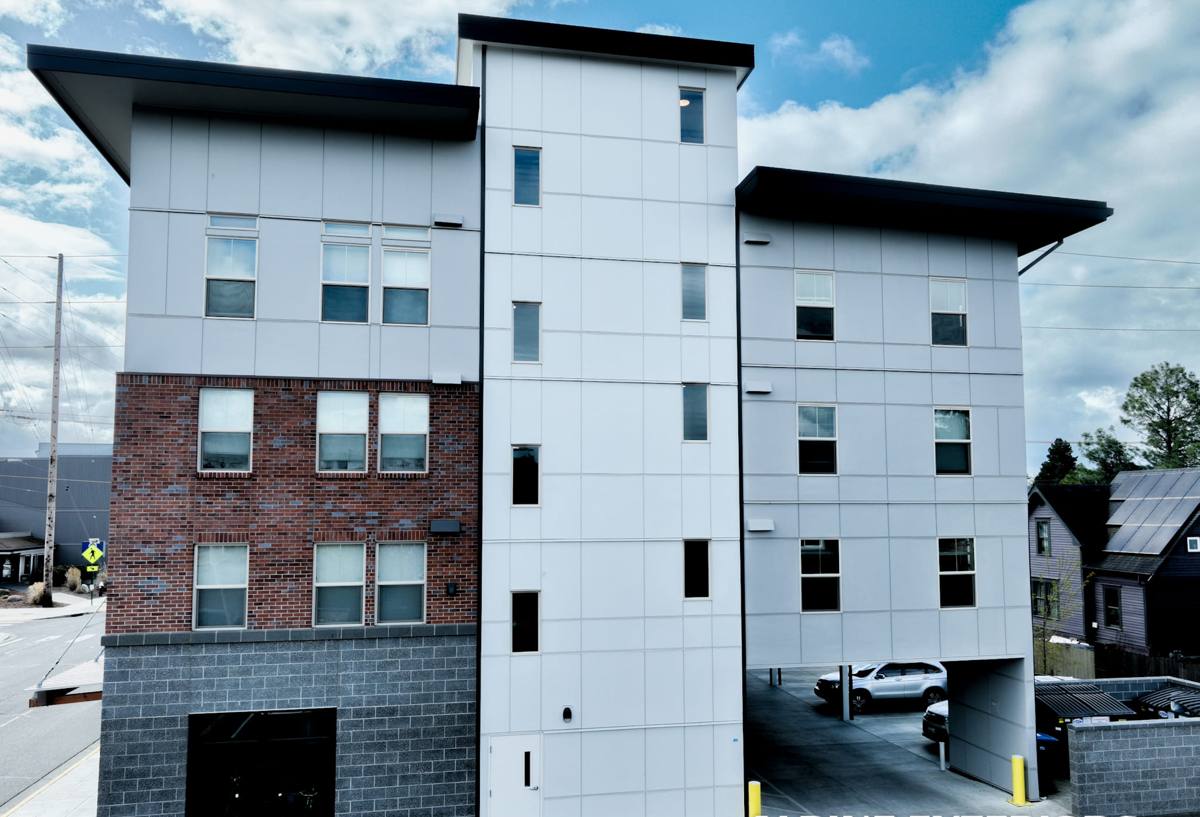
What Everson's Climate Actually Does to Siding
Salt Air and Moisture Load
Even inland from the immediate coastline, homes in this part of Whatcom County deal with salt-influenced air moving in off the water, combined with a marine climate that keeps humidity levels elevated most of the year. Materials that aren't dimensionally stable — or that rely on paint film alone to keep moisture out — start showing stress at the seams, corners, and butt joints first. That's usually where problems begin, not in the middle of a wall.
Driving Rain, Not Just Rain
It's not the total rainfall that causes the most damage — it's wind-driven rain hitting siding at an angle, working its way behind poorly lapped courses or under-caulked trim. Over years, that repeated wetting and drying cycle is what breaks down materials that can't handle moisture exposure at the plane of the wall.
Moss and Organic Growth
Shaded sides of homes, areas under overhangs that don't get direct sun, and anywhere airflow is restricted are prone to moss, algae, and mildew growth for a good chunk of the year. Some siding materials feed that growth or trap moisture underneath it. Others shed it more easily and hold paint or factory finish longer despite it.
Why We Only Install James Hardie Here
James Hardie fiber cement is engineered specifically for the kind of exposure Everson-area homes deal with. It's non-combustible, it doesn't absorb and swell with moisture the way wood-based or wood-fiber products can, and it holds its factory-applied ColorPlus finish far longer than field-applied paint holds up on other materials. For a home dealing with salt air, driving rain, and a long moss season, those aren't marketing points — they're the actual mechanical reasons the material performs.
We don't install LP SmartSide, vinyl, Cemplank, Allura, primed spruce, or cedar. That's a standard we hold across every job, not just this one. Each of those products has legitimate strengths, but none of them combine the moisture resilience, finish durability, and long-term warranty backing that James Hardie offers — and in a climate that punishes weak points, we'd rather stand behind one system we trust completely than offer several and hope one works out.
James Hardie Product Lines Suited to This Climate
| Product Line | Best Use on Everson-Area Homes | Why It Fits |
|---|---|---|
| HardiePlank Lap Siding (HZ10) | Primary wall cladding | Engineered for wetter, cooler climate zones; resists moisture-driven damage |
| HardiePanel Vertical Siding | Accent walls, gables, modern facades | Clean lines, fewer horizontal laps for water to work into |
| HardieTrim Boards | Corners, window and door trim, fascia | Matches expansion/contraction rate of the field siding, reducing seam failure |
| HardieShingle Siding | Accent gables, decorative sections | Shadow-line detail without the moisture risk of real wood shingle |
What Correct Installation Looks Like on an Everson Home
James Hardie siding performs the way it's rated to perform only when it's installed to the manufacturer's specifications. This is where a lot of the real-world difference between a good siding job and a problem job actually comes from — not the material itself.
- Weather-resistive barrier done right: A correctly lapped and sealed house wrap or building paper behind the siding, with proper integration at windows, doors, and penetrations — this is the actual moisture management layer, and it has to be right before the first board goes up.
- Proper clearances: Hardie specifies minimum clearances from grade, roof lines, decks, and patios. Skipping these is one of the most common shortcuts that leads to moisture problems years later, especially with our rain volume.
- Correct fastening pattern: Nailing too high, too low, or with the wrong fastener spacing affects both the warranty and the siding's wind and moisture resistance.
- Joint and seam treatment: Butt joints, corners, and trim intersections need to be sealed and flashed correctly — not just caulked and painted over.
- Factory-finished color integrity: ColorPlus finish is baked on at the factory specifically so it doesn't need field painting, but cut edges and any field modifications need to be treated with Hardie's touch-up products to maintain that protection.
Skip any one of these steps and you can end up with a home that has "Hardie siding" but doesn't get the performance or the warranty protection that a correct installation delivers.
Our Process for Everson-Area James Hardie Projects
1. On-Site Assessment
We walk the property, check existing siding and sheathing condition, look at grading and drainage around the foundation, and identify any moisture damage that needs to be addressed before new siding goes up — not covered over.
2. Product and Color Selection
We help homeowners choose the right Hardie product line and ColorPlus color for their home's exposure, style, and the practical realities of moss and staining in shaded areas.
3. Tear-Off and Prep
Old siding comes off, sheathing is inspected and repaired as needed, and the weather-resistive barrier is installed and detailed around every window, door, and penetration.
4. Installation to Spec
Siding, trim, and flashing go up following James Hardie's published installation requirements — clearances, fastening, and joint treatment included, not skipped for speed.
5. Final Walkthrough
We review the completed work with the homeowner, cover basic care and what to expect over the coming seasons, and make sure warranty registration is handled correctly.
Why It Matters That We Already Work in This Area
A crew that regularly works Everson and the surrounding Ferndale area already understands the wind exposure differences between an open lot and a tree-sheltered one, which sides of a house tend to hold moss longest, and how local drainage and grading tend to run. That's not something you get from a general contractor working the region for the first time. It shows up in small decisions — where extra flashing attention matters most, which elevations need closer joint sealing, how clearances should be handled given the specific lot — that add up to a siding job that actually performs for the next few decades instead of just the first few years.
Maintenance Realities for This Climate
Even the right siding, installed correctly, still needs basic upkeep in a climate like this one. James Hardie siding is far lower-maintenance than wood-based alternatives, but "low-maintenance" isn't "no-maintenance."
- Rinse siding periodically to remove salt residue and organic buildup, especially on shaded or north-facing walls
- Keep gutters and downspouts clear so water isn't sheeting down the siding face during heavy rain events
- Trim back vegetation and tree cover that keeps sections of the wall damp and shaded longer than necessary
- Inspect caulking at trim and penetrations every year or two and have it refreshed before it fails, not after
- Address any moss or algae growth early with appropriate cleaning methods rather than pressure-washing aggressively, which can damage the finish
Cost Factors Homeowners Should Understand
| Factor | Why It Affects Cost |
|---|---|
| Amount of tear-off and disposal | Removing existing siding and hauling it away adds labor and disposal costs |
| Sheathing or framing repair | Hidden moisture damage found during tear-off has to be repaired before new siding goes on |
| Home complexity | Dormers, multiple gables, and cut-up wall lines take more trim work and labor time |
| Product line and profile | Lap width, panel style, and trim details vary in material cost |
| Accessibility | Multi-story sections, steep lots, or limited staging area affect equipment and labor time |
We won't quote a number without seeing the home, but we're always upfront about what's driving the cost on a given project and why — no padded estimates, no vague allowances.
Ready to Talk About Your Home?
If you're considering new siding for a home in the Everson area near Ferndale, we're happy to come take a look, walk you through what we're seeing, and put together a straightforward estimate — no pressure, no sales script. Just an honest read on what your home needs and what a correct James Hardie installation would involve. Reach out using the form below to get started.