 Ferndale Exterior
 James Hardie Siding Built for Lummi Nation's Exposure
Lummi Nation sits out on the peninsula west of Ferndale, close enough to open water that its homes take a heavier, more constant version of the weather the rest of Whatcom County only sees in patches. Salt-laden air moves in off the bay with almost no windbreak, rain arrives sideways as often as it falls straight down, and shaded, damp terrain keeps moss and mildew active for most of the year. This page is about one thing specifically: what it takes to install James Hardie fiber cement siding correctly on a home in this exposure, and why the material and the installation detail both matter more here than they would a few miles inland.
We install James Hardie exclusively, on every siding job we take, in every part of our service area. For Lummi Nation properties, the reasoning behind that standard shows up faster and more clearly than almost anywhere else we work.
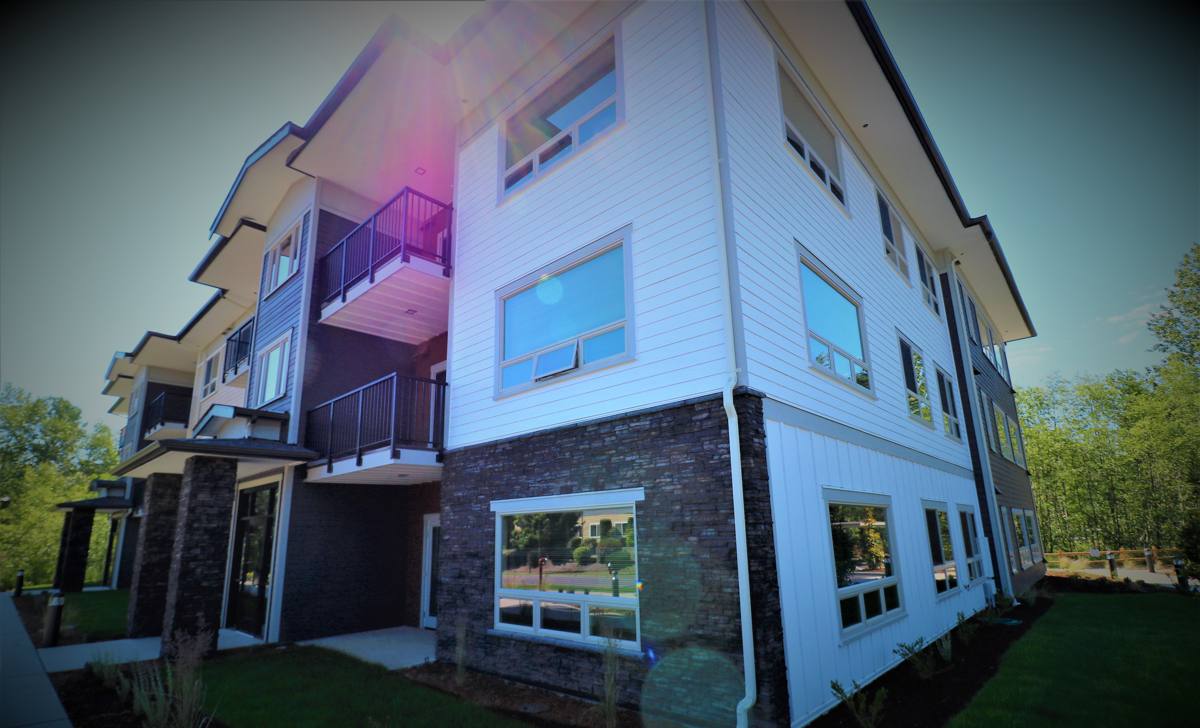
What This Exposure Does to Siding Over Time
Salt Air and Corrosion
The closer a home sits to open water, the more salt-laden moisture settles on its exterior surfaces day after day. That salt accelerates corrosion in fasteners, flashing, and trim hardware, and it breaks down lower-grade paints and coatings faster than a drier, more sheltered site ever would. Siding systems and finishes that aren't built with this in mind tend to show it early: chalky or faded color, rust bleeding from nail heads, and trim failing years before it should.
Wind-Driven Rain
Open water exposure means less windbreak, and less windbreak means rain gets pushed sideways into lap joints, trim seams, and any gap where flashing isn't doing its job. That's a harder test than a simple rainfall total suggests, because the water isn't just falling on the wall, it's being driven into it. Siding and flashing details that hold up fine on a calmer, more sheltered lot can still fail here if they weren't installed with that wind load in mind.
A Long Moss and Mildew Season
Peninsula terrain, tree cover in places, and near-constant dampness combine to keep moss and mildew active on Lummi Nation homes longer than in drier parts of the county. It shows up first on north-facing and shaded walls, and it's more than a cosmetic problem — sustained organic growth holds moisture against the wall assembly, which is exactly the condition that leads to rot behind the siding if it isn't addressed.
Why James Hardie Is the Right System for This Exposure
We used to install a wider range of siding products. We narrowed to one system after watching, over repeated jobs, which materials actually held up under sustained coastal exposure and which ones quietly didn't. Here's what a James Hardie fiber cement system brings to a Lummi Nation property specifically:
| Hardie Feature | What It Does | Why It Matters on This Peninsula |
|---|---|---|
| Non-combustible fiber cement core | Doesn't feed a fire the way wood-based siding can | Matters for household safety and insurance underwriting on any property, waterfront included |
| Factory-applied ColorPlus finish | Color and coating are baked on under controlled conditions | Resists salt exposure and UV far longer than paint applied on site |
| Climate-engineered HZ5 formulation | Built for regions with heavy, sustained moisture and freeze-thaw cycling | A close match for a Lummi Nation waterfront or near-waterfront lot |
| Dimensional stability | Doesn't swell, cup, or warp with repeated wet-season moisture cycles | Matters more here given how long the wet season actually runs |
| Transferable warranty | Manufacturer backing tied to correct installation | Real protection for the homeowner, not just marketing language |
We don't install LP SmartSide, vinyl siding, Cemplank, Allura, primed spruce, or cedar. Each has a place in the broader siding market, and each has satisfied owners somewhere. But on a peninsula lot taking this much sustained salt and wind-driven moisture, we made a professional call that one system we trust completely is worth more than a lower-cost option that quietly shifts maintenance risk back onto the homeowner a few years down the line.
Choosing the Right Hardie Profile
James Hardie makes several siding profiles, and the right one for a given Lummi Nation home depends on the house's style and exposure, not just personal preference:
- HardiePlank lap siding — the most common choice, available in several plank widths and textures, and a strong fit for most single-family homes on the peninsula.
- HardieShingle — a shingle-profile option for homes going for a more traditional coastal look without the moisture problems that real wood shingle brings.
- HardiePanel — vertical panel siding, often paired with lap siding as an accent, useful on gable ends and specific architectural details.
- HardieTrim — fiber cement trim boards that match the siding's resistance to salt and moisture, used around windows, corners, and fascia instead of wood trim that will fail faster in this exposure.
What a Correct Installation Involves Here
Material choice only gets a Lummi Nation home halfway there. The rest comes down to installation detail, and on an exposed lot, shortcuts here show up faster — sometimes within a single wet season instead of several. A correct James Hardie install on this peninsula includes:
- Fastening patterns rated for higher wind exposure, not just the manufacturer's minimum spec for a sheltered site
- Proper clearance from grade, roofline, and any deck or porch surfaces so moisture has somewhere to go instead of wicking into the plank
- Joints that are correctly lapped, backed, and sealed rather than simply butted together and caulked over
- House wrap and flashing systems installed to actually shed water on their own, with sealant used as a backup rather than the primary defense
- Factory-primed and factory-painted ColorPlus edges maintained wherever possible, with any field-cut edges properly primed and sealed before installation
- Correct nailing depth and placement, since overdriven or underdriven fasteners are one of the most common causes of early siding failure on any home, exposed or not
On a home this close to open water, we also pay close attention to which elevations take the most direct rain and wind, and we adjust flashing and joint treatment accordingly instead of installing every wall the same way regardless of exposure.
Our Process for a Lummi Nation Siding Job
- On-site walk-through: we look at the existing siding, trim, flashing, and any signs of trapped moisture before recommending anything.
- Honest scope assessment: we tell you whether you're looking at a repair, a partial re-side, or a full tear-off, based on what we actually find, not on which answer is more profitable.
- Written estimate: a clear, itemized quote with no pressure to sign immediately.
- Substrate check and repair: once old siding comes off, we address any rot, damaged sheathing, or failed house wrap before anything new goes up.
- Installation to spec: fastening, flashing, and joint work done to the standard this exposure requires, not the minimum that would pass on a calmer inland lot.
- Final walk-through and warranty registration: we review the finished work with you and register the installation so the manufacturer warranty is properly in place.
Repair, Partial Re-Side, or Full Tear-Off — How We Decide
Not every siding issue on a Lummi Nation home calls for a full tear-off. Storm-damaged sections, an isolated trim failure around a window, or a section that's taken impact can often be repaired and matched into existing Hardie siding without touching the rest of the wall. But when water has been tracking behind the wall for a while, or the home still has an older, non-Hardie product nearing the end of its service life, patching it usually just delays a larger job while hidden rot keeps spreading underneath. We'll tell you which situation you're actually in before we recommend a scope, and we'll show you what we find during the walk-through so the decision isn't just taking our word for it.
Cost Factors for a James Hardie Job in Lummi Nation
| Factor | What It Affects | Why It Matters Here |
|---|---|---|
| Distance from open water | Salt and wind exposure level | Waterfront and near-waterfront lots see faster material degradation and higher wind loads than sheltered inland sites |
| Tear-off vs. overlay | Labor scope and substrate access | Tear-off reveals hidden moisture and rot damage that's common under older siding on exposed lots |
| Substrate condition | Repair costs before new siding goes on | Long-term trapped moisture can rot sheathing and framing behind the wall |
| Hardie profile selected | Material cost and labor time | Lap, shingle, and panel profiles differ in material cost and installation time |
| Site access | Labor time and equipment needs | Some peninsula lots have limited access, steeper grades, or tighter staging areas |
Exact pricing depends on the specific property and its exposure, which is why we walk the home in person before giving a real number rather than quoting off a generic price sheet.
Why a Crew That Already Works Lummi Nation Matters
A crew that works this specific stretch of Whatcom County regularly understands how salt air, wind-driven rain, and a long moss season behave on real homes here over a full year, not just how a product performs on a manufacturer's spec sheet. That experience shows up in practical decisions on install day: which wall orientations stay wet longest, where extra flashing attention actually pays off, and which fastening details are worth the added time so a homeowner isn't dealing with a callback after the first hard winter storm. Lummi Nation's proximity to open water means it sees a heavier version of the same challenges the rest of Ferndale deals with, and a crew that treats that difference seriously — instead of applying a one-size-fits-all approach built for a calmer site — is what makes the difference between siding that looks good on installation day and siding that still looks good in ten years.
If your Lummi Nation home needs new James Hardie siding, a repair, or just an honest look at what's happening behind an aging wall, we're glad to take a look. Reach out using the form below to schedule a free, no-pressure estimate.