 Ferndale Exterior
 Window Replacement for Homes Near the Water in Lummi Nation
Homes in and around Lummi Nation sit closer to open water than almost anywhere else in the Ferndale service area. That location is part of what makes the peninsula beautiful, and it's also what makes windows here wear out faster than the same products would inland. Salt-laden air off Bellingham Bay and the Strait of Georgia, wind-driven rain that hits window walls at an angle instead of straight down, and a moss and mildew season that stretches through most of the fall, winter, and spring all put extra stress on frames, seals, and hardware. A window that would coast through twenty problem-free years in a drier, more sheltered part of Whatcom County can start failing in half that time out here if it wasn't built or installed with that exposure in mind.
This page is about that one job — replacing windows on homes in the Lummi Nation area — and what it actually takes to do it right given the climate these houses sit in.
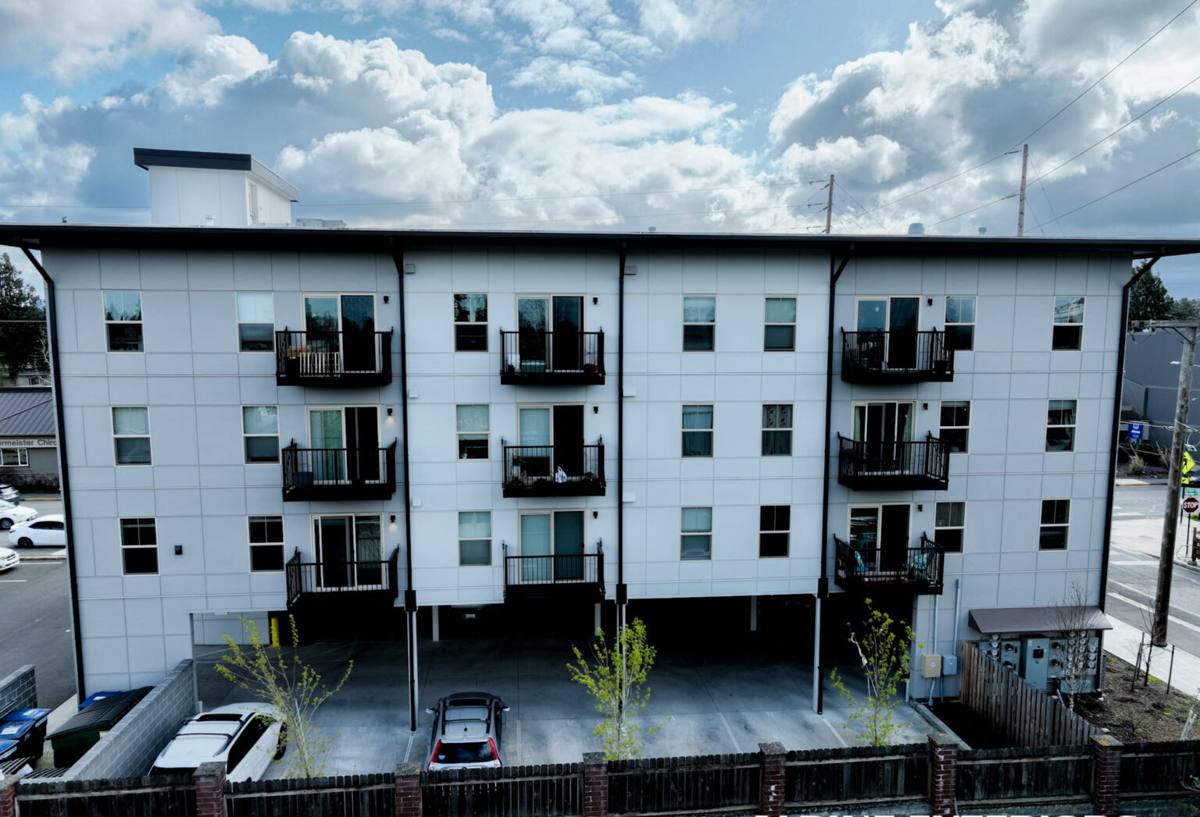
What the Marine Climate Does to Windows Here
It helps to understand the specific ways this environment attacks a window, because it changes what "good" looks like when you're comparing bids or products.
Salt Air
Airborne salt is corrosive to metal hardware — hinges, cranks, locks, and especially unprotected or lower-grade aluminum components. It also accelerates the breakdown of some sealants and finishes over time. Windows closer to the waterline take the brunt of this, but salt air travels well inland on a stiff breeze, so even homes set back from the shoreline see accelerated wear compared to houses in Bellingham's inland neighborhoods.
Driving Rain
Storms coming off the water don't just drop rain straight down — they push it sideways into siding and window openings under real pressure. That kind of wind-driven rain finds any weak point in flashing, caulking, or a window's own weep system. A window that would stay dry in a calm rain can leak in a driving one if the flashing details around it aren't built for lateral water pressure.
Moss and Prolonged Dampness
Whatcom County's wet season runs long, and homes shaded by trees or facing north often stay damp for weeks at a stretch. Moss and algae take hold on sills, tracks, and any horizontal surface that doesn't dry out between storms. Left alone, that moisture holds against wood trim and frame material, which is where rot gets started — usually invisible from inside the house until it's advanced.
Signs Your Windows Are Losing That Battle
Most window failure out here doesn't announce itself with a shattered pane — it shows up as slow, quiet deterioration. Worth checking for:
- Fogging or a permanent haze between panes of double- or triple-glazed glass (a sign the seal has failed and the gas fill is gone)
- Soft, spongy, or discolored wood at the sill or lower corners of the frame
- Paint or finish bubbling or peeling specifically on the exterior face of the frame
- Drafts you can feel with a hand held near the frame edge on a windy day
- Windows that stick, won't stay open, or need force to latch — a sign the frame has shifted or swollen
- Visible moss, algae, or persistent black staining on the sill or bottom rail
- Noticeably higher heating bills in winter with no other explanation
- Condensation forming on the inside of the glass regularly, even in normal indoor humidity
One or two of these on an otherwise healthy window might just mean a repair or reseal. Several at once, especially soft wood or failed seals, usually means the window has reached the end of its useful life.
What a Correct Job Involves
Window replacement on a coastal-exposed home isn't just swapping an old sash for a new one. The parts of the job that matter most are the ones you can't see once it's finished.
Removal Without Hidden Damage
Pulling the old window is also the first inspection point. We check the sheathing and framing around the opening for water damage or rot before anything new goes in — installing a new window over a compromised opening just hides a problem that gets worse behind the wall.
Flashing and Weatherproofing
This is the step that matters most for driving-rain exposure. Proper flashing tape and a correctly lapped weather-resistant barrier direct any water that gets past the window itself back out, not into the wall cavity. On a home taking direct wind and rain off the water, this detail is not optional — it's the difference between a window that stays dry for decades and one that causes a rot problem five years down the road.
Sealing and Insulation
The gap between the new window frame and the rough opening gets sealed and insulated properly, not just caulked around the visible trim. A gap packed with the wrong material, or left too tight or too loose, becomes both a draft point and a place moisture can collect.
Hardware and Glass Package
Given the salt exposure here, hardware finish and material matter more than they would inland. We favor corrosion-resistant hardware and glass packages suited to a marine climate — appropriate Low-E coatings and gas fills that hold up to temperature swings without adding cost for performance this climate doesn't need.
Comparing Frame Materials for This Environment
There's no single "best" window material for every home — it depends on your budget, your home's style, and how exposed the specific window is. Here's how the common options hold up under salt air, driving rain, and a long wet season:
| Material | How It Handles This Climate | Maintenance | General Cost Position |
|---|---|---|---|
| Vinyl | Won't rust or corrode from salt air; handles moisture well with no paint to maintain | Low — occasional cleaning | Most affordable |
| Fiberglass | Very stable in temperature swings, strong resistance to moisture and salt exposure | Low | Mid to upper range |
| Aluminum | Can corrode over time without a marine-grade finish; conducts cold, which matters in winter | Moderate — watch hardware and finish | Mid range |
| Wood (clad exterior) | Warm appearance, but exposed wood surfaces are the most vulnerable to rot from prolonged dampness and moss | Highest — regular inspection and finish upkeep | Upper range |
For homes with direct water exposure or heavy shade where moss and dampness linger, we generally steer customers toward vinyl or fiberglass for anything but showcase or historically-styled openings. That's a maintenance-and-moisture judgment, not a knock on wood or aluminum windows built well — it's about matching the material to how much upkeep this specific climate is going to demand of it.
What Drives Cost on a Job Like This
Every home and every opening is different, so we don't quote sight-unseen. But the main factors that move price up or down are consistent:
| Factor | Why It Matters |
|---|---|
| Frame material and glass package | Vinyl runs lower than fiberglass or clad wood; upgraded Low-E and gas fills add cost |
| Condition of the existing opening | Rot or water damage found during removal adds repair work before the new window can go in |
| Window size and style | Larger openings, custom shapes, and operable styles like casements generally cost more than standard double-hungs |
| Number of windows | Doing a whole house at once typically brings a better per-window price than one-off replacements |
| Access and exposure | Upper-story or hard-to-reach openings on wind-exposed walls take more time and care to flash correctly |
We'll walk through these specific to your home during the estimate so you know exactly what you're paying for and why.
Our Process, Start to Finish
- Walkthrough and assessment — we look at every window you're considering replacing, check for existing damage, and talk through what's driving the decision (comfort, appearance, energy use, or visible failure)
- Straightforward estimate — a written quote that spells out material, glass package, and scope, with no pressure to decide on the spot
- Scheduling — we plan installation around the weather where we can, since flashing and sealing work goes best in a dry window
- Removal and inspection — old windows come out, and we check the opening before anything new goes in
- Installation — proper flashing, sealing, insulation, and hardware set to hold up to this specific climate
- Cleanup and walkthrough — we clean up the work area and go over the finished job with you before we call it done
Why Working With a Crew That Already Knows This Area Matters
A contractor who mostly works drier, more sheltered neighborhoods can still do competent work, but they may not default to the flashing details, hardware choices, or material recommendations that this specific exposure calls for. Crews that regularly work homes in Lummi Nation and along the rest of the Whatcom County coastline have already seen what salt air does to the wrong hardware, what driving rain does to a poorly flashed opening, and what a few seasons of unmanaged moss and moisture does to a sill. That experience shows up in the small decisions made during the job that you won't see or think about later — because the window just performs the way it's supposed to.
Living With Your New Windows: Simple Upkeep for This Climate
New windows built and installed correctly for this environment shouldn't need much, but a little seasonal attention goes a long way given the moss and dampness typical here:
- Rinse salt residue off exterior glass and frames periodically, especially after storms
- Clear debris and moss buildup from sills and tracks before it holds moisture against the frame
- Check weep holes (the small drainage openings at the base of the frame) to make sure they're clear and draining
- Operate hardware a few times through the winter so cranks and locks don't seize up
- Have caulking and exterior sealant checked every few years, since sun and salt exposure break it down faster here than inland
None of this is heavy maintenance — it's the kind of occasional attention that keeps a properly installed window performing for its full lifespan in a climate that's harder on windows than most.
Ready for a Straight Answer on Your Windows?
If your windows are fogging, drafty, sticking, or just showing their age, we're happy to take a look and give you an honest read on whether it's a repair situation or time to replace — no pressure, no hard sell. Reach out for a free estimate using the form below, and we'll walk you through exactly what your home needs.