 Ferndale Exterior
 Custom Windows Built for the Way Lynden Actually Weathers
Lynden sits inland from Bellingham Bay, but "inland" in Whatcom County still means a lot of moisture. Homes here go through long stretches of steady rain, damp shoulder seasons, and the kind of humidity that settles into window sills and never quite dries out until summer. Custom windows aren't a luxury item in this area so much as a practical answer to a specific set of conditions: older farmhouse-style openings that don't match anything on a big-box shelf, additions with odd rough openings, and a climate that punishes any window that wasn't installed with drainage and sealing in mind.
When we say "custom" we mean windows built and installed to the actual dimensions and conditions of your house, not the nearest standard size with shims and extra caulk to make up the difference. For a lot of Lynden homes — especially older farmhouses, converted outbuildings, and additions built at different times by different crews — that's the only way to get a window that actually seals and performs the way it's supposed to.
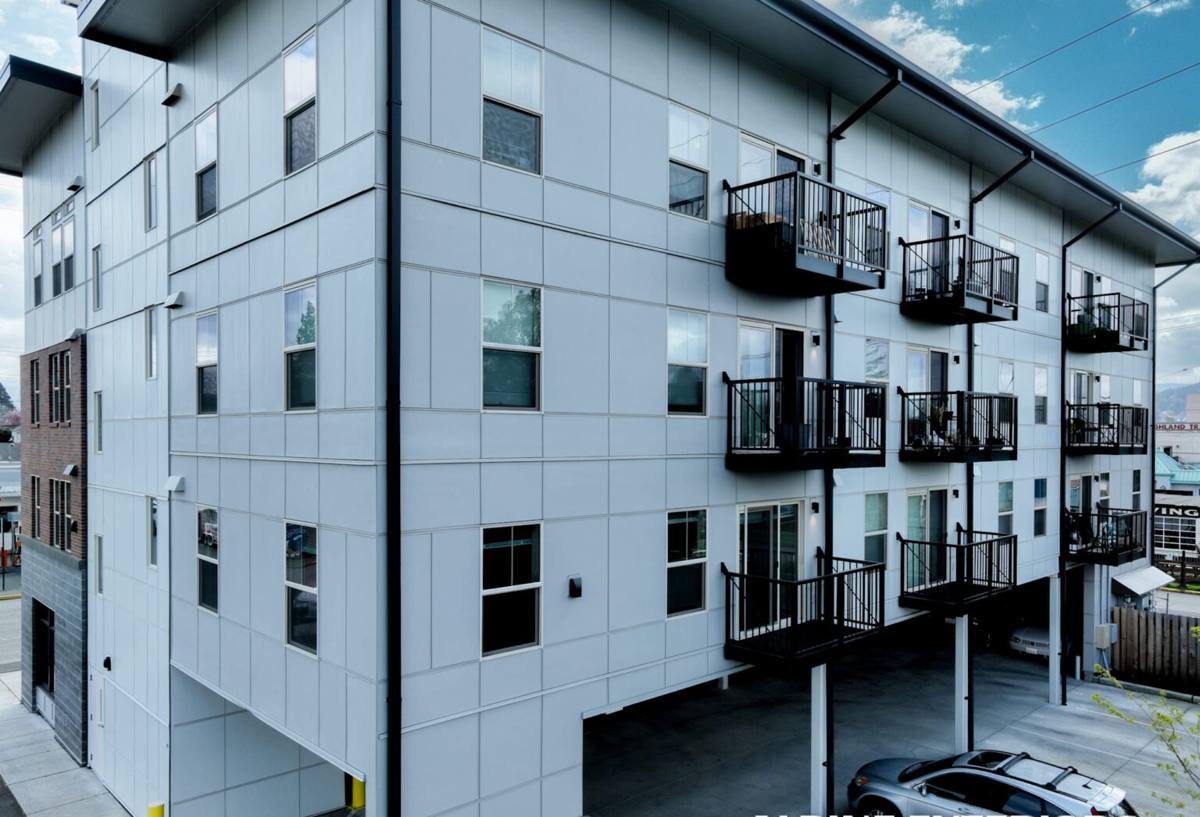
What Whatcom County's Climate Does to Windows Over Time
Windows fail slowly, and the failure usually starts with water, not glass. A few things specific to this region matter more than people expect:
Driving Rain and Wind-Driven Moisture
Storms coming off the Strait of Georgia and Puget Sound don't just fall straight down — wind pushes rain sideways into siding and window openings for hours at a time. A window that relies on caulk alone, without proper flashing behind it, will eventually let water behind the frame. That's when rot starts, and it's almost always invisible until the trim or sill is already soft.
Long Moss and Mildew Season
Whatcom County's wet season runs long, and anything horizontal — sills, tracks, exterior trim — stays damp for weeks at a stretch. That feeds moss and mildew growth on wood surfaces and can leave mineral staining on vinyl and fiberglass finishes if water isn't shedding and draining the way it should.
Coastal Air, Even a Few Miles Inland
Lynden isn't waterfront, but the broader region — including Ferndale and the Bellingham Bay shoreline — deals with salt-tinged air that can accelerate corrosion on lower-grade hardware, screens, and fasteners. It's a smaller factor here than it is right on the water, but it's part of why we don't cut corners on hardware specs for any home we work on in the county.
Temperature Swings and Condensation
Cold, damp nights followed by warmer, humid days create ideal conditions for interior condensation on older or poorly sealed glass. That moisture doesn't just fog the glass — over years it can wick into the sash and frame material.
What "Correct" Looks Like for a Custom Window Job
A correct custom window installation in this climate comes down to three things working together: the right product for the opening, precise measurement and fit, and water management details that most homeowners never see once the trim goes back on.
- Accurate field measurement of every opening — no assuming openings are square or identical, even in the same wall
- A sill pan or sloped sill detail that gives any water that gets past the window somewhere to go
- Flashing tape or building paper integrated with the existing water-resistive barrier, not just caulked over it
- Backer rod and sealant sized correctly for the gap, not oversized caulk beads used to hide a bad fit
- Shimming and fastening that keeps the frame square and doesn't rack it during installation
- Weep holes and drainage paths left clear, not sealed shut by trim or paint
- Interior and exterior trim reinstalled or replaced to match the home, not left gapped or caulked as a shortcut
Skip any one of these and the window can still look fine for a year or two before problems show up. That lag is exactly why so many water-damage issues we see started with an installation shortcut nobody flagged at the time.
Choosing Frame Material for a Lynden Home
There's no single "best" window material — it depends on the home's age, style, and how much upkeep you want to take on. Here's how the common options stack up for this climate specifically.
| Frame Material | Moisture Behavior | Maintenance | Best Fit |
|---|---|---|---|
| Vinyl | Won't rot; can expand/contract with temperature swings | Low — occasional cleaning | Budget-conscious replacements, newer or updated homes |
| Fiberglass | Very stable in wet, variable climates; resists warping | Low | Homes wanting durability without wood upkeep |
| Wood-clad | Good if cladding and flashing details are correct; interior wood needs protection from condensation | Moderate — finish and seal checks over time | Older or historic-style homes wanting a traditional look |
| Aluminum | Conducts cold and can condensate more without thermal breaks | Low, but corrosion risk near coastal air without quality coatings | Specific architectural or commercial-style applications |
For most Lynden homes, we lean toward vinyl or fiberglass for straightforward replacements, and wood-clad when the goal is matching an older farmhouse's original character. Whatever the material, the installation details above matter more to long-term performance than the material choice itself.
Glass Packages Worth Considering Here
Glass is where a lot of the real performance difference lives, especially in a climate with long damp seasons and cool, wet winters.
Double-Pane vs. Triple-Pane
Double-pane with a quality Low-E coating and argon gas fill is the standard upgrade from older single-pane or worn double-pane units, and it's enough for most homes here. Triple-pane adds meaningful insulation value and can help reduce interior condensation on colder nights, but it comes at a real cost and weight increase — worth discussing based on which side of the house the window faces and how exposed it is.
Low-E Coatings
Low-E coatings help control heat transfer in both directions — keeping interior heat in during our cool, wet winters and blocking some solar gain in summer. For west- and south-facing windows that catch afternoon sun, this makes a noticeable difference in comfort.
Condensation Resistance
Given how often this area sees the cold-night, humid-day pattern that drives interior condensation, we pay close attention to the condensation resistance rating on any glass package we quote, not just the U-factor. A window that scores well on insulation but poorly on condensation resistance can still end up with a fogged, dripping sill on the wrong morning.
How We Handle a Custom Window Project in Lynden
Every job starts the same way: an in-person look at the actual openings, not a phone estimate. That matters more here than in newer subdivisions because so much of the housing stock in and around Lynden includes additions, farm buildings converted to living space, and older openings that have settled or shifted over the decades.
Assessment and Measurement
We check the condition of the existing framing, sill, and any signs of past water intrusion before we ever talk about window styles. If there's rot or moisture damage behind the current window, that gets addressed as part of the job — installing a new window over a compromised opening just delays the same problem.
Product Selection
We walk through material, glass package, and style options based on your home's exposure — which direction it faces, how much wind-driven rain it typically takes, and whether you're trying to match existing trim and sightlines or willing to update them.
Installation
This is where the water-management details from earlier in this page get executed — sill pans, flashing integration, correct sealant, and drainage paths left open. We tie the new window's flashing into the existing siding and building paper so water sheds past the opening the way it's supposed to, not just around it.
Finish and Walkthrough
Interior and exterior trim gets finished to match the home, and we walk through operation, locking hardware, and any maintenance points specific to the product installed.
Maintenance That Actually Matters in This Climate
A correctly installed custom window still needs some basic upkeep to perform well through Whatcom County's wet seasons:
- Clear weep holes and drainage tracks of debris, moss, and dirt at least once or twice a year
- Wipe down and inspect sills during the wettest months for standing water or early mildew
- Check exterior caulking and sealant lines annually for cracking or separation, especially after a hard winter
- Keep gutters and downspouts clear so roof runoff isn't dumping extra water directly onto window heads
- Operate locks and hardware periodically even on windows you don't open often, to keep seals compressing evenly
None of this is complicated, but skipping it is how a well-installed window still ends up with a moisture problem after a decade of neglect.
Why Local Installation Experience Matters for Lynden Homes
Window installation quality depends heavily on understanding how a specific region's weather actually behaves, not just following a generic install manual. A crew that works Whatcom County regularly knows how wind-driven rain moves across this area, how long the moss season really runs, and what older Lynden-area homes tend to have hiding behind their existing trim — settled framing, past patch jobs, or flashing that was never installed correctly the first time.
That local pattern recognition shows up in small decisions during a job: how a sill pan gets sloped, where extra flashing tape goes on an exposed wall, which openings need a closer look before anyone orders glass. It's the difference between an installation that looks right on day one and one that's still performing correctly ten winters from now.
If you're weighing custom windows for a Lynden-area home, we're happy to take a look and talk through honest options for your specific openings and exposure — no pressure, no generic sales pitch. Use the form below to request a free estimate.