 Ferndale Exterior
 Building Decks That Hold Up in Nooksack's Wet Climate
Nooksack sits in one of the wettest corners of Washington State, and a deck built here has to earn its keep. Between long stretches of driving rain, heavy fall and winter moisture, and a moss season that seems to start earlier every year, outdoor structures in Whatcom County take on a different kind of wear than they would in a drier climate. A deck that looks fine on installation day can start showing problems within a couple of seasons if the framing, fasteners, and decking material weren't chosen with this climate in mind.
Ferndale Exterior Company builds custom decks for homeowners throughout the Nooksack area, and we approach every project the same way: figure out what the site and the weather are going to do to this deck over the next twenty years, then build accordingly. That means paying as much attention to what's underneath the deck boards as to what's on top.
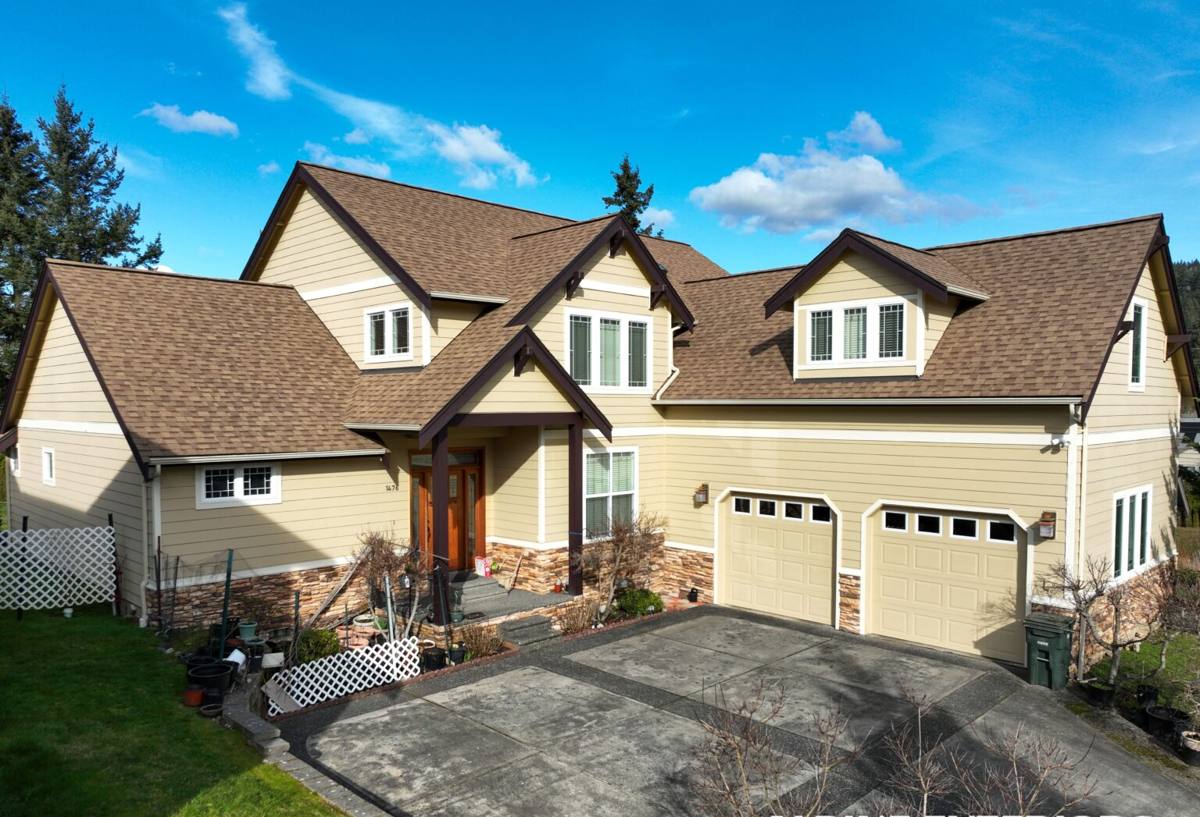
What Local Homes Actually Need From a Deck
Every deck we build in this region has to deal with the same basic set of challenges, whether it's a small entry deck or a full backyard structure meant for entertaining.
Constant Moisture Exposure
Rain in Whatcom County isn't just frequent — it's prolonged. Boards, joists, and posts here spend far more of the year damp than dry. Materials and fasteners that would perform adequately in a drier climate can fail faster when they rarely get a chance to fully dry out between storms.
Moss and Algae Growth
A long moss season means shaded or north-facing decks in particular collect a green film that isn't just cosmetic. Moss holds moisture against the deck surface and makes boards slick and slippery, which is a real safety issue on stairs and ramps.
Salt Air Considerations
Whatcom County's proximity to the Strait of Georgia and Bellingham Bay means salt-laden air reaches inland further than a lot of homeowners expect. Salt air accelerates corrosion on lower-grade fasteners, hardware, and hidden metal connectors — the kind of failure you don't see until a railing post starts to wobble.
Freeze-Thaw Cycling
It doesn't get brutally cold here, but the region does see enough freeze-thaw cycling in winter to stress footings and joints that weren't installed with proper drainage and expansion in mind.
Decking Material Comparison
There's no single "best" decking material — there's a best material for a given budget, sun exposure, and maintenance appetite. Here's how the common options stack up for a wet, mossy climate like ours.
| Material | Moisture Behavior | Maintenance | Typical Lifespan |
|---|---|---|---|
| Pressure-treated lumber | Absorbs and releases moisture readily; needs sealing to control swelling and checking | Annual cleaning and re-sealing recommended | 15-25 years with upkeep |
| Cedar | Naturally moisture- and rot-resistant, but still benefits from sealing in this climate | Periodic cleaning, occasional oil or sealant | 20-25 years with care |
| Composite decking | Does not absorb water or rot, though moss can still grow on the surface | Occasional washing; no sealing or staining | 25-30+ years |
| PVC/capped polymer | Fully moisture-resistant; least susceptible to mold staining | Lowest maintenance of the group | 25-30+ years |
We install all of these materials and we're straightforward with clients about the trade-offs. Wood costs less up front and has a warmer, natural look, but it demands a real maintenance commitment in a climate this wet — skip a year of sealing and you'll notice it. Composite and PVC cost more initially but shift the long-term burden away from upkeep, which matters to homeowners who don't want a re-sealing project on their calendar every summer.
What's Underneath Matters More Than What's On Top
A beautiful deck surface on a poorly built substructure is a problem waiting to happen, and it's the substructure that takes the worst of the moisture exposure since it rarely gets sun or airflow to dry out.
Footings
Footings need to be set below frost depth and sized appropriately for the soil conditions on the lot. Whatcom County soil varies quite a bit from property to property, and we check ground conditions before finalizing a footing plan rather than assuming a standard spec will work everywhere.
Joist Protection
Joists and ledger boards are the parts of a deck most likely to trap standing moisture, especially where they meet the house. We use joist tape and proper flashing at every ledger connection, and we make sure there's a real gap between the ledger and the siding so water has somewhere to go instead of sitting against the wall.
Airflow Underneath
Low decks with little clearance underneath are especially vulnerable to trapped moisture and moss buildup on the undersides of boards. Where the design allows it, we build in enough clearance and ventilation to let the structure actually dry between rain events.
Hardware and Fasteners Built for This Climate
This is the part of a deck build that's invisible once the project is done, and it's exactly where corners get cut on lower-quality jobs. In an area with salt air and near-constant dampness, standard galvanized fasteners aren't always enough.
- Stainless steel or heavy-duty coated fasteners at all structural connections
- Corrosion-resistant joist hangers and post bases rated for exterior, ground-contact use
- Hidden fastener systems on composite and PVC decking to reduce surface water intrusion points
- Proper flashing and butyl tape at every ledger-to-house connection
- Post bases that keep wood posts elevated off concrete to avoid wicking moisture
These choices add a modest amount to the material cost of a build, but they're the difference between a deck that's still tight and solid in fifteen years and one that starts developing soft spots and loose railings after five.
Our Deck-Building Process
- On-site evaluation — We walk the property, look at drainage, sun exposure, soil, and how the deck will connect to the house, and talk through how you actually plan to use the space.
- Design and material selection — We lay out size, shape, railing style, and material options with honest cost and maintenance trade-offs for each.
- Permitting — Most deck projects in Whatcom County require a permit depending on height, size, and attachment to the structure. We handle that process rather than leaving it to the homeowner.
- Footings and framing — This is the stage that determines how the deck performs for decades, so we don't rush it, even though it's the least visible part of the job.
- Decking, railings, and finish work — Surface installation, railing systems, stairs, and any built-in features like benches or planters.
- Final walkthrough — We go over the finished deck with you, including care instructions specific to whatever material you chose.
Deck Maintenance Checklist for Whatcom County Homeowners
Whatever material you choose, a bit of regular care goes a long way in this climate. Here's what we recommend to clients after a build.
- Sweep debris off the deck regularly, especially fallen leaves and needles that trap moisture against boards
- Wash the surface at least once or twice a year to remove early moss and algae growth before it takes hold
- Check railings and stair connections annually for looseness, which can signal fastener corrosion
- Reseal or re-stain wood decking on the schedule recommended for your specific product — don't wait until it looks dry and gray
- Keep gutters and downspouts near the deck clear so runoff isn't dumping extra water onto the structure
- Trim back overhanging vegetation to improve airflow and sun exposure on shaded sections
Permits and Local Considerations
Deck projects in and around Nooksack typically fall under Whatcom County building requirements, and depending on the deck's height, size, and attachment method, a permit is usually required. Requirements can also vary slightly depending on whether the property is inside city limits or in the surrounding unincorporated area. We manage the permitting conversation as part of the project so you're not stuck figuring out county requirements on your own.
Why Hire a Crew That Already Works in Nooksack
A contractor who only occasionally works this far out doesn't always have a feel for how differently this climate treats an outdoor structure compared to drier parts of the state. We've built and repaired decks throughout the Ferndale and greater Whatcom County area, and that means we're not guessing about which fastener grade holds up, which decking products actually resist moss the way they claim, or how much clearance a low deck needs to stay dry underneath. It also means we're a known, local business you can reach easily if a question comes up after the project is finished — not a crew that disappears to the next region once the last board is nailed down.
If you're planning a new deck or replacing one that's showing its age, we're happy to come take a look and talk through your options honestly, including what's worth spending more on and what isn't. Reach out for a free, no-pressure estimate using the form below.