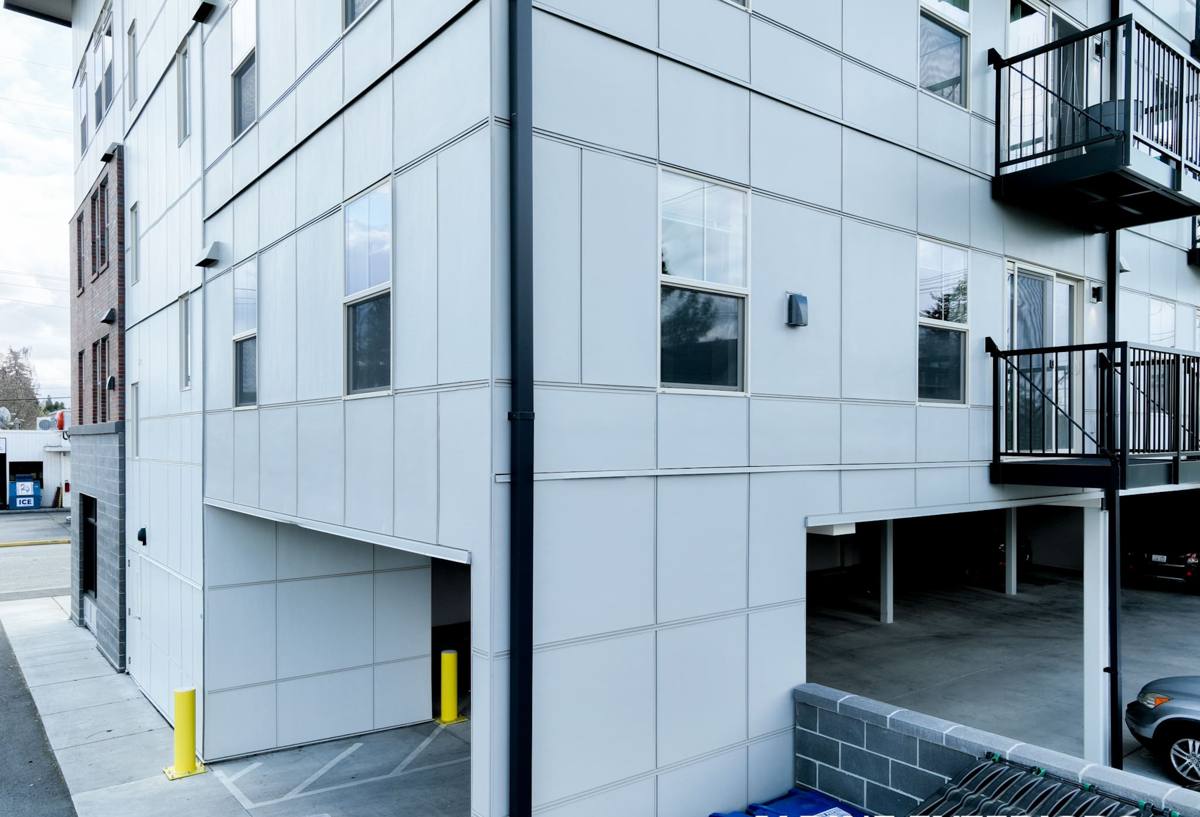
 Ferndale Exterior
 Building New in Nooksack: Why Window Installation Isn't an Afterthought
When a home is going up from the studs out, the windows aren't just a product you pick from a catalog — they're part of the building envelope. In the Nooksack area, just east of Ferndale in Whatcom County, that envelope has to hold up against a specific combination of conditions: marine air carrying salt off the Strait and bay, long stretches of driving rain through fall and winter, and a moss and mildew season that can run most of the year on shaded or north-facing walls. New-construction windows installed correctly the first time, with proper flashing and integration into the wall assembly, are one of the biggest factors in whether a new home stays dry and efficient for decades or starts showing rot and staining within a few years.
New-construction windows are different from replacement units. They come with a nailing fin (or flange) that's designed to be integrated into the wall's weather-resistive barrier before siding goes on. That means the window installer isn't just setting a unit into an existing opening — they're part of the sequence that determines whether water gets managed correctly around every rough opening on the house. Get this step wrong, and no amount of good siding or trim work downstream will fix it.
What Nooksack-Area Homes Need From Their Windows
Salt Air and Corrosion
Proximity to the coast means airborne salt settles on exterior surfaces over time. Hardware, fasteners, and frame materials that aren't rated for coastal exposure can corrode or pit years before they should. This matters most at hinges, locks, and any exposed metal trim — details that are easy to overlook when everyone's focused on the glass and frame.
Driving, Wind-Driven Rain
Storms coming off the water don't just drop rain straight down — wind pushes it sideways into wall assemblies, especially on west- and south-facing elevations. A window that's watertight in a still-air test can still leak on a real Whatcom County wall if the flashing details around it weren't done in the right order.
Moss, Mildew, and Prolonged Dampness
Shaded elevations and roof overhangs that don't get much sun stay damp for extended periods. Moss and mildew growth on nearby siding and trim is common, and that dampness works its way toward window openings if sealant joints and drainage paths aren't detailed to shed water rather than trap it.
What a Correct New-Construction Window Installation Involves
There's a specific order of operations that keeps water moving out and away from the wall instead of getting trapped behind it. Skipping steps or doing them out of sequence is the single most common cause of hidden water damage in new builds — and it's invisible from the outside until the damage has already been done.
- Rough opening checked for square, level, and correct dimensions before the window ever goes in
- Sill pan flashing installed first, sloped to drain water outward, not just a flat strip
- Weather-resistive barrier (house wrap) properly lapped above the window's top flange — never taped in a way that traps water behind the flange
- Window set, shimmed for square and plumb, and fastened per the manufacturer's schedule
- Side and head flashing integrated in the correct shingle-lap order so water sheds down and out at every layer
- Sill pan and jamb flashing tested for drainage path before siding covers it up
- Interior air sealing at the rough opening, separate from exterior weatherproofing — these are two different jobs with two different goals
- Exterior sealant used only where the manufacturer specifies it, not as a substitute for proper flashing
Every one of those steps gets covered by siding or trim once the house is closed in. That's exactly why it has to be done right the first time — there's no easy way to inspect it again once the exterior is finished.
Choosing the Right Window Line and Glass Package
Vinyl, fiberglass, and wood-clad windows are all viable choices for new construction, and the right one depends on the home's design, budget, and how much frame maintenance the owner wants to take on long-term. We steer builders and homeowners away from bare wood exterior frames in this climate — not because wood windows are a bad product, but because unclad wood exposed to this much seasonal moisture and moss pressure requires a maintenance schedule most owners don't keep up with, and the failure mode (rot at the sill) is expensive to fix once it starts. Clad and vinyl options shift that maintenance burden way down.
Glass and Performance
Double-pane, low-E glass with argon fill is the practical baseline for new construction in this region — it manages both winter heat loss and the low-angle glare common with our overcast skies. Triple-pane adds cost and weight for a marginal efficiency gain that rarely pencils out unless the home has an unusually aggressive energy target.
| Frame Material | Coastal/Moisture Performance | Maintenance | Typical Fit |
|---|---|---|---|
| Vinyl | Good — won't rot or corrode | Low | Most new-construction budgets |
| Fiberglass | Very good — dimensionally stable, resists moisture | Low | Higher-end builds, larger openings |
| Wood-clad (exterior clad) | Good on the clad face; interior wood stays protected | Moderate | Homes wanting a wood interior look |
| Bare wood exterior | Poor without diligent upkeep in this climate | High | Not recommended for this region |
Our New-Construction Process on Nooksack-Area Builds
1. Plan Review and Rough Opening Coordination
We review window schedules and rough opening sizes against the framing plans before units are ordered, catching sizing mismatches before they become a job-site problem.
2. Sequencing With Your Framer and Siding Crew
Window installation has to happen at the right point in the build — after the weather-resistive barrier is on, before siding starts. We coordinate directly with the general contractor or framer so nobody's waiting on us, and we're not waiting on a wall that isn't ready.
3. Flashing and Drainage Detail, Done Once, Done Right
Every opening gets sill pan flashing, correctly lapped side and head flashing, and a drainage path that's been checked before it's covered. This is the step that determines whether the house stays dry for the next 30 years.
4. Final Set, Air Seal, and Walkthrough
Once the window is set and flashed, we handle interior air sealing and do a final check for square, operation, and lock function before the space is closed in behind drywall.
Cost Factors for New-Construction Windows
Every build is different, so we don't publish flat per-window pricing — but the main variables that move the number are consistent from job to job.
| Factor | Why It Matters |
|---|---|
| Frame material (vinyl vs. fiberglass vs. clad wood) | Material cost and long-term maintenance trade off directly against upfront price |
| Window size and quantity | Larger openings and full-house window packages carry different per-unit economics |
| Glass package | Low-E coatings, gas fills, and tempered glass (required near doors, stairs, and low sills by code) add cost |
| Elevation exposure | Windows on the weather side of the house may warrant upgraded flashing details |
| Site access and scheduling | Coordinating installation tightly with framing and siding crews affects labor time |
A Quick Checklist Before You Order Windows for a Nooksack Build
- Confirm rough openings match the window schedule before units are ordered
- Ask whether sill pan flashing is included as a standard step, not an upgrade
- Choose frame materials that don't depend on regular owner maintenance to resist this region's moisture
- Confirm tempered glass locations meet code (near doors, low sills, stairs, wet areas)
- Get the installation sequence in writing so it's coordinated with your siding timeline
- Ask how the installer verifies drainage before the opening gets covered by siding
Why Hiring a Crew That Already Works This Area Matters
New-construction window installation is unforgiving of shortcuts because the mistakes get buried. A crew that's worked framing and siding schedules throughout Whatcom County knows how to sequence around this region's rain windows, understands which elevations take the worst of the driving rain and salt exposure, and isn't guessing at flashing details that matter here more than they would in a drier climate. That local experience shows up in fewer callbacks, fewer surprises during siding install, and a house that's actually sealed the way it's supposed to be — not just the way it looks from the ground.
If you're planning a new build in or around Nooksack and want windows installed right the first time, we're happy to walk through your plans and give you a straightforward, no-pressure estimate — just use the form below.