 Ferndale Exterior
 Windows Work Harder in Point Roberts
Point Roberts sits in a spot most window manufacturers never designed for. It's surrounded by water on three sides, exposed to salt-laden wind coming off the Strait of Georgia, and cut off from the rest of Whatcom County by geography that makes every service call a little more deliberate. Homes here take a steadier beating from the elements than most inland properties in the county, and that shows up first at the windows — the weakest thermal and moisture point in almost any exterior wall.
We work throughout Ferndale and the surrounding Whatcom County coastline, and Point Roberts is one of the areas where we see window failure show up earlier than homeowners expect. Frames that would last two or three decades elsewhere start showing seal failure, corroded hardware, and soft trim in twelve to fifteen years out here. That's not a knock on any particular product — it's just what constant salt exposure and driving rain do to lower-grade materials and marginal installations over time.
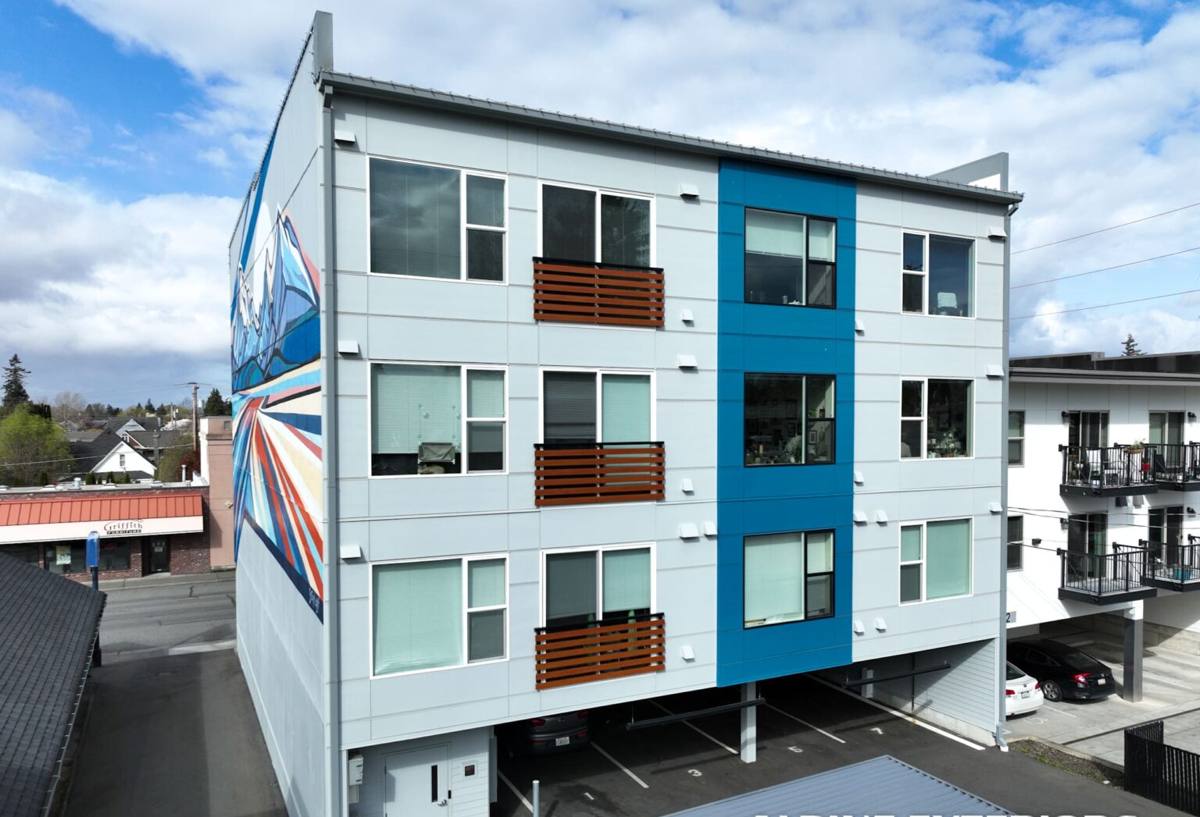
What Salt Air and Driving Rain Actually Do to a Window
It helps to understand the mechanism, not just the symptom. Two things are working against your windows here:
Salt Air
Airborne salt is corrosive to metal hardware — hinges, locks, balance mechanisms, and especially aluminum components. It also accelerates the breakdown of certain sealants and finishes faster than manufacturers' standard warranty testing accounts for, since that testing is rarely done in a marine environment. Over years, this shows up as pitted or seized hardware, chalky or degraded exterior finishes, and seals that fail before their rated life.
Driving Rain
Point Roberts gets wind-driven rain that hits window assemblies at an angle, not straight down. That matters because a window and its flashing can shed water perfectly well in a vertical downpour and still leak under wind-driven rain if the flashing details, sill pans, and sealant joints weren't built for lateral water intrusion. Combine that with the long moss season common to this part of Whatcom County — moisture that lingers on siding and trim for months at a time — and any gap in the water management around a window becomes an invitation for rot in the surrounding framing, not just window failure itself.
This is the core reason a window replacement here is as much about the installation detail as it is about the window unit itself. A great window installed with poor flashing will fail faster than a modest window installed correctly.
What "Energy-Efficient" Should Mean for This Climate
Energy efficiency gets marketed mostly around heating and cooling bills, and that's real — a poorly sealed or single-pane window is a constant source of heat loss through our wet, mild winters. But in a marine environment like Point Roberts, efficiency and durability are the same conversation. A window that holds its seal keeps conditioned air in and keeps wind-driven moisture out. When a seal fails, you lose both at once.
The factors that matter most for homes here:
- U-factor — how well the window resists heat transfer. Lower is better for our climate, where the goal is retaining warmth through long wet winters.
- Frame material and corrosion resistance — hardware and frame components need to tolerate salt exposure without degrading early.
- Glazing package — double-pane with a low-E coating is the practical baseline for this region; triple-pane adds further insulation value but comes with added weight and cost that should be weighed against the specific wall and window size.
- Weatherstripping and seal quality — the compression seals and gaskets are what actually stop driving rain and drafts at the sash; cheap weatherstripping is often the first thing to fail.
- Installation flashing and sill pan detail — arguably more important than the window itself in a wind-driven-rain environment.
Comparing Frame Materials for a Coastal, Rainy Climate
There's no single "correct" frame material for every home — budget, existing wall construction, and the home's exposure to wind and salt all factor in. Here's an honest comparison of what we typically discuss with Point Roberts homeowners:
| Frame Material | Salt/Moisture Behavior | Maintenance | Typical Trade-offs |
|---|---|---|---|
| Vinyl | Doesn't corrode; good baseline performer | Low | Budget-friendly; quality varies widely between manufacturers |
| Fiberglass | Excellent dimensional stability, resists warping in wet/dry cycles | Low | Higher upfront cost; strong long-term value in exposed coastal spots |
| Aluminum-clad wood | Attractive, but hardware and cladding seams need monitoring in salt air | Moderate to high | Best appearance option; requires more attention to detail at installation and over time |
| Bare wood | Most vulnerable to the moss-season moisture cycle without diligent upkeep | High | We're candid with homeowners about the maintenance burden this creates in a marine climate |
We don't push one material on every home. We look at sun and wind exposure, how close the home sits to the water, and what the homeowner is willing to maintain, then make a recommendation based on that.
Signs Your Windows Are Already Losing the Battle
Homeowners often wait until a window is visibly broken before calling, but the signs of failure show up well before that. Worth checking for:
- Fogging or a hazy film between panes — the seal has failed and the insulating gas or air gap is compromised
- Soft or discolored trim and sill wood around the window frame
- Hardware that's stiff, corroded, or won't latch fully
- Drafts you can feel with a hand near the frame on a windy day
- Visible gaps between the frame and siding, or cracked exterior caulk
- Condensation forming on the interior glass regularly in cooler months
- A noticeable rise in heating costs without any other explanation
Any one of these on its own isn't necessarily an emergency. Several together, especially paired with soft trim, usually means moisture has already gotten into the wall assembly and it's worth having someone look before it becomes a larger repair.
How We Approach a Window Job Here
The window unit is maybe half the job. The other half is everything around it, and that's where most water problems actually start.
Assessment
We start by looking at the existing window, the surrounding trim, and the wall assembly behind it. If there's evidence of past water intrusion, we want to know before we open anything up, not after.
Removal and Inspection
Once the old window is out, we check the rough opening and sheathing for hidden rot or moisture damage. This is often the first real look anyone's had at that part of the wall in years, and in a driving-rain climate it's not unusual to find some degree of moisture staining that needs addressing before the new window goes in.
Flashing and Sill Pan
This is the step that determines whether a window lasts. Proper sill pan flashing, correctly lapped house wrap, and sealant placed in the right order — not just caulked over the top afterward — are what actually stop wind-driven rain from getting behind the window over the next twenty years.
Setting and Sealing the Window
The new window gets shimmed level and plumb, fastened per the manufacturer's specifications, and insulated around the frame without over-packing, which can bow the frame and affect operation.
Exterior Finish Work
Trim, caulking, and paint or finish work are completed to shed water away from the frame, not toward it — a detail that matters more here than in a drier inland climate.
Cost Factors Worth Understanding
Every home is different, and we don't quote sight unseen, but these are the variables that most affect the cost of a window project in this area:
| Factor | Why It Matters |
|---|---|
| Number and size of windows | Bigger jobs bring per-unit efficiency but more total material and labor |
| Extent of hidden rot found at removal | Wall repair adds time and cost beyond the window swap itself |
| Frame material chosen | Vinyl, fiberglass, and clad-wood carry different material costs |
| Glazing package | Double-pane low-E vs. triple-pane changes both cost and performance |
| Access and site logistics | Point Roberts' location affects scheduling and delivery timing for materials |
| Trim and exterior finish scope | Full trim replacement costs more than reusing sound existing trim |
We'd rather walk a homeowner through these variables honestly upfront than surprise anyone once the wall is open.
Why Local Experience in Point Roberts Matters
Point Roberts isn't like scheduling a job in most of Whatcom County. It's a peninsula community reached by crossing an international border, which means material deliveries, crew scheduling, and timing all need to be planned differently than a job five minutes from our shop in Ferndale. A crew that hasn't worked out here before can lose a day just figuring out logistics that we've already got a rhythm for.
There's also the matter of understanding the specific exposure a given home has. A window facing open water takes a different beating than one tucked on a sheltered side of the same house, and knowing how that plays out across a full moss season — not just a single storm — is the kind of judgment that comes from having actually done the work in this specific pocket of the county before.
Maintaining Your Investment After Installation
A well-installed, energy-efficient window still benefits from basic upkeep in this climate:
- Rinse salt residue off frames and glass periodically, especially on water-facing sides of the home
- Check and clear weep holes so water can drain out of the frame rather than pooling
- Inspect exterior caulking annually and touch up before gaps widen
- Keep gutters and downspouts clear so water isn't sheeting down across window heads
- Address any moss or organic buildup on adjacent siding and trim promptly, since prolonged moisture nearby works against the window's seals too
None of this is heavy maintenance, but skipping it is exactly how a well-installed window ends up with a shortened lifespan in a place like this.
If your windows are past their prime, feel drafty, or you're just planning ahead before the next storm season, we're glad to take a look and walk you through honest options for your home. Reach out for a free, no-pressure estimate — the form below gets you started.