 Ferndale Exterior
 Windows Built for a Peninsula, Not Just a Zip Code
Point Roberts sits on its own little peninsula at the very top of Whatcom County, surrounded on three sides by water and cut off by land from the rest of the United States. That geography is exactly why windows here wear out differently than they do a few miles inland. Salt-laden air off the water works on aluminum and steel hardware year-round, driving rain off the Strait finds every gap in a poorly sealed frame, and a long, damp moss season keeps wood trim and sills wet for months at a time. A window that would last two decades in a drier inland neighborhood can start failing in half that time out here if it wasn't installed with this specific exposure in mind.
We're based in Ferndale and have done window work across Whatcom County long enough to know Point Roberts isn't just "another coastal job." It has its own weather pattern, its own building stock, and its own logistics. This page covers what we've learned installing and replacing windows specifically in this area — what the climate does to a window over time, what a correct installation actually involves, and why local, experienced hands matter more here than in most places.
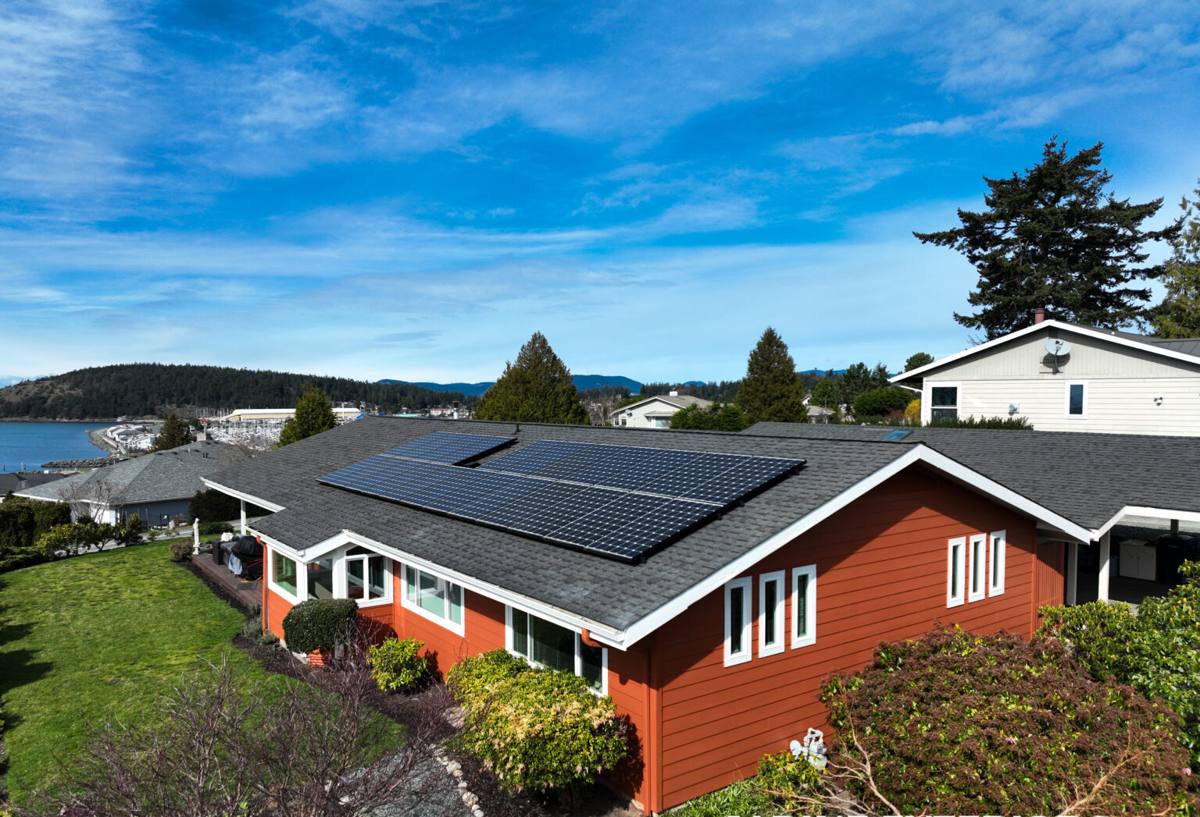
What Salt Air, Rain, and Moss Actually Do to a Window
Salt Air and Hardware
Airborne salt accelerates corrosion on anything metal — window locks, hinges, crank mechanisms, and even some low-grade fasteners. Once hardware starts pitting or seizing, a window that still looks fine from the curb can be difficult to open, close, or lock properly. That's a security and safety issue, not just a cosmetic one.
Driving Rain and Wind-Driven Water
Point Roberts catches wind and rain coming straight off open water with little to break it up. Water doesn't just fall here — it gets pushed sideways into every seam, joint, and nail hole. A window installation that would be perfectly adequate in a sheltered inland yard can leak within a season if the flashing and sealing weren't done for wind-driven exposure specifically.
Moss, Shade, and Moisture Retention
Many homes in this part of Whatcom County sit under tree cover or in the shaded, damp conditions that grow moss on roofs, siding, and window sills alike. Moss holds moisture against wood trim long after the rain has stopped, which is exactly the condition that leads to rot around window openings if the trim and flashing weren't detailed to shed water away from the wall.
None of this means Point Roberts is a bad place to own windows — it means the installation has to account for these three things from the start, rather than treating it like a standard replacement job.
Signs a Point Roberts Home May Need New Windows
Because of the exposure here, some warning signs show up earlier and more clearly than they would elsewhere. Before we ever recommend replacement, we look for:
- Stiff, sticky, or corroded locks and cranks that didn't feel that way a few years ago
- Soft or discolored wood trim around the window frame, especially on the sides facing open water or shaded ground
- Condensation building up between the panes of a double-pane window, which means the seal has failed
- Drafts you can feel by hand along the frame edges on a windy day
- Visible daylight or gaps where the frame meets the siding or trim
- Moss or dark staining creeping onto the sill or lower trim board
- Difficulty opening or fully latching the window, which is both an inconvenience and a security gap
Any one of these on its own might just need a repair. Several at once, especially on the same window, usually means the unit and its surrounding trim have reached the end of their useful life.
What a Correct Window Installation Actually Involves
A window is only as good as the work that goes on around it. Most of the leaks and premature failures we see trace back to shortcuts during installation, not defects in the window itself. On a home exposed to wind-driven rain the way Point Roberts homes are, we pay particular attention to:
Removing the Old Window Properly
This means checking the condition of the framing and sheathing underneath before anything new goes in. If there's rot or water damage hiding behind the old trim, it needs to be dealt with now — covering it up with a new window guarantees the same problem returns.
Flashing That Actually Sheds Water
The flashing sequence around a window — how the house wrap, sill pan, and side/head flashing layer together — determines whether wind-driven rain drains back out of the wall or gets trapped inside it. This is the single most important part of the job for a site like Point Roberts, and it's the step most likely to be rushed on a lower-quality installation.
Sealing and Insulating the Gap
The gap between the window frame and the rough opening needs to be sealed and insulated correctly — not overpacked with expanding foam, which can bow the frame, and not left with gaps that let air and moisture through.
Level, Plumb, and Square
A window that isn't set level and square will bind, won't seal tightly against its own weatherstripping, and will stress the frame over time — all of which shorten its life regardless of how good the product itself is.
Exterior Trim and Finish Detailing
The trim work around the window needs to slope water away from the wall and window, not toward it. This is where moss and shade-related rot most often starts if it isn't detailed correctly the first time.
Frame and Glass Choices for This Climate
There's no single "best" window for every home, but some materials and glass options hold up better than others against salt air, driving rain, and a long wet season. We walk homeowners through the real trade-offs rather than pushing one product line.
| Frame Material | How It Holds Up Here | Maintenance |
|---|---|---|
| Vinyl | Good resistance to salt corrosion since there's no exposed metal hardware finish to pit; performs well in most coastal exposures | Low — occasional cleaning |
| Fiberglass | Very stable in temperature swings and moisture, holds paint well if a specific color is wanted | Low to moderate |
| Wood or wood-clad | Best appearance for older or historic-style homes, but exposed wood needs real upkeep in a damp, mossy environment | Higher — regular inspection and refinishing |
| Aluminum | Strong and slim-profile, but standard aluminum is more prone to salt-related corrosion and thermal transfer near the water | Moderate — hardware and finish need monitoring |
Glass and Coatings
Low-E coated, dual-pane glass is the practical baseline for this area — it manages condensation better and cuts down on heat loss during the long, wet Whatcom County winters. For homes closest to the water or with more direct wind exposure, we also discuss impact-rated or laminated glass options, and heavier-duty weatherstripping, as an upgrade rather than a requirement.
Our Process, Start to Finish
- On-site assessment — we look at each window's condition, the trim and framing behind it, and the specific exposure of that wall (which direction it faces, how sheltered or open it is).
- Honest recommendation — repair versus replacement, and which frame and glass options actually make sense for that wall and that budget.
- Written estimate — clear on materials, scope, and timeline before any work starts.
- Removal and inspection — old units come out carefully so we can check the condition of the opening underneath.
- Correct installation — flashing, sealing, leveling, and insulating done to hold up against wind-driven rain, not just to pass a quick visual check.
- Trim and finish work — detailed to shed water away from the window and wall.
- Walkthrough — we go over the finished work with the homeowner before we consider the job done.
Why a Crew That Already Works Point Roberts Matters
Point Roberts is a U.S. exclave — reaching it by land means crossing an international border, and that shapes how any contractor has to plan a job here. Scheduling, material delivery, and even something as basic as timing a crew's arrival all take more coordination than a job a few minutes off the highway in Ferndale. A crew that hasn't worked this area before often underestimates that, which shows up as delayed start times, rushed work to make up for lost travel time, or a reluctance to come back quickly if something needs adjusting.
Because we've done work in Point Roberts before, we plan around the crossing and the logistics up front — materials are staged and confirmed before the crew heads out, and the schedule accounts for the realities of getting a full crew and equipment to a peninsula that isn't directly connected to the rest of the county. That means fewer surprises, and it means if something needs a follow-up visit, it's not a logistical ordeal to make it happen.
It also means we already understand the exposure profile of homes out here — which walls take the worst of the wind and rain, where moss tends to hold moisture longest, and how salt air has typically aged the hardware and trim we're replacing. That local knowledge shapes the recommendation before we even open a product catalog.
After Installation: Keeping New Windows Performing
New windows installed correctly should need very little from a homeowner, but a few habits go a long way in this climate:
- Rinse salt residue off frames and glass periodically, especially on walls facing open water
- Keep gutters and nearby moss or debris clear so water drains away from window trim instead of sitting against it
- Operate locks and cranks a few times through the year even on windows you don't open often, so hardware doesn't seize
- Check caulking and exterior trim seals annually, since UV and constant damp cycling break down sealants faster here than in drier climates
- Address any soft trim or sticking hardware early — small issues caught early stay small
If you're weighing a repair against full replacement, or just want an honest read on what your current windows have left in them, we're happy to take a look. Reach out for a free, no-pressure estimate — the form below gets you straight to us.