 Ferndale Exterior
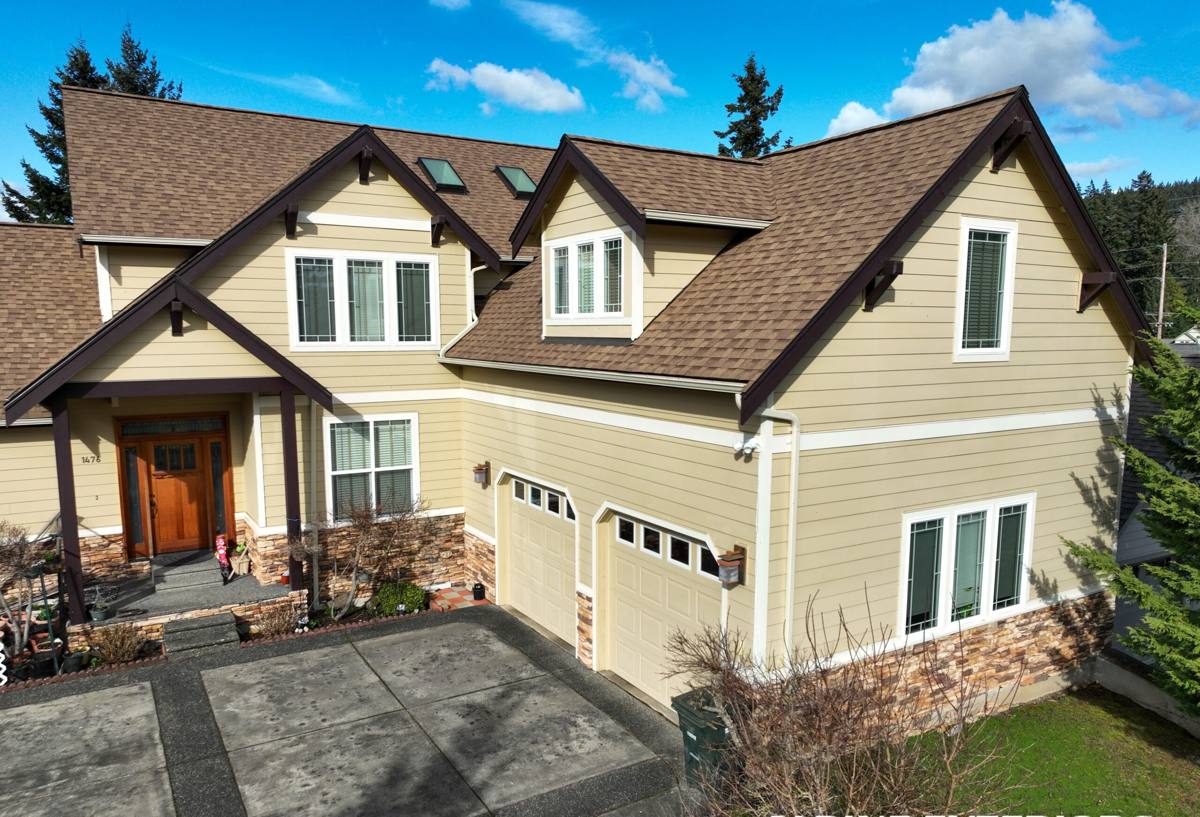
 Windows Built for Semiahmoo's Coastal Conditions
Semiahmoo sits close enough to the water that salt air is a daily fact of life, not an occasional nuisance. Add Whatcom County's driving rain off the Strait and a moss season that can run eight or nine months out of the year, and you have one of the tougher environments in the state for window systems. Standard windows sold for general Northwest use are often fine fifty miles inland. Out here, the combination of airborne salt, near-constant humidity, and wind-driven rain finds every weak point in a window's frame, seal, and flashing much faster than it would elsewhere.
That doesn't mean Semiahmoo homes need exotic materials or a bigger budget than the rest of Ferndale. It means the details — frame material, glazing seal quality, flashing integration, and installation technique — matter more here than they do in a drier, more sheltered part of the county. Get those details right once, and a window system will genuinely last. Get them wrong, and you'll be dealing with fogged glass, soft framing, or interior moss and mildew stains well before the window's rated lifespan is up.
How Salt Air and Moisture Actually Damage Windows
It helps to understand the mechanism, not just the symptom. Salt-laden air carries fine mineral particles that settle on window exteriors and, more importantly, work into any exposed metal — hardware, fasteners, and unprotected aluminum components. Over time this accelerates corrosion in ways that plain rainwater doesn't. Combine that with Whatcom County's damp, shaded exposures where moss and algae thrive, and you get a slower but steady breakdown of caulking, sealant, and any wood trim that isn't properly protected.
Driving rain adds a second problem: wind-pressure. Rain here doesn't just fall, it gets pushed sideways into window assemblies, which means flashing and seal quality around the rough opening matters as much as the window unit itself. A well-built window installed with poor flashing will still leak. A modest window installed with correct flashing and sealant will often outperform it.
Common Failure Signs We See in This Area
- Fogging or a hazy film between panes — a sign the seal has failed and the gas fill or airspace has been compromised
- Soft, discolored, or bubbling trim and sill areas, especially on the weather-facing side of the house
- Green or black staining at corners and joints where moss and mildew have taken hold
- Hardware that's stiff, corroded, or won't latch fully — often the first visible sign of salt exposure
- Drafts or a faint whistle during wind events, indicating the seal or weatherstripping has degraded
- Visible gaps or cracked caulking where the window meets siding or trim
What a Correct Custom Window Job Involves
"Custom" in this context usually means one of two things: a window sized or shaped to fit an opening that doesn't match stock dimensions, or a standard-size window built with an upgraded frame, glazing, or finish package suited to a specific exposure. Either way, the job is only as good as what happens around the glass, not just the glass itself.
The Non-Negotiables for Semiahmoo Installations
- Accurate measurement of the rough opening — not just width and height, but plumb, level, and square, since older Ferndale-area homes often have settled or slightly out-of-square framing
- Removal and inspection of the old opening before the new unit goes in, so any hidden rot or moisture damage gets addressed rather than sealed over
- Proper flashing sequence — sill pan flashing first, then side flashing, then head flashing, layered so water is always directed outward and down, never trapped
- Corrosion-resistant fasteners and hardware appropriate for a salt-air exposure, not standard-grade hardware that will pit within a few seasons
- Continuous sealant bead at all penetration points, with attention to manufacturer-specified sealant compatibility (some sealants don't bond well to certain frame finishes)
- Interior air seal in addition to the exterior weather seal — a detail that's frequently skipped and is a major source of condensation problems later
Skipping any one of these doesn't usually cause an immediate problem. It shows up eighteen months to three years later as a leak, a soft sill, or a fogged unit — by which point the fix is bigger and more expensive than it would have been to do right the first time.
Choosing the Right Frame Material for This Exposure
There's no single "best" window material for every home — it depends on sun exposure, how close the home sits to the water, and how the homeowner wants to balance upfront cost against long-term upkeep. Here's how the common options actually perform in a Semiahmoo-type exposure:
| Frame Material | Salt Air Performance | Maintenance Needs | Typical Lifespan Here |
|---|---|---|---|
| Vinyl | Good — won't corrode, minimal metal hardware exposure | Low — occasional cleaning | 20-30 years with quality seals |
| Fiberglass | Excellent — dimensionally stable, resists moisture-driven warping | Low | 30+ years |
| Aluminum | Fair — prone to pitting/corrosion near salt air unless marine-grade finished | Moderate — needs finish upkeep | 15-25 years depending on coating |
| Wood / Wood-clad | Fair to poor if exposed; good if fully clad and well-flashed | High — regular finish maintenance on exposed wood | 20-25 years with diligent upkeep |
We don't push one material on every home. On a direct-exposure Semiahmoo property, we're more likely to steer a homeowner toward vinyl or fiberglass simply because they hold up with less ongoing maintenance in salt air — not because other materials are inferior products, but because upkeep demands go up in this specific environment. Wood-clad windows can still be the right call for a home where appearance matters most, as long as the homeowner understands the maintenance commitment that comes with it.
Our Process, Start to Finish
1. On-Site Assessment
We look at each opening individually — sun and wind exposure, existing water damage, and how the home has held up so far. On a Semiahmoo property, we're paying particular attention to which elevations take the brunt of wind-driven rain, since that often dictates where we upgrade flashing detail even if the homeowner is only replacing windows on one side of the house.
2. Measurement and Ordering
Custom sizing is confirmed against the actual rough opening, not the original builder specs, since older framing shifts over time. We account for any out-of-square conditions before the order goes in, so the window arrives sized for the opening as it actually exists today.
3. Removal and Opening Prep
Old units come out carefully so we can inspect the framing underneath. Any soft wood, hidden moisture, or old failed flashing gets addressed at this stage — not covered up.
4. Installation and Flashing
New units go in plumb, level, and square, with a full flashing sequence and both exterior and interior sealing. This is the stage where corners get cut on a rushed job — and where our full attention goes on a job done right.
5. Final Check and Cleanup
We test operation, check for square and smooth function, confirm seals are complete, and clean up the site before we consider the job finished.
What Affects the Cost of a Custom Window Job
Every home and opening is different, so we won't quote a number without seeing the site. But these are the main factors that move the price up or down:
| Factor | Why It Matters |
|---|---|
| Frame material selected | Fiberglass and premium vinyl cost more upfront than standard vinyl or aluminum |
| Custom vs. stock sizing | Non-standard dimensions require special ordering and add lead time and cost |
| Condition of the existing opening | Hidden rot or old flashing failures found during removal add repair work |
| Number of openings and access | Second-story or hard-to-access windows take more labor time |
| Glazing package | Upgraded low-E coatings or gas fills for wind/thermal performance add cost |
| Exterior finish work | Trim, siding tie-in, or paint/stain matching around the new unit |
Maintenance That Actually Extends Window Life Here
A properly installed window still benefits from regular upkeep in this climate. A short seasonal routine goes a long way toward getting the full lifespan out of the investment:
- Rinse exterior glass and frames periodically to remove salt residue before it accumulates
- Clear moss and debris from sills, tracks, and weep holes so water can drain as designed
- Inspect caulking and sealant annually, especially after a hard winter storm season
- Lubricate hardware and locks to prevent salt-related stiffness or corrosion
- Check interior sills for early signs of condensation or soft spots
- Have flashing and trim inspected every few years, particularly on the weather-facing side of the home
Why a Crew That Already Works in Semiahmoo Makes a Difference
Window installation isn't uniform across Whatcom County. A crew that mostly works drier, inland jobs may not default to the flashing detail or hardware grade that a direct coastal exposure actually requires — not out of carelessness, but because it simply isn't the standard problem they solve every day. A crew that regularly works Semiahmoo and the surrounding Ferndale area already knows which elevations take the worst of the wind-driven rain, how fast moss builds up in shaded corners, and which materials hold up without excessive upkeep in salt air. That local familiarity shows up in fewer callbacks and windows that perform the way they're supposed to for their full rated life.
Get a Free, No-Pressure Estimate
If you're dealing with fogged glass, drafty frames, or you're simply planning ahead for a home in the Semiahmoo area, we're happy to take a look and give you a straightforward assessment — no pressure, no upsell. Use the form below to request a free estimate, and we'll walk the property with you and talk through what actually makes sense for your home's exposure and budget.