 Ferndale Exterior
 Siding Built for Point Roberts, Not Just Installed There
Point Roberts sits in a spot most siding never has to deal with. It's a small peninsula bounded by water on three sides, separated from the rest of Whatcom County by an international border, and fully exposed to whatever Boundary Bay and the Strait of Georgia send its way. That means homes here take on a combination of salt-laden air, wind-driven rain, and a long, damp moss season that a lot of siding products simply were not designed to handle for the long haul. We install James Hardie fiber cement siding, and Point Roberts is one of the clearer examples of why that's the only product we put our name on.
A siding job here isn't just a materials swap. It's a decision about what's going to sit on the exterior of a house that faces onshore wind and salt exposure nearly every month of the year, for the next several decades. Getting that decision — and the installation details around it — right matters more in Point Roberts than it does on a sheltered inland lot.
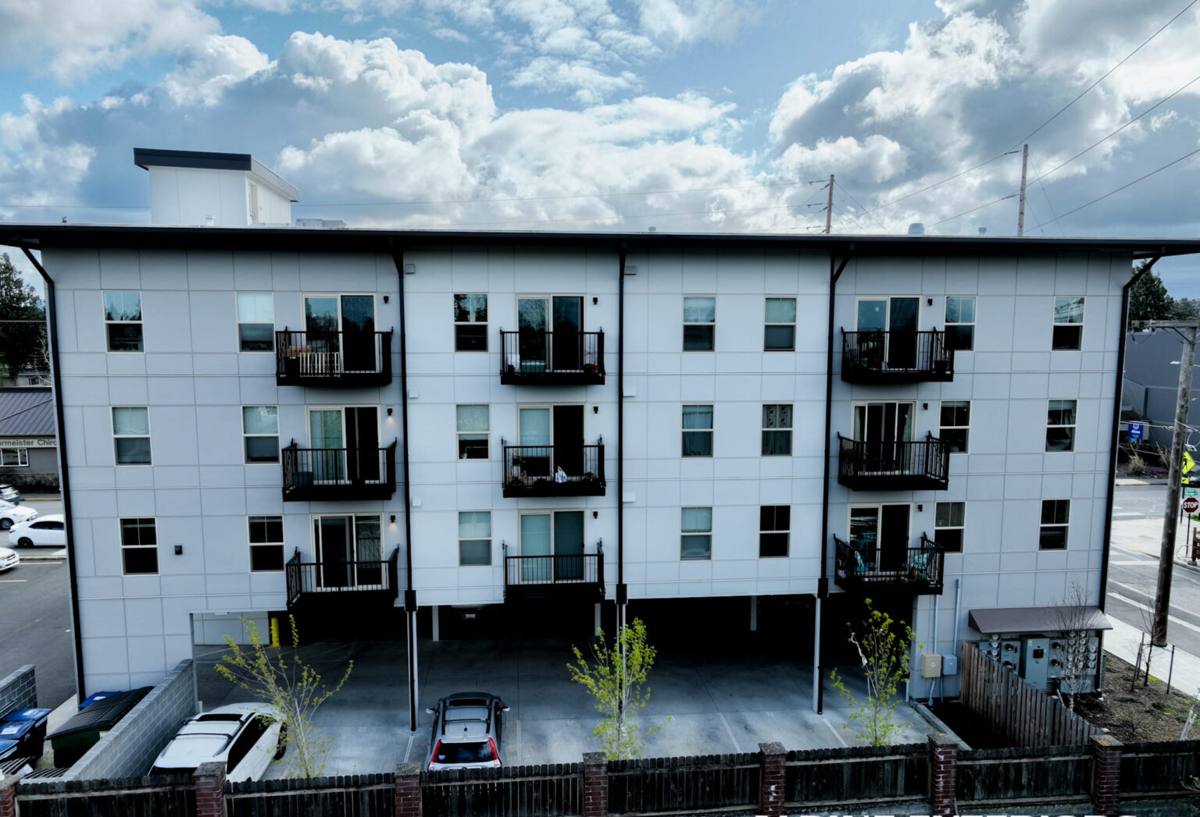
What the Point Roberts Climate Actually Does to Siding
Salt Air
Homes close to saltwater deal with airborne salt that settles on every exterior surface. Salt is hygroscopic — it pulls moisture out of the air and holds it against whatever it lands on. On wood-based siding products, that means the surface stays damp longer than it would inland, which accelerates rot, encourages fungal growth, and breaks down paint and factory finishes faster than the manufacturer's warranty assumptions were built around. On metal fasteners and trim, salt exposure speeds up corrosion, which is why fastener choice on a coastal job is not a place to cut corners.
Driving Rain
Point Roberts gets exposed to wind off open water with very little to break it up before it hits a house. That combination — wind plus rain — pushes water sideways and upward into laps, joints, and penetrations in ways that a still, straight-down rain never does. Siding systems and installation details that work fine in a protected inland neighborhood can leak here if the water-management layer underneath isn't done correctly.
Extended Moss Season
The Pacific Northwest's damp, mild winters already favor moss and algae growth on north- and shade-facing exterior surfaces. Add the extra humidity that comes with proximity to water, and Point Roberts homes tend to see moss and mildew start earlier in the fall and hang on later into spring than homes even a few miles inland. Siding that absorbs moisture gives moss and algae something to root into; siding that doesn't absorb moisture gives them far less to work with.
Why This Points Toward Fiber Cement
We install James Hardie fiber cement siding exclusively, and we don't apologize for that being a narrow product lineup. Fiber cement is made from cement, sand, and cellulose fiber — it does not have the wood content that gives salt air, moisture, and moss something organic to break down. It's also non-combustible, which matters to some homeowners regardless of climate, but the coastal-durability case is the one that applies most directly to a Point Roberts home.
James Hardie's ColorPlus factory-applied finish is baked on under controlled conditions rather than field-applied with a brush or sprayer, which gives it more consistent coverage and better adhesion than most site-applied paint jobs — a real advantage when the exterior is fighting salt exposure and UV from day one. Hardie also engineers regional HZ5 product formulations specifically for climates that see more moisture cycling, which the Pacific Northwest coastal zone qualifies for.
We don't install vinyl, LP SmartSide, Cemplank, Allura, or bare cedar or spruce siding, and in a location like Point Roberts the reasoning is straightforward: vinyl can warp and become brittle under UV and temperature swings and doesn't hold paint if a homeowner ever wants to change the color; engineered wood products and untreated wood siding are more vulnerable to the moisture-driven rot and swelling that salt air and driving rain accelerate. None of those are "bad" products in every setting — they're just not the right match for what this stretch of coastline does to an exterior over 20-plus years, and we'd rather install one product correctly than several products with reservations.
What a Correct Siding Installation Involves Here
The siding itself is only part of the system. On a coastal job, the water-resistive barrier, flashing, and fastening details underneath the siding do as much work as the panels themselves — arguably more, since they're the layer that actually keeps water out of the wall assembly.
Water-Resistive Barrier and Flashing
Every penetration — windows, doors, hose bibs, light fixtures, vents — needs to be flashed so that water sheds outward and downward, never trapped behind the siding. Given how much wind-driven rain Point Roberts sees, we pay close attention to head flashing above windows and horizontal trim, and to how the barrier laps at seams so gravity and wind pressure both work in the wall's favor, not against it.
Fastener Selection
In a salt-air environment, fastener corrosion resistance isn't optional. We use fasteners rated for the exposure the house will actually see, not just what's cheapest or fastest to run through a nail gun. A fastener that corrodes and loosens over time compromises the whole installation, no matter how good the siding above it is.
Proper Clearances
Fiber cement siding needs the right clearance from grade, roofing, decks, and other horizontal surfaces so it isn't sitting in standing water or snow buildup. On a peninsula lot where drainage and grading can vary block to block, we check this on-site rather than assuming a standard clearance will automatically work.
Caulking and Joint Treatment
James Hardie's installation specifications call out where joints should be caulked with a high-quality, paintable, flexible sealant and where they shouldn't. Skipping this step, or using the wrong sealant, is one of the more common ways a fiber cement job fails early — and it's avoidable with attention to the manufacturer's actual instructions rather than habit from other siding types.
Comparing Siding Options for a Point Roberts Home
| Factor | James Hardie Fiber Cement | Vinyl | Engineered Wood / Untreated Wood |
|---|---|---|---|
| Salt air resistance | Strong — inorganic material, factory finish | Moderate — can become brittle over time | Weaker — organic content vulnerable to moisture |
| Driving rain / moisture behavior | Stable when installed per spec | Generally sheds water but seams can be vulnerable | Prone to swelling, delamination, or rot if water intrudes |
| Moss / algae resistance | Better — non-absorbent surface | Fair — surface can still host growth | Weaker — absorbent surface feeds growth |
| Finish durability | Factory-applied ColorPlus finish | Color molded through, but limited repaint options | Field-applied paint, needs more frequent maintenance |
| Fire performance | Non-combustible | Combustible | Combustible |
This isn't a claim that vinyl or wood siding "fails" in every case — plenty of homes carry them without major issues. It's a statement about which material gives a coastal Point Roberts home the best odds over a multi-decade lifespan, and why we chose to build our installation process, training, and warranty support around one product line instead of spreading across several.
Our Process for a Point Roberts Siding Job
- On-site assessment: We look at the home's specific exposure — which sides face open water and prevailing wind, existing moisture or moss damage, current siding condition, and trim/window details that affect flashing.
- Scope and product selection: We walk through the appropriate James Hardie product line, panel style, and ColorPlus color options for the home, and explain what the installation will involve.
- Tear-off and substrate check: Old siding comes off and we inspect the sheathing underneath for existing moisture damage before anything new goes on — installing new siding over a compromised substrate defeats the purpose.
- Water-resistive barrier and flashing installation: This is the step that determines whether the wall stays dry, done to Hardie's specifications and adjusted for the site's actual wind and rain exposure.
- Siding installation: Panels installed with correct fastener spacing, clearances, and joint treatment per manufacturer specification.
- Final inspection and walkthrough: We review the completed job with the homeowner, including basic maintenance expectations for a coastal setting.
Why Local Experience in a Border Community Matters
Point Roberts is logistically unlike most of the rest of Whatcom County — reaching it means crossing the Canadian border, which affects scheduling, material delivery, and how a crew plans a job day. A contractor unfamiliar with that reality can underestimate lead times or show up without materials staged correctly. We plan Point Roberts jobs around that reality rather than treating it as a standard Ferndale-area appointment, because a delayed delivery or a missed border-crossing window turns into open wall assembly sitting exposed to the weather longer than it should.
Beyond logistics, a crew that has actually worked this stretch of coastline understands which sides of a house typically take the worst of the wind and salt exposure, where moss tends to establish first, and how the local drainage and grading patterns tend to run. That familiarity shows up in better flashing decisions and fewer surprises mid-project.
Maintenance Expectations After Installation
Fiber cement siding reduces maintenance compared to wood-based products, but "reduced" isn't "none," especially in a salt-air environment. A short annual checklist keeps a Point Roberts installation performing the way it's designed to:
- Rinse salt residue and debris off the siding periodically, especially on sides facing open water
- Check caulked joints annually for cracking or separation and have them resealed if needed
- Keep gutters and downspouts clear so water isn't overflowing onto siding below
- Trim back vegetation and maintain clearance between siding and grade, plantings, or mulch beds
- Inspect north- and shade-facing walls each fall for early moss or algae growth
- Watch for any soft spots, staining, or discoloration around window and door trim, which can signal a flashing issue worth addressing early
None of this is heavy lifting, but skipping it on a coastal property shortens the runway on even a well-installed siding job.
What This Means for Your Home
A house on Point Roberts is carrying more environmental load than most homes in Whatcom County, and the siding decision should reflect that. We install James Hardie fiber cement because it's engineered for exactly this kind of exposure, and because we'd rather do one product exceptionally well — with the flashing, fastening, and clearance details that a coastal job actually demands — than offer a menu of options we don't fully stand behind for this climate.
If you're weighing a siding replacement or new installation on a Point Roberts property, we're glad to take a look at the specific exposure your home faces and walk through what a correct job would involve. Reach out for a free, no-pressure estimate using the form below.