 Ferndale Exterior
 Why Siding Wears Out Faster Out on the Lummi Peninsula
Homes out around Lummi Nation deal with a tougher version of Whatcom County's weather. The peninsula sits with water on nearly every side, which means more salt-laden air, more wind-driven rain coming off the water, and a longer stretch of damp, shaded months where moss and algae get a foothold on north- and west-facing walls. Siding here isn't just cosmetic — it's the first and most exposed line of defense on a house that takes weather from more directions than a typical inland Ferndale lot.
We work on homes throughout Ferndale and the surrounding Whatcom County shoreline communities, and the siding failures we see out toward Lummi Nation follow a pattern: it's rarely one catastrophic event. It's years of salt air, standing moisture, and moss working on seams, fastener points, and lower courses that never fully dry out between storms.
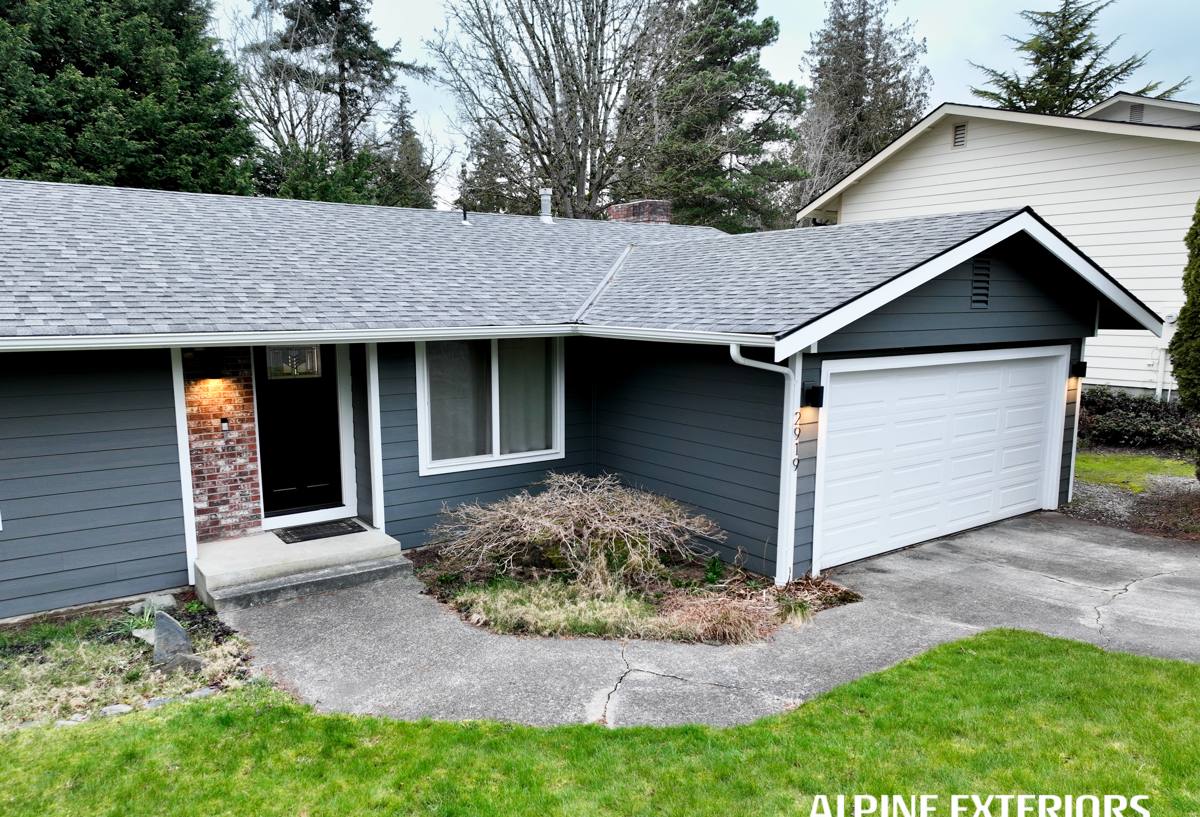
What Salt Air, Driving Rain, and Moss Actually Do to Siding
Salt Air and Corrosion
Airborne salt doesn't just sit on the surface — it works into fasteners, trim joints, and any exposed metal flashing. Over years, that accelerates corrosion at nail heads and staples, which is often where paint film fails first and water finds its way behind the siding. Products and fastening systems that aren't rated for coastal exposure tend to show this wear years before an inland home would.
Driving Rain and Wind-Driven Moisture
Rain that comes in sideways off open water behaves differently than a straight-down downpour. It gets pushed up under laps, into butt joints, and around window and door trim that would stay dry in a more sheltered location. If the water-resistive barrier, flashing, and lap details underneath the siding aren't installed correctly, this is exactly the kind of weather that finds the gap.
Moss, Algae, and Prolonged Dampness
Shaded, tree-lined lots near the water rarely get a full dry-out between rain events. Moss and algae take hold on siding that stays damp, and once established, they hold moisture against the surface even longer — a slow cycle that softens paint, opens hairline cracks, and eventually lets water behind the cladding. Wood-based and wood-look products are the most vulnerable to this cycle because the substrate itself absorbs moisture.
Signs It's Time to Replace, Not Patch
A lot of siding problems on Lummi-area homes get patched for a few years before the whole system finally needs to come off. Here's what tells us patching is no longer the right call:
- Soft, spongy, or crumbling siding when you press on it, especially near the bottom courses and around windows
- Paint that's peeling or bubbling in the same spots year after year, even after repainting
- Persistent moss or dark streaking that comes back within a season of cleaning
- Visible gaps, warping, or buckling at seams and corners
- Rising interior humidity, musty smells, or staining on interior walls that share an exterior wall
- Siding that's original to a home built more than 20-25 years ago, especially wood-based products
If you're only seeing one or two of these in an isolated area, a repair may still make sense. Once several show up together, it usually means moisture has been getting behind the siding for a while, and a full replacement is the more honest fix.
What a Correct Siding Replacement Actually Involves
Swapping old panels for new ones is the visible part of the job, but it's not the part that determines whether the new siding lasts. On a coastal-exposure home like the ones out toward Lummi Nation, three things matter more than the siding brand itself.
Tear-Off and Sheathing Inspection
Once the old siding is off, we check the sheathing underneath for soft spots, rot, or prior water damage — problems that are invisible until the wall is opened up. Any compromised sheathing gets replaced before anything new goes on. Installing new siding over damaged sheathing just buries the problem.
Weather-Resistive Barrier and Flashing
A correctly lapped water-resistive barrier, properly integrated window and door flashing, and rain-screen detailing where called for are what actually keep wind-driven rain out — the siding itself is the second line of defense, not the first. This is the step that gets rushed or skipped on lower-bid jobs, and it's the step that matters most in a driving-rain climate.
Installation to Manufacturer Specification
Fastener spacing, minimum clearance from grade and roof lines, proper caulking at butt joints, and factory-specified overlap all affect how the siding performs over decades, not just how it looks on installation day. Installed to spec, a quality fiber cement product should shed coastal weather for a long time. Installed carelessly, even the best product on the market will fail early.
Why We Install Only James Hardie Fiber Cement
We made the decision to standardize on James Hardie fiber cement siding and stopped installing vinyl, LP SmartSide, primed wood, or cedar. That wasn't a marketing choice — it came from seeing how those products actually hold up on homes exposed to salt air, driving rain, and long damp seasons.
| Consideration | James Hardie Fiber Cement | Vinyl / Wood-Based Products |
|---|---|---|
| Moisture behavior | Non-combustible cement composite; engineered HZ product lines matched to climate zone | Wood-based products can swell, delaminate, or rot if the finish is compromised; vinyl can warp with heat and doesn't stop water at seams |
| Salt air / corrosion exposure | Factory ColorPlus finish resists fading and holds up well in coastal air | Field-applied paint on wood substrates breaks down faster near salt air, requiring more frequent repainting |
| Moss and algae resistance | Cement substrate doesn't feed organic growth the way wood fiber can | Wood-based products are more susceptible to sustained moss and algae growth |
| Fire resistance | Non-combustible material | Combustible in varying degrees depending on product |
| Warranty | Strong transferable manufacturer warranty on both substrate and ColorPlus finish | Warranties vary; wood-based products often carry shorter or more limited coverage |
None of this means every other product is a bad product in every application — it means that for the weather patterns homes see on this peninsula, we'd rather stand behind one system we trust fully than install several we'd have reservations about.
Our Process for a Lummi Nation Siding Project
- On-site assessment. We walk the exterior, check the worst-exposed elevations first (typically west- and south-facing walls that take the brunt of the wind and rain), and look for soft sheathing, moss buildup, and failed flashing.
- Straightforward scope and plan. You get a clear rundown of what's failing, what needs replacing versus repairing, and which Hardie product line and profile fits the home.
- Tear-off and sheathing repair. Old siding comes off, damaged sheathing gets replaced, and the wall is prepped before anything new goes up.
- Weather barrier and flashing installed correctly. This is the step that determines whether the next installation lasts 10 years or 40.
- Hardie siding installed to manufacturer spec. Proper fastening, clearances, and joint treatment throughout.
- Cleanup and walkthrough. We review the finished work with you before calling the job done.
Cost Factors for This Job
Every home is different, but these are the main variables that move the price on a siding replacement in this area:
| Factor | Why It Matters |
|---|---|
| Home size and number of stories | More square footage and higher walls mean more material, labor, and staging/scaffolding |
| Sheathing condition | Hidden rot found during tear-off adds repair work that couldn't be priced sight-unseen |
| Siding profile and trim complexity | Detailed trim, multiple gables, and accent details take more time than a simple rectangular wall |
| Current siding type | Removing and disposing of old wood or vinyl siding takes different effort than a simpler tear-off |
| Access and site conditions | Waterfront lots, slopes, and limited access can affect staging and equipment needs |
We give straightforward, itemized estimates so you can see exactly where the cost is going — no vague lump-sum numbers.
Why It Matters That We Already Work This Area
A crew that's replaced siding on other homes near Lummi Nation already knows which elevations take the worst weather, how far moss creeps into shaded lots, and where wind-driven rain tends to find weak details. That's not something you can fully price or plan for from a generic inland job. Choosing a Ferndale-based crew that already understands Whatcom County's coastal exposure means fewer surprises during tear-off and a plan built around how this specific stretch of shoreline actually behaves, not a one-size-fits-all approach.
If your siding is showing wear, holding moss, or you're just not sure whether it's a repair or a replacement, we're happy to take a look. Reach out for a free, no-pressure estimate — someone from our crew will walk the exterior with you and give you a straight answer.