 Ferndale Exterior
 Deck Replacement in Sudden Valley: Built for the Conditions Here, Not Generic Specs
Sudden Valley homes take a specific kind of beating. Between the tree cover, the lake-influenced humidity, and Whatcom County's long wet season, decks here age differently than decks in drier parts of the state. A deck that looks fine from the yard can be quietly failing underneath — ledger boards holding moisture, joists graying and softening, footings shifting after years of saturated ground freeze-thaw cycles. When a deck reaches the point of repeated patch repairs, replacement is usually the more honest and more cost-effective path, and it's the service we get called out for most often in this neighborhood.
This page is specifically about deck replacement for Sudden Valley properties — what the local climate demands, what a correct rebuild actually involves, and how we run the job from first look to final walkthrough.
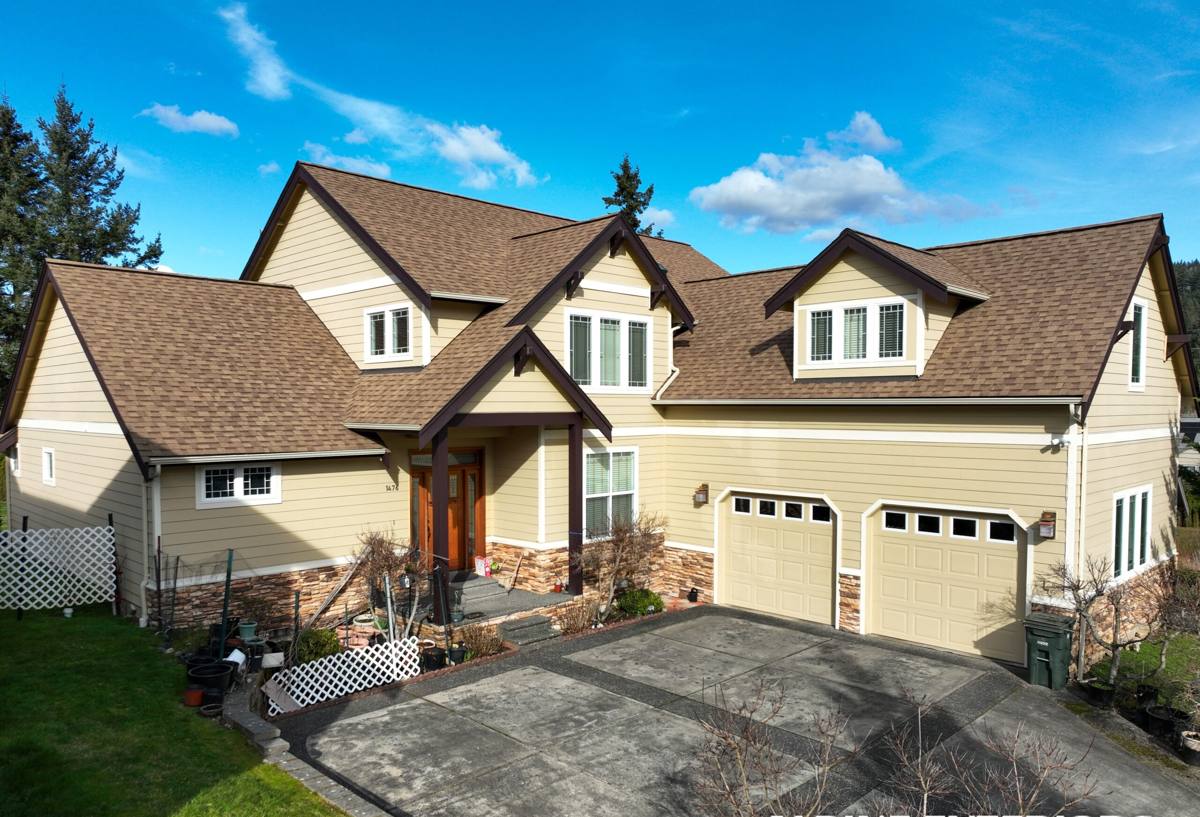
What the Local Climate Does to a Deck
Ferndale and the surrounding Whatcom County area deal with driving rain for a large part of the year, moss growth that can start within weeks of a surface staying damp, and — closer to the water and prevailing weather off the Salish Sea — salt-laden air that accelerates corrosion on fasteners and metal hardware. Sudden Valley's wooded, lake-adjacent setting adds another layer: more shade means slower drying after every rain, and more organic debris (needles, leaves, seed pods) means more material sitting on deck boards trapping moisture against the wood.
The Failure Pattern We See Most
- Moss and algae film building on boards that never get direct sun, making the surface slick and holding moisture against the wood grain
- Fastener corrosion where cheaper coated screws or nails were used instead of stainless or true deck-rated hardware
- Ledger board rot where the deck attaches to the house, often hidden until framing is exposed
- Joist and beam softening from years of splashback and standing moisture underneath the deck
- Footing movement from saturated soil expanding and contracting through the wet season
None of this is unique to any one property — it's what driving rain, long moss season, and salt air do to any deck in this region over time. The difference between a deck that lasts and one that fails early almost always comes down to material choice and how the substructure was built, not just what's visible on top.
Signs Your Deck Is a Replacement Candidate, Not a Repair Job
Not every tired-looking deck needs a full teardown. But there's a point where patching boards is throwing money at a structure that's already compromised underneath. Here's how we tell the difference on a site visit.
| Sign | Usually Repairable | Usually Replacement |
|---|---|---|
| Surface graying, moss film | Yes — clean and refinish | — |
| A few soft or cupped boards | Yes — spot replace | — |
| Screwdriver sinks into ledger or joists | — | Yes — structural rot |
| Deck feels bouncy or springy underfoot | — | Yes — framing fatigue |
| Railing posts loose or wobbly at the base | Sometimes | Often — post rot |
| Multiple past repairs, still failing | — | Yes — pattern of underlying failure |
| Footings visibly shifted or heaved | — | Yes — foundation issue |
If you're only dealing with surface wear, we'll tell you that honestly and recommend cleaning, sanding, or board replacement instead of a full rebuild. We don't upsell a replacement when a repair will genuinely hold.
What a Correct Deck Replacement Actually Involves
A deck replacement isn't just swapping old boards for new ones on the same frame. Done right, it starts from the ground up.
1. Full Structural Assessment
Before any demo, we check the ledger connection, footings, posts, and joists. In a shaded, damp-prone setting like Sudden Valley, we pay particular attention to anything that doesn't get sun exposure — those areas dry slowest and rot first.
2. Demo and Disposal
Old decking, framing, and any compromised footings come out. This is also when we find problems that weren't visible from above — it's common, not a sign anything was hidden from you.
3. Framing and Footings Rebuilt to Current Code
Footing depth, joist spacing, and ledger flashing all get brought up to current building code, which has tightened significantly on ledger attachment and flashing details since a lot of older decks were originally built. This is one of the most important — and least visible — parts of the job.
4. Fastener and Hardware Selection
Given the salt air exposure in this part of Whatcom County, we use stainless or coated corrosion-resistant hardware rated for the environment, not standard interior-grade fasteners. This is a small line-item cost that has an outsized effect on how long the structure lasts.
5. Decking Material Installation
Boards, whether wood or composite, get installed with proper gapping for drainage and airflow — critical in a shaded, slow-drying setting where standing moisture is the main enemy.
6. Railings, Stairs, and Finish Details
Railings and stair stringers are rebuilt to current code height and spacing requirements, and everything gets a final inspection pass before we call the job done.
Decking Material Options for a Wet, Shaded, Coastal-Adjacent Site
Material choice matters more here than in drier inland areas. We'll walk through the honest trade-offs for your specific site — sun exposure, tree cover, and how much upkeep you actually want to do — rather than pushing one product across every job.
| Material | Moisture/Moss Behavior | Maintenance | Our Take |
|---|---|---|---|
| Pressure-treated wood | Needs regular sealing to resist moisture; can hold moss if shaded | Annual cleaning and periodic re-sealing | Lowest upfront cost, but highest ongoing effort in a shaded, wet setting |
| Cedar | Naturally rot-resistant but still needs finish maintenance in constant damp | Moderate — periodic staining/sealing | Good look, still requires real upkeep here |
| Composite decking | Doesn't absorb moisture the way wood does; still needs surface cleaning where moss can grow | Low — occasional washing | Best fit for heavily shaded, rain-heavy sites where upkeep time is limited |
We don't install every product on the market. If a manufacturer's warranty structure, moisture-handling requirements, or installation tolerances don't hold up well to conditions like Sudden Valley's shade and rainfall, we'll say so directly and explain why, rather than let a homeowner find out the hard way after a few wet seasons.
Our Process for Sudden Valley Deck Replacement Jobs
- On-site assessment — we inspect the structure, note sun exposure and drainage patterns specific to your lot, and give you an honest repair-vs-replace read.
- Written estimate — scope, materials, and timeline laid out clearly, no surprise add-ons once work starts.
- Permitting — where required by county or local code, we handle the paperwork.
- Demo and framing rebuild — old structure removed, new footings, posts, and joists built to current code.
- Decking, railing, and stair installation — using the material you chose, with the fastener and gapping approach suited to a wet, shaded site.
- Final walkthrough — we go over the finished deck with you before calling the job complete.
Why Local Experience in Sudden Valley Matters
A contractor who's worked this neighborhood already knows which lots hold moisture longest, which spots stay shaded most of the day, and how the salt-tinged coastal air out of the Ferndale and Whatcom County area affects hardware choices over time. That's not something you get from a generic estimate — it's the difference between a deck that's designed for your actual site conditions and one that's built to a national-average spec and starts showing problems in year three instead of year fifteen.
We also know the difference between a deck that needs full replacement and one that just needs targeted repair, which means you're not paying for more (or less) work than the situation calls for.
Practical Checklist Before You Call for an Estimate
- Note any spots where the deck feels soft, bouncy, or spongy underfoot
- Check whether railing posts wiggle at their base
- Look underneath (if accessible) for visible staining, mold, or soft wood on joists
- Note how much of the day the deck sits in shade — this affects material recommendations
- Think about how the deck is actually used (furniture load, hot tub, grilling area) so we can plan the rebuild around real use, not just square footage
If your deck is showing any of the signs above, or you just want a straight answer on whether repair or replacement makes more sense for your Sudden Valley property, we're happy to take a look. Reach out for a free, no-pressure estimate using the form below.