 Ferndale Exterior
 Board & Batten Siding for Sumas Homes
Board and batten has a long history in Whatcom County. The vertical lines read as farmhouse, craftsman, or modern depending on the trim details around it, which is part of why it keeps showing up on remodels and new builds around Sumas. But the look is only half the job. A board and batten system that isn't built for this climate will fail faster than a lap-sided wall on the same house, because the way water and moss interact with vertical seams is different from the way they interact with horizontal overlaps. This page covers what a correct board and batten installation looks like for a Sumas home, and why we install it in James Hardie fiber cement only.
What This Climate Does to Vertical Siding
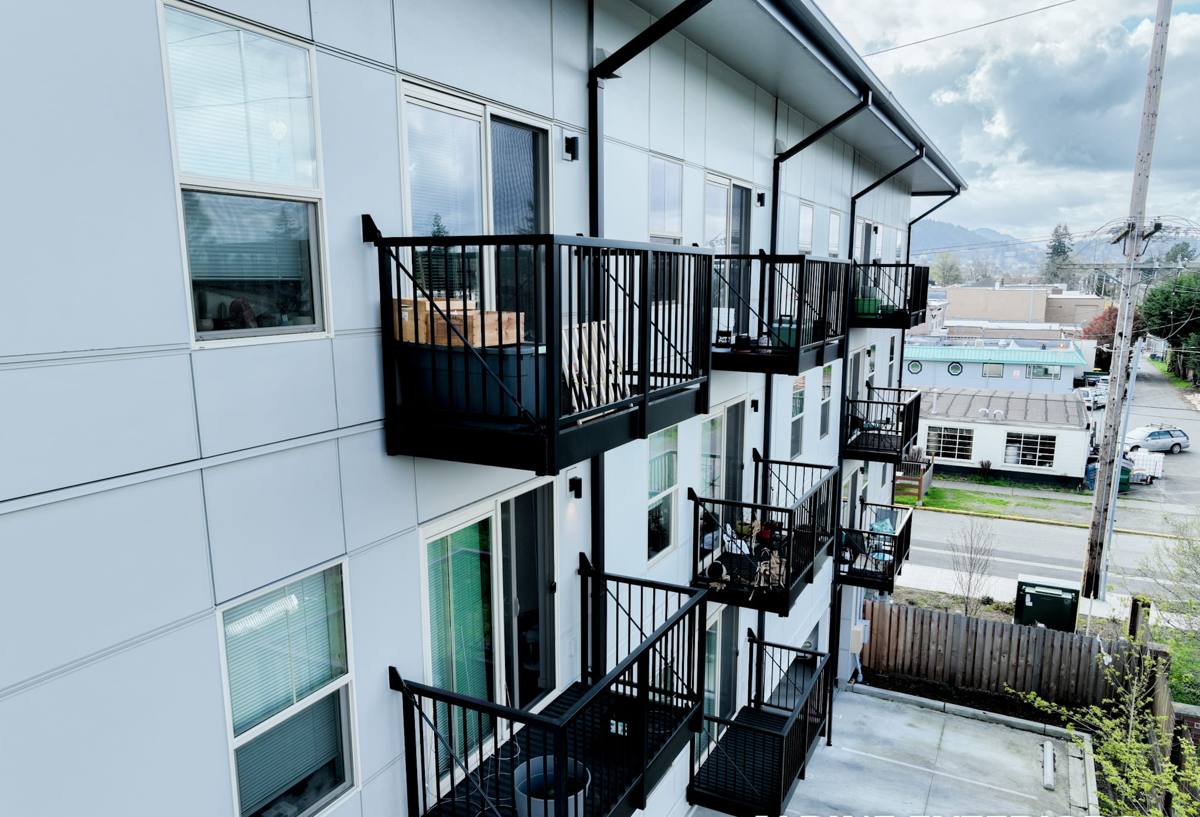
Ferndale and the surrounding Sumas area deal with driving rain that comes in sideways during winter storms, a moss season that can run most of the year in shaded, north-facing spots, and salt-laden air moving in off the coast that accelerates corrosion on anything metal or under-protected. Board and batten siding has more seams per square foot than lap siding, and every one of those seams is a place where wind-driven rain can push moisture behind the cladding if the install isn't detailed correctly.
Moss is the other issue. A north wall or a section shaded by mature trees stays damp longer here than it does almost anywhere else in the state, and moss holds moisture directly against the batten strips and panel joints. On wood board and batten, that trapped moisture is exactly what starts rot at the battens first, since they're the thinnest, most exposed part of the assembly. On fiber cement, the material itself doesn't rot, but the installation still needs a drainage path so water isn't sitting behind the panels indefinitely.
Why the Vertical Seams Matter More Here
On a standard lap-sided wall, gravity does most of the work moving water down and off the wall. Vertical board and batten relies more heavily on the quality of the seal at each batten and on proper flashing at the top and bottom of the wall. In a climate with sustained wind-driven rain, a batten that's caulked instead of properly lapped and fastened will let water in eventually — it's a matter of when, not if.
The James Hardie Board & Batten System
We install board and batten as a HardiePanel vertical siding system with HardieTrim battens over the panel seams, all in the HZ5 product line engineered for the Pacific Northwest's moisture and temperature swings. This isn't the same as nailing individual boards up one at a time. The panels go up first over a drainage plane, the seams get covered and fastened per Hardie's specifications, and the battens are spaced and fastened to shed water rather than trap it.
Every panel and trim board comes factory-finished with ColorPlus Technology, a baked-on finish that's more consistent and more resistant to fading, chipping, and moisture intrusion than field-applied paint. That matters more on vertical siding than horizontal, because vertical grain lines and butt joints show wear and touch-up paint mismatches more visibly than a lapped horizontal profile does.
Why We Don't Install Wood, LP, or Vinyl Board & Batten
Real wood board and batten looks great on day one, and we understand why homeowners want it. But wood siding in this climate needs re-caulking, re-painting, and periodic replacement of individual boards as moisture and moss take their toll — the battens especially, since they're the first thing to trap water against end grain. LP SmartSide performs better than raw wood in some respects but is still an engineered wood product with a strand-based core, which means it's still vulnerable to moisture intrusion at cut edges and seams if the installation or maintenance schedule slips. Vinyl board and batten avoids rot entirely, but it's a thin, flexible material that can warp in direct sun, crack in freezing temperatures, and doesn't hold paint if a homeowner ever wants to change the color. None of these are defects so much as trade-offs — trade-offs we don't think are worth it on the vertical, seam-heavy profile of board and batten in a wet, mossy, salt-air climate. Fiber cement doesn't have a combustible core, doesn't absorb water the way wood or wood-composite products do, and holds its factory finish for decades rather than years.
What a Correct Installation Involves
Board and batten fails or succeeds based on details most homeowners never see once the wall is closed up. Here's what we build into every job:
- A weather-resistant barrier installed and lapped correctly behind the panels, with all penetrations sealed before any siding goes up
- A drainage gap (furring strips or a rainscreen product) so any moisture that does get behind the cladding has a path to drain and dry instead of sitting against the wall sheathing
- Panel seams and battens fastened per James Hardie's published fastening schedule, not just caulked over — caulk is a backup, not the primary water management strategy
- Proper flashing at window and door heads, wall-to-roof transitions, and the base of the wall, since these are the highest-risk spots for driving rain intrusion
- Correct batten spacing and fastening so battens don't trap standing water against the panel face, especially on shaded or north-facing walls where moss pressure is highest
- Factory-primed or ColorPlus-finished cut edges sealed in the field, since an unsealed cut edge is the one place fiber cement can take on moisture
- Clearance from grade, decks, and roof lines maintained per code and manufacturer spec, so splashback and roof runoff don't sit against the bottom course
Our Process on a Sumas Job
We start with a walk-around of the house to check the existing wall assembly, look for signs of past moisture damage (especially on north and west-facing walls, which take the worst of the wind-driven rain here), and confirm the wall condition can accept a rainscreen assembly. From there we scope the tear-off, house wrap, flashing details around every window and door, panel and batten layout, and trim.
During installation we follow James Hardie's fastening and clearance specs exactly, because that's what keeps the manufacturer's warranty intact — a board and batten job installed off-spec can void coverage even if the material itself is sound. We finish with detailed caulking at the trim-to-panel and trim-to-window transitions, using sealants rated for this climate's freeze-thaw and wet-dry cycling.
Why Local Experience with This Profile Matters
Board and batten is less forgiving of a rushed install than lap siding. A crew that mostly installs horizontal siding and treats board and batten as "the same thing but vertical" will often skip the drainage gap or under-fasten the battens, because those steps aren't as obvious from the ground once the wall is closed up. We install this profile regularly around Ferndale and Sumas and build the rainscreen and flashing details in as standard practice, not as an upgrade.
Comparing Board & Batten Material Options
| Factor | James Hardie Fiber Cement | Wood | LP SmartSide | Vinyl |
|---|---|---|---|---|
| Moisture resistance | Engineered for wet climates; won't rot | Absorbs water; battens rot first | Resists water better than raw wood, vulnerable at cut edges | Won't rot, but can trap moisture behind panels |
| Moss/algae resilience | Factory finish resists staining | Holds moisture, feeds moss growth | Moderate; depends on coating upkeep | Resists moss growth on the surface itself |
| Fire performance | Non-combustible core | Combustible | Combustible engineered wood | Can soften/melt near heat sources |
| Finish longevity | ColorPlus factory finish, decades-rated | Repaint every 3-7 years | Field or factory finish, moderate lifespan | Color molded in; fades over time, not repaintable |
| Typical upfront cost | Mid-to-higher | Mid-to-high, varies by species | Lower-to-mid | Lowest |
| Warranty structure | Long-term, transferable manufacturer warranty | Typically none beyond installer | Manufacturer warranty, shorter term | Manufacturer warranty, prone to exclusions on warping |
Maintenance After Installation
One of the practical advantages of a correctly installed Hardie board and batten system in this climate is how little upkeep it needs. There's no repainting cycle to plan around. Homeowners should still rinse down the siding once or twice a year, especially on shaded walls where moss and mildew build up fastest, and keep an eye on caulking at trim joints over time the way you would with any exterior product. Beyond that, the system is built to be left alone for long stretches, which is a meaningful difference from wood board and batten's ongoing paint and caulk schedule.
What This Means for Your Sumas Property
If you're considering board and batten for a home in or around Sumas, the profile itself is a good fit for this region's architecture. What determines whether it holds up is the assembly behind the panels — the drainage plane, the flashing, the fastening — combined with a material that doesn't degrade when that assembly inevitably takes on some moisture over a Whatcom County winter. That's the combination we build every board and batten project around.
If you'd like to talk through options for your home, we offer a free, no-pressure estimate — fill out the form below and we'll walk the property with you.