 Ferndale Exterior
 James Hardie Siding for Sumas, Built by a Crew That Works This Area
Sumas sits at the far eastern edge of Whatcom County, hard against the Canadian border, in flat farmland that feels different from the coastal neighborhoods closer to Bellingham Bay. But the weather doesn't respect that line on a map. Marine air moving in off the Salish Sea still reaches this far inland, driving rain rolls through the valley just as hard as it does closer to the water, and the moss season here runs about as long as anywhere else in the county. If you're planning a re-side in Sumas, the product and the installer both matter, and we install James Hardie fiber cement siding exclusively, on every job, in every neighborhood we work.
This page is about one thing: what a correct James Hardie install looks like for a Sumas home, why the local climate makes the product choice matter, and why hiring a crew that already works this specific stretch of Whatcom County is worth something you can't get from a contractor driving in from out of the area for the day.
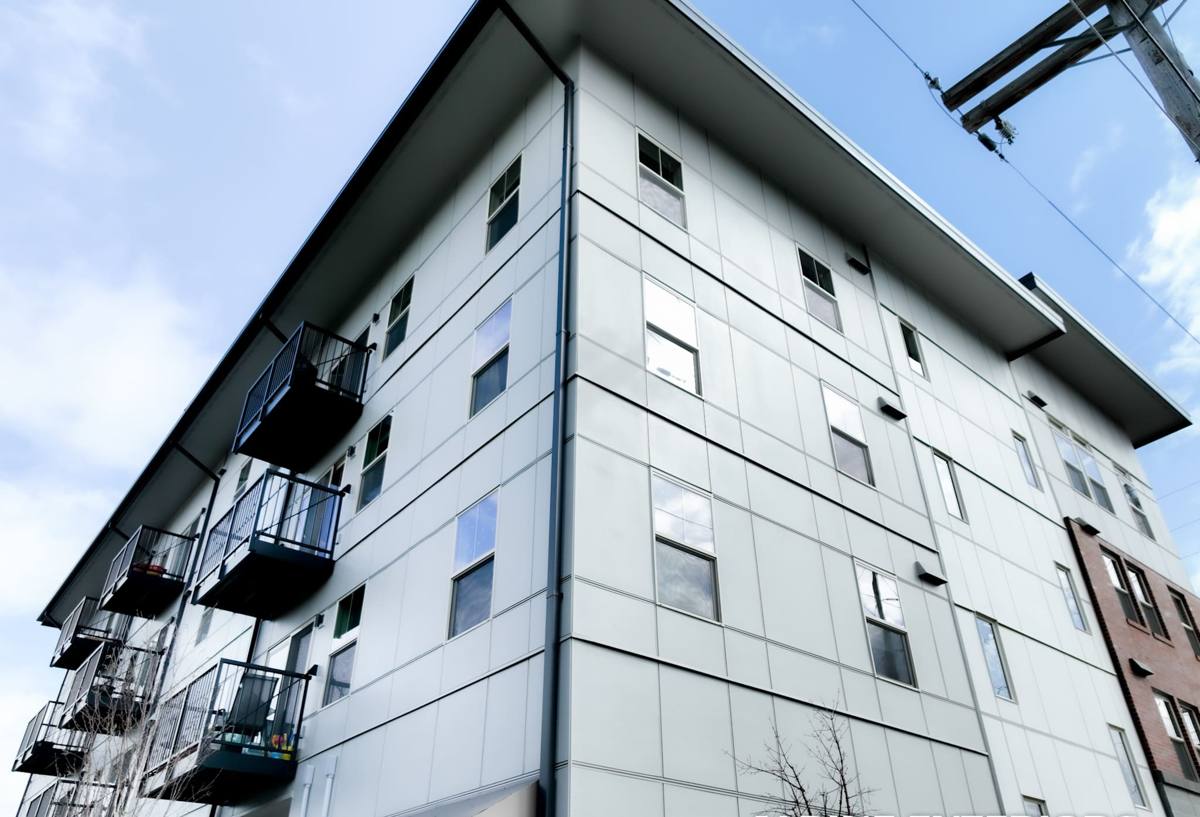
What Sumas Weather Actually Does to Siding
Driving Rain on Flat, Low Ground
Sumas sits low in the Sumas Prairie, and flat, low-lying ground handles storm water differently than a hillside lot does. When wind pushes rain sideways into a wall, which happens often here, it doesn't just run off; it gets driven into seams, corners, and anywhere the flashing detail is doing less than it should. Siding that isn't built and installed to shed wind-driven rain, not just rain falling straight down, tends to show water damage first at those weak points.
Marine Air Reaching the Valley
Sumas is inland, and it doesn't take the same direct exposure a beachfront property does. But weather systems moving off the Salish Sea still carry salt-tinged marine air across the county, and that moisture reaches into the valley more than most homeowners assume. Combined with the area's own humidity from farmland and river bottomland, it adds up to a sustained damp exposure that plain wood or poorly sealed engineered siding doesn't hold up against as well over time.
A Long Moss and Mildew Season
Persistent regional dampness and mild temperatures keep moss and mildew active across a large part of the year here, and it shows up first on shaded, north-facing walls. It's not just a cosmetic problem; sustained moss growth holds moisture directly against the wall assembly, which is exactly the condition that leads to hidden rot behind the siding if it isn't addressed.
Cold Snaps and Freeze-Thaw
Being further from the moderating effect of open water, Sumas sees sharper winter cold snaps than towns right on the coast. Water that's worked its way into a porous or poorly sealed material and then freezes expands, which speeds up cracking and material failure in a way a purely wet-but-mild climate wouldn't.
Why James Hardie Fits This Combination
We don't install James Hardie because it's the only siding on the market; plenty of products have a place. We install it exclusively because, after years of jobs across Whatcom County, it's the one system we've consistently seen hold up against this specific mix of driving rain, sustained damp, moss, and freeze-thaw without turning into a maintenance project for the homeowner a few years down the road.
- Non-combustible fiber cement core: It doesn't feed a fire the way wood-based siding can, which matters for both household safety and insurance underwriting.
- Factory-applied ColorPlus finish: The color is baked on under controlled conditions instead of brushed on in the field, so it resists fading and moisture intrusion far longer than a site-painted finish.
- HZ5 climate-engineered formulation: Hardie builds different product formulations for different climate zones; the HZ5 line is engineered for regions with sustained moisture and freeze-thaw cycling, which is exactly Sumas's profile.
- Dimensional stability: Fiber cement doesn't swell, cup, or warp the way engineered wood siding can after repeated wet-season moisture cycles.
- Transferable warranty: Hardie's warranty coverage, when the install follows spec, generally transfers to a future buyer, which is real protection rather than a sales line.
We don't install LP SmartSide, vinyl siding, Cemplank, Allura, primed spruce, or cedar. Each has a place in the broader market, and plenty of homeowners elsewhere are satisfied with them. We made a professional call that standing behind one system we trust completely is worth more than offering a menu of options we'd have to hedge on when something goes wrong.
What a Correct Install Involves
Fiber cement's real-world performance depends heavily on installation quality. A rushed or out-of-spec job can undercut even the best siding material, and this is where most of the gap between a good re-side and a problem re-side actually comes from.
- Manufacturer-specified clearances from grade, roofline, and decking, which keeps splash-back and standing moisture off the board edge
- Correct fastener type, spacing, and depth, which prevents cracking and keeps the water-resistive barrier behind the siding intact
- Proper flashing at every window, door, and penetration, which directs wind-driven rain away from seams instead of trapping it
- Factory-cut edges used wherever the layout allows, with field cuts sealed per spec, which preserves the factory finish's protection at every edge
- A drainage plane or rain screen behind the siding, which lets any moisture that gets past the surface drain and dry instead of sitting against the sheathing
- Existing sheathing checked and repaired before new siding goes up, since covering rot instead of fixing it just hides the problem
Every one of these details matters more in a climate that sees this much sustained moisture. Skipping any of them doesn't show up on day one; it shows up two or three wet seasons later, as a callback nobody wants to make.
Our Process on a Sumas Job
- Walk and assess: We look at the existing siding, trim, and any visible moisture or rot signs, and talk through what we're seeing directly with you.
- Written estimate: You get a clear scope and price before anything is scheduled, with no vague allowances that turn into surprise change orders.
- Tear-off and sheathing check: Old siding comes off, and we inspect the sheathing underneath before anything new goes up. If there's hidden damage, we tell you before we cover it, not after.
- Weather barrier and flashing: The drainage plane, flashing, and window and door detailing go in first, since this is the layer doing the real work once the siding is on.
- Hardie install to spec: Boards, fasteners, and clearances go in per James Hardie's manufacturer specification, not a generic "siding install" approach.
- Final walkthrough: We go over the finished job with you before calling it done, so you know exactly what was installed and how it's warrantied.
Why a Crew That Already Works Sumas Matters
Sumas is a small community, and it's easy for a contractor based somewhere else to treat it as an afterthought, a job they swing by for once and never see again. That shows up in small but real ways: not accounting for the area's specific moisture and wind exposure, underestimating drive time and scheduling around it, or simply being hard to reach if a warranty question comes up a couple of years later.
We work this stretch of Whatcom County regularly, which means we're not learning the area's weather pattern for the first time on your job. We've opened up enough walls out here to know what driving rain and a long moss season actually do to a wall assembly over time, and we bring that experience to every estimate rather than a generic siding pitch that could apply to any house in any climate.
Cost Factors for a Sumas Siding Project
| Factor | How It Affects the Job |
|---|---|
| Home size and wall complexity | More square footage and more corners, gables, and trim detail mean more labor and material |
| Condition of existing sheathing | Hidden rot found during tear-off adds repair cost before new siding can go on |
| Siding profile and Hardie product line | Lap, shingle, and panel styles vary in material cost and installation time |
| Trim and accessory work | Fascia, soffit, and trim replacement alongside siding adds scope but avoids mismatched materials later |
| Access and site conditions | Tight lots, outbuildings, or difficult access can add setup and staging time |
We don't quote a number without walking the property first; a phone estimate on siding is a guess, and we'd rather give you an accurate one.
Maintenance and Long-Term Care
One practical advantage of fiber cement in a climate like this is how little upkeep it asks for compared to wood-based siding. There's no repainting schedule to keep, since the ColorPlus finish is factory-applied and holds up for years under normal conditions. That said, no siding is maintenance-free.
- Rinse shaded and north-facing walls periodically to slow moss and mildew buildup before it takes hold
- Keep gutters clear so overflow doesn't run down the wall face during heavy storms
- Check caulking at trim joints and penetrations every year or two, since caulk wears out well before the siding does
- Trim back vegetation and landscaping that keeps a wall shaded and damp longer than it needs to be
If you're weighing a re-side in Sumas, we're glad to come take a look, tell you honestly what we see, and put together a straightforward estimate, no pressure and no upsell script. Reach out using the form below to get started.