 Ferndale Exterior
 Windows Built for Birch Bay's Weather, Not Just Any Weather
Birch Bay sits right on the water, and that changes what a window has to survive. Homes a few miles inland in Ferndale deal with a lot of the same Whatcom County rain, but Birch Bay properties also take on salt-laden air, near-constant onshore wind, and driving rain that hits window walls at an angle instead of falling straight down. Add in the long stretch of gray, damp months where moss and mildew get a foothold on anything that stays wet, and you have a set of conditions that punishes a poorly chosen or poorly installed window faster than almost anywhere else in the county.
"Custom windows" doesn't mean fancy shapes or oversized glass, though we do plenty of that too. It means windows sized, framed, and flashed to fit your specific openings and your specific exposure — not a generic big-box unit forced into a rough opening that was never quite square to begin with. On the coast, that fit is what keeps water out for the next twenty years instead of the next two.
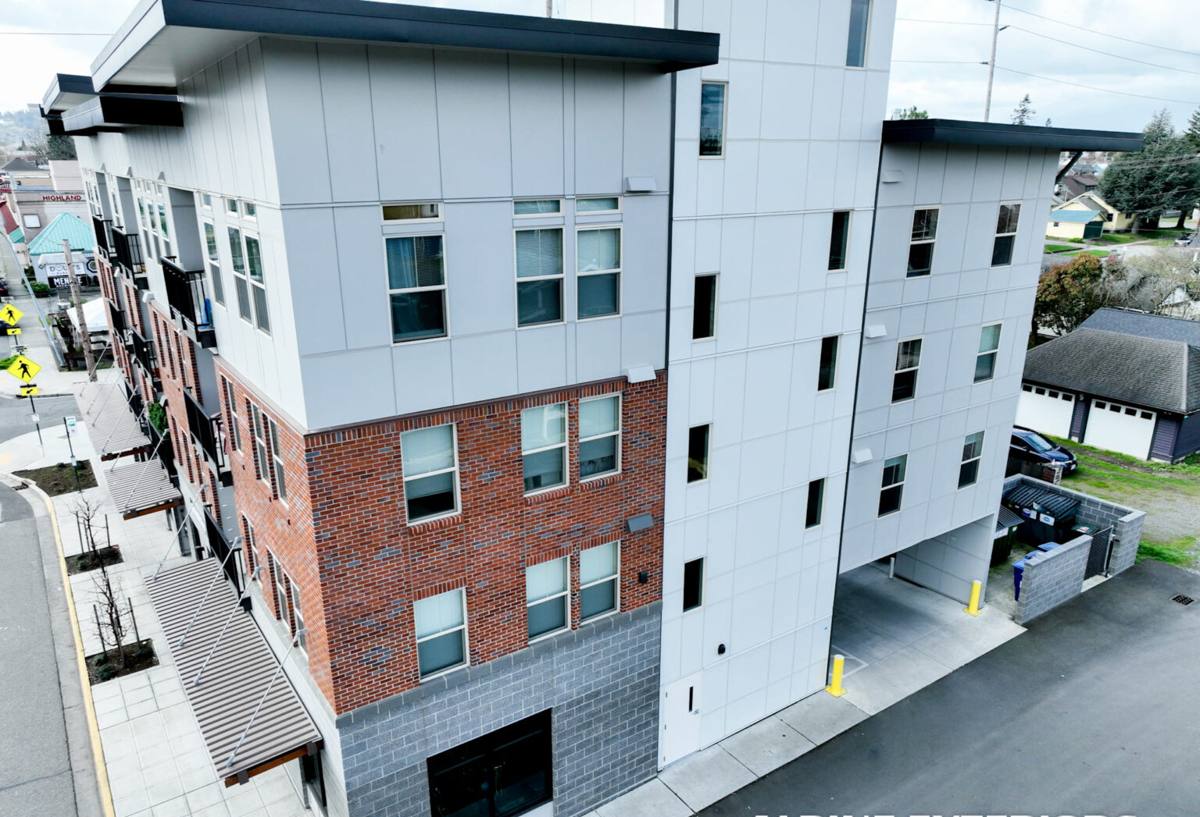
What Salt Air and Coastal Rain Actually Do to a Window
Salt Air
Airborne salt is corrosive to a lot of the hardware inside a window assembly — cranks, hinges, screws, and especially unprotected or poor-quality aluminum components. It also accelerates the breakdown of certain finishes and sealants over time. This is why frame material and hardware quality matter more here than they would on an inland Ferndale lot.
Wind-Driven Rain
When rain comes in sideways off the bay, it tests the flashing and the seal around the window, not just the glass. A window that would be perfectly fine under a straight-down rain in a sheltered yard can leak at a Birch Bay property simply because the water is being pushed under the trim and into the wall assembly rather than running off the surface.
Moss and Moisture Season
Whatcom County's damp season runs long, and anywhere moisture sits — on a sill, in a corner joint, behind trim that isn't sealed correctly — you'll eventually get moss, mildew, or soft wood. Custom-fit windows with correctly detailed exterior trim shed water instead of holding it, which is the difference between a window that just needs occasional cleaning and one that starts rotting the framing around it.
Signs Your Current Windows Aren't Holding Up
If your home is exposed to bay wind and weather, a few warning signs are worth acting on before they turn into a bigger repair:
- Fogging or a hazy film between panes of double-pane glass (a failed seal — the argon gas has escaped)
- Soft, discolored, or bubbling trim or sill wood around the window
- Drafts you can feel with your hand near the frame on a windy day
- Windows that are difficult to open, close, or lock — often a sign the frame has shifted or swollen
- Visible moss, black staining, or persistent mildew on the exterior sill or lower trim
- Paint or finish peeling specifically around the window opening, even if the rest of the wall looks fine
- Water staining on interior drywall or trim below or beside a window
Any one of these on its own might just need attention. Several together, especially on the side of the house facing the water, usually means it's time to talk about replacement rather than another round of caulk and patch.
What a Correct Custom Window Installation Involves
A window replacement done right is mostly about what you can't see once it's finished. The glass and frame get the attention, but the flashing, sealing, and fit are what actually keep water out over time.
Assessment and Measurement
We start by looking at the actual condition of the rough opening — not just the window that's currently sitting in it. On coastal homes, it's common to find some degree of hidden moisture damage around older or poorly sealed windows, especially on walls that take the brunt of the weather. We measure for a true custom fit rather than assuming a standard size will work, and we flag any framing or sheathing repair that needs to happen before a new window goes in.
Removal Without Making Things Worse
Careless removal can damage siding, trim, or house wrap that's otherwise fine. We remove the old unit carefully, inspect the opening once it's exposed, and address anything we find — soft framing, missing or failed house wrap, old flashing that was never installed correctly — before the new window goes in.
Flashing and Sealing
This is the step that matters most in a place like Birch Bay. Proper flashing directs water that gets past the exterior trim back out and away from the wall, using a shingled, overlapping sequence (not just a bead of caulk around the edge). Sill pan flashing at the bottom of the opening is especially important on wind-driven-rain exposures, since it gives any water that does get in a way out instead of a place to sit.
Setting, Shimming, and Fastening
A window has to be plumb, level, and square in the opening, shimmed correctly so it isn't under stress that will eventually crack a seal or bind the operation. Fastening follows the manufacturer's schedule so the warranty stays valid — skipping this step is one of the most common ways a technically "new" window ends up failing early.
Interior and Exterior Finish
Insulation gets packed correctly around the frame (overpacking causes bowing), and exterior trim is sealed with the right products in the right order — sealant is a backup to good flashing, not a substitute for it.
Choosing the Right Frame Material for a Coastal Property
Frame material has a real impact on how a window holds up to salt air and constant moisture. There's no single "best" choice for every home — it depends on your budget, your home's style, and how exposed your walls are.
| Frame Material | Coastal Performance | Maintenance | Typical Trade-Off |
|---|---|---|---|
| Vinyl | Good corrosion resistance, no rust concerns | Low — occasional cleaning | Fewer color/finish options; can flex in large sizes |
| Fiberglass | Very good — stable in wet/dry cycling, resists warping | Low | Higher upfront cost than vinyl |
| Wood-clad | Depends heavily on cladding and detailing quality | Higher — exposed wood needs monitoring | Classic appearance, more sensitive to installation quality |
| Aluminum | Prone to corrosion in salt air unless properly finished | Moderate | We generally steer clients away from bare aluminum on bay-front exposures |
We're upfront about this: on a direct bay-facing wall, we'll usually steer you toward vinyl or fiberglass for the sash and frame, because they simply hold up better against salt exposure with less long-term upkeep. That's a maintenance and moisture-performance call, not a knock on wood-clad windows — they can be a great choice on more sheltered elevations of the same house.
Our Process, Start to Finish
- Free on-site assessment — we look at your existing windows, check for hidden moisture or framing issues, and talk through what your home actually needs given its exposure.
- Written estimate — clear pricing, frame material options, and a realistic timeline, with no pressure to decide on the spot.
- Precise measurement and ordering — custom sizing for your actual openings, not a generic stock size.
- Installation — careful removal, opening inspection, proper flashing and sealing, correct shimming and fastening.
- Walkthrough and cleanup — we test operation, review the work with you, and clean up the site before we leave.
What Affects the Cost of a Custom Window Job
| Factor | Why It Matters |
|---|---|
| Frame material | Vinyl is typically the most budget-friendly; fiberglass and wood-clad cost more upfront |
| Window size and shape | Custom or non-standard shapes require more precise fabrication and fitting |
| Number of windows | Doing several at once is usually more cost-efficient than one at a time |
| Condition of the opening | Hidden rot or moisture damage found during removal adds repair time |
| Exposure level | Direct bay-facing walls may call for higher-grade sealing and flashing details |
| Glass package | Upgraded low-E coatings or gas fills affect both price and energy performance |
We're honest about broad ranges during the estimate rather than quoting a number before we've actually seen your openings — the condition behind the old window can change the scope more than the window itself does.
Why It Matters That We Already Work in Birch Bay
A crew that mostly installs windows on sheltered, inland lots doesn't always think in terms of wind-driven rain and salt exposure by default — it's an extra consideration they have to remember. For us, it's routine. We know to prioritize sill pan flashing on bay-facing walls, to steer clients away from bare aluminum on exposed elevations, and to check for the kind of hidden moisture damage that shows up more often on Birch Bay homes than on a typical Ferndale side street. That familiarity shows up in the small decisions made on-site, not just in the sales pitch.
We're also a local crew, which means we're not disappearing after the install. If a question comes up a year or two down the road about how a window is performing in a storm, you're calling people who are still working in your neighborhood, not a call center for a national franchise.
Getting Started
If your Birch Bay home has windows showing wear from salt air, wind, or moisture, or you're planning a renovation that includes new openings, we're happy to take a look. The estimate is free, there's no pressure, and you'll get straight answers about what your home actually needs — use the form below to get started.