 Ferndale Exterior
 Roofing Built for Fairhaven's Coastal Conditions
Fairhaven sits close enough to the water that homes here take a different kind of weathering than roofs just a few miles inland. Salt-laden air moves through on the wind, driving rain comes in sideways off the water more often than most homeowners expect, and the shaded, damp lots common in this part of Whatcom County give moss and algae a long season to take hold. An asphalt shingle roof that's installed the same way everywhere else in the county will often underperform here — not because asphalt shingles are the wrong material, but because the details of the installation need to account for what this specific location does to a roof over time.
This page covers what a correctly installed asphalt shingle roof looks like for a Fairhaven home: the material choices that make sense in this climate, what the installation itself has to get right, and why a crew that already works this neighborhood tends to catch problems that a one-time visiting contractor won't.
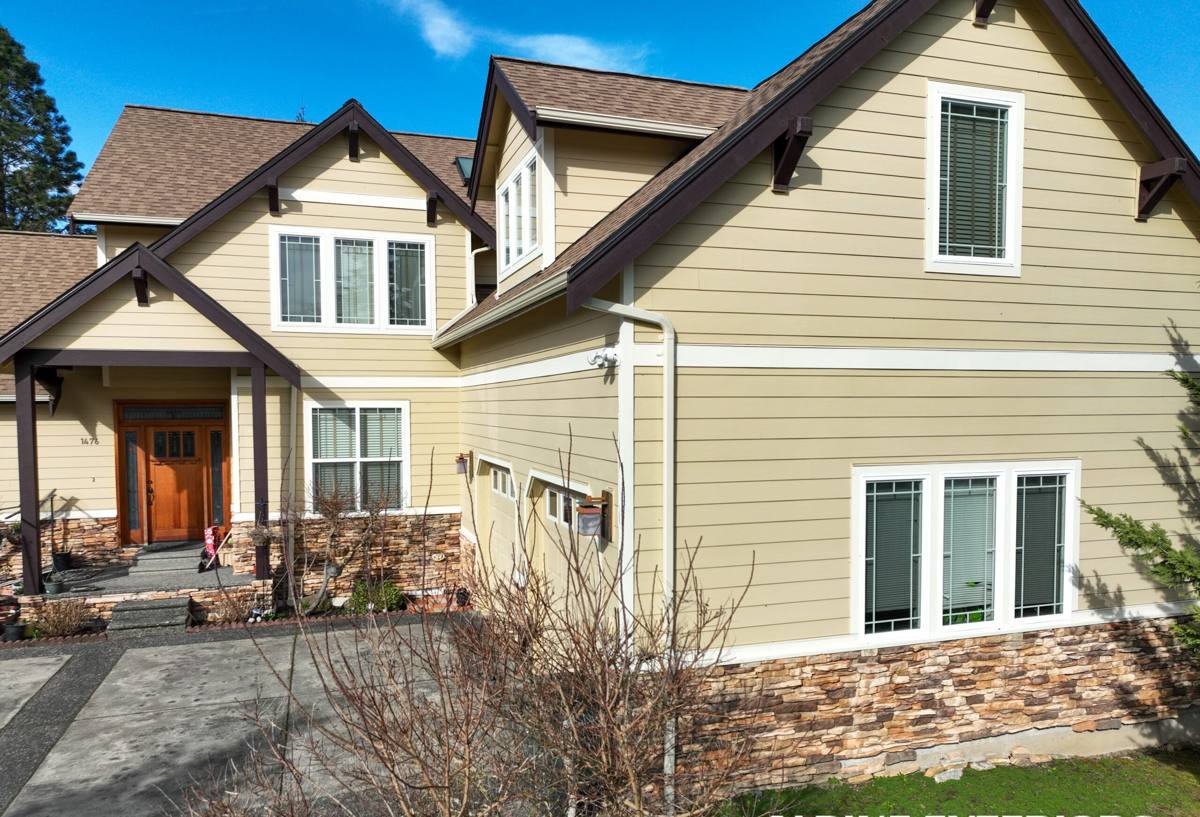
What Salt Air, Rain, and Moss Actually Do to a Shingle Roof
Each of these three factors stresses a roof in a different way, and understanding the mechanism helps explain why certain installation choices matter more here than they would on a dry, inland roof.
Salt Air and Metal Components
Asphalt shingles themselves tolerate salt air reasonably well, but the metal parts of a roofing system — flashing, drip edge, nail heads, ridge vents, and any exposed fasteners — are where salt exposure shows up first. Standard galvanized fasteners and lower-grade flashing corrode faster near the coast, and once a fastener or flashing seam starts to fail, water finds its way underneath the shingles long before the shingles themselves look worn.
Driving Rain and Wind-Driven Water
Rain that comes in at an angle, rather than falling straight down, tests parts of a roof that vertical rain never touches: the underside of shingle tabs, valleys, and the transitions around chimneys, skylights, and wall intersections. A roof designed for calmer weather can pass a straightforward rain test for years and still leak the first time a real coastal storm pushes water sideways under an eave or up a valley.
Moss and Algae Growth
Shaded, moisture-retentive roof sections — the north-facing slopes, areas under overhanging trees, and low-slope valleys — stay damp longer after every rain. Over a full Pacific Northwest wet season, that moisture supports moss growth that lifts shingle edges, holds water against the roof deck, and shortens the life of the shingles well before their rated lifespan runs out.
Choosing the Right Shingle Line for a Coastal Whatcom County Home
Not every asphalt shingle product is built the same way, and for a Fairhaven roof, the differences that matter most are wind rating, algae resistance, and how the shingle handles repeated wet-dry cycles rather than color or price alone.
| Shingle Type | Typical Lifespan | Best Fit for Fairhaven |
|---|---|---|
| Standard 3-tab | 15–20 years | Budget option; lower wind rating makes it a weaker fit for exposed, wind-driven-rain lots |
| Architectural / dimensional | 25–30 years | Our standard recommendation — heavier profile, better wind resistance, better moisture shedding |
| Premium algae-resistant architectural | 30+ years | Best choice for shaded, north-facing, or heavily treed lots prone to moss |
| Impact-resistant architectural | 25–30 years | Worth considering on exposed roofs that take repeated wind-driven debris |
We steer most Fairhaven homeowners toward an architectural shingle with built-in algae resistance (copper- or zinc-infused granules) as a baseline, not an upsell. On a roof with heavy shade or a north exposure, that granule treatment is doing real work — it doesn't stop moss forever, but it meaningfully slows the growth cycle compared to a standard shingle, which matters when the wet season here runs long.
What a Correct Installation Actually Involves
Shingle selection matters, but most roof failures we're called out to repair trace back to installation shortcuts, not bad shingles. A correct job on a coastal home covers each of the following.
Full Tear-Off and Deck Inspection
Layering new shingles over old is common practice in drier climates, but on a roof that's been absorbing coastal moisture for years, it hides deck damage instead of fixing it. We tear off down to the deck, inspect for soft spots, rot, and delamination, and replace any damaged sheathing before anything new goes down. Skipping this step is the single most common reason a "new" roof leaks within a couple of years.
Ice-and-Water Shield in the Right Places
Valleys, eaves, and areas around penetrations get a self-adhering waterproof membrane underneath the shingles, not just standard felt. This is the layer that actually stops wind-driven rain from working its way under the shingles in the spots where it's most likely to try.
Corrosion-Resistant Flashing and Fasteners
Given the salt air, we don't use bare galvanized flashing or standard fasteners on Fairhaven roofs. Stainless or properly coated flashing and fasteners cost a little more up front and hold up for decades longer in this environment — replacing corroded flashing is a much bigger job than installing the right material the first time.
Proper Nailing Pattern and Wind Sealing
Every shingle has a manufacturer-specified nailing pattern, and getting it wrong — too few nails, wrong placement, nail guns set too deep — is a leading cause of shingles lifting or blowing off in wind. We follow the manufacturer's pattern exactly, which also keeps the shingle's wind-rating warranty intact.
Balanced Attic Ventilation
A roof deck that can't breathe traps moisture from below, which shortens shingle life from the underside — a slower, less visible version of the same damage that comes from the top. We check and correct intake and exhaust ventilation as part of every full roof replacement, not as a separate add-on.
Our Process, Start to Finish
- On-site inspection and estimate — we look at the current roof, the deck condition where visible, ventilation, and the specific exposure of your lot (shade, slope direction, wind path) before recommending a shingle line.
- Written scope and material selection — you get a clear breakdown of what's being torn off, replaced, and installed, with shingle options suited to your home's exposure.
- Scheduling around the weather — we plan installation windows with realistic Whatcom County weather in mind, not just a calendar date, since a roof torn open mid-storm is a problem nobody wants.
- Tear-off, deck repair, and installation — full removal of old material, deck inspection and repair as needed, then underlayment, flashing, and shingles installed to manufacturer spec.
- Site cleanup and final walkthrough — magnetic sweep for stray fasteners, debris removal, and a walkthrough so you know what was done and what to watch for going forward.
Moss Prevention Is an Installation Decision, Not Just a Maintenance Task
A lot of moss treatment happens after the fact — homeowners hire someone to scrape and treat a roof that's already growing moss. We'd rather reduce how much moss takes hold in the first place, which starts during installation:
- Algae-resistant shingles on shaded or north-facing slopes
- Zinc or copper strips along the ridge on roofs with heavy tree cover, where rainwash carries trace metal down the slope and slows regrowth
- Proper valley and flashing work so water sheds fully instead of pooling in low spots
- Ventilation correction so the deck itself isn't retaining the moisture that feeds growth from underneath
None of this makes a roof moss-proof — nothing does, in this climate — but it changes how often you need to deal with it and how much damage accumulates in the meantime.
Ongoing Maintenance Checklist for Fairhaven Homeowners
A well-installed roof still needs occasional attention, especially given how long the wet season runs here. This is what we recommend homeowners stay on top of between professional inspections:
- Clear gutters and downspouts before the fall rains start, so water isn't backing up under the eaves
- Trim back tree limbs that overhang the roof to reduce shade, debris buildup, and physical abrasion on shingles
- Look for moss or dark streaking on north-facing slopes each spring, and address it early rather than letting it spread
- After any significant windstorm, do a visual check from the ground for lifted or missing shingles
- Have flashing around chimneys, skylights, and vent pipes checked every few years — these are the most common leak points on an otherwise sound roof
- Schedule a professional inspection roughly every two to three years, or sooner after major storms
What Affects the Cost of a Fairhaven Roof Replacement
| Factor | Why It Matters Here |
|---|---|
| Roof size and pitch | Steeper roofs and more complex rooflines take longer to install correctly and safely |
| Deck condition | Rot or soft sheathing found during tear-off adds repair cost but is far cheaper than deferring it |
| Shingle tier selected | Algae-resistant and higher wind-rated products cost more upfront but reduce long-term maintenance and reroofing frequency |
| Flashing and fastener grade | Corrosion-resistant materials cost more per roof but last significantly longer in salt air |
| Ventilation corrections | Adding or fixing intake/exhaust venting during a reroof is far less expensive than doing it as a separate project later |
| Access and site conditions | Steep lots, limited driveway access, or heavy tree cover can add setup and disposal time |
We don't publish blanket per-square pricing because these factors vary enough house to house that a number without an inspection isn't a useful one. What we can tell you upfront is that we price based on what your roof actually needs — not a generic package — and we'll walk through each line item with you before any work starts.
Why Local Fairhaven Experience Matters
A roofing crew that works this neighborhood regularly already knows which slopes hold moss longest, which lots take the worst of the wind-driven rain off the water, and which flashing details tend to fail first on homes with this kind of coastal exposure. That's not something you get from a general contractor passing through Whatcom County once a year — it comes from doing this work in this specific area, repeatedly, and paying attention to what actually goes wrong versus what the textbook says should happen.
We're a Ferndale-based crew, and Fairhaven's coastal conditions — the salt air, the driving rain, the long moss season — are conditions we build every estimate and every installation around, not an afterthought we address if it comes up.
If you're weighing a repair against a full replacement, or just want an honest read on how much life is left in your current roof, we're happy to take a look. Use the form below to request a free, no-pressure estimate.