 Ferndale Exterior
 Windows Built for Life Near the Water
Homes in and around Lummi Nation sit close to the Salish Sea, and that proximity shapes everything about how windows perform here. Salt-laden air drifts in off Bellingham Bay and the Strait of Georgia, driving rain comes in sideways more often than most manufacturers' warranty language assumes, and the long gray stretch of fall through spring keeps moisture sitting on glass, frames, and trim far longer than it does inland. Windows that would hold up fine in a drier part of the state can start failing early out here — fogging between panes, swelling sashes, corroding hardware, and creeping heating bills that never quite make sense until you feel the draft yourself.
Energy-efficient windows are not just about lower utility bills, though that matters. In this climate they're a moisture-management system, a wind barrier, and a comfort upgrade rolled into one. Getting the product and the install right the first time saves homeowners from repeat visits, rot repairs, and premature replacement.
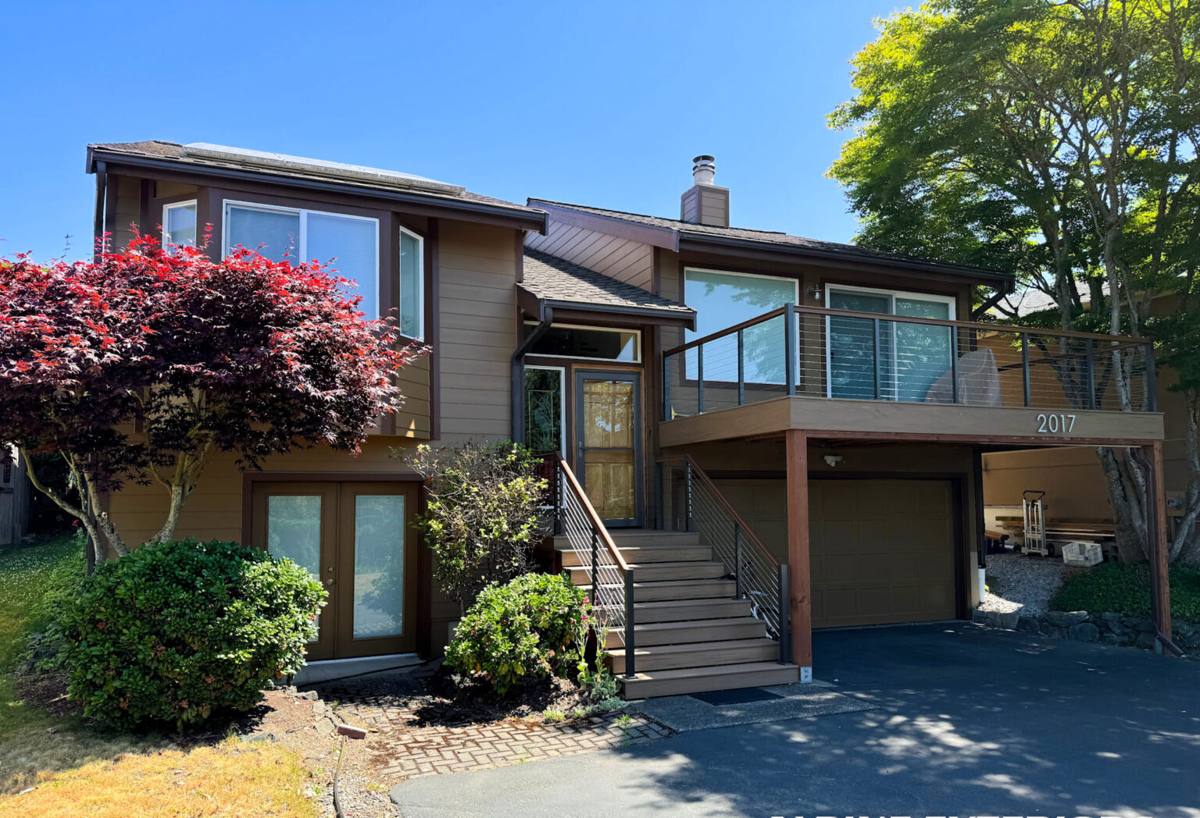
What Coastal Whatcom County Does to a Window
Salt Air
Airborne salt is corrosive to metal window components — hinges, balances, screws, and cheaper hardware finishes. Over years it can also degrade certain sealant systems and speed up the breakdown of low-grade weatherstripping. It's a slow process, but it's constant, and it's one of the main reasons hardware quality matters more here than in a typical inland install.
Driving Rain
Wind-driven rain off the water doesn't just fall on a window, it pushes against it. Flashing details, sill pans, and sealant work have to actually resist lateral water pressure, not just shed water that falls straight down. A window that's beautifully efficient on paper but installed with shortcuts around the flashing will leak here, and often not right away — sometimes not for a season or two, which is exactly why installation quality is as important as the product itself.
Moss and Prolonged Damp
Whatcom County's long moss season means anything organic-friendly — bare wood trim, shaded north-facing sills, areas with poor airflow — stays damp longer and is more prone to growth and slow wood decay. Window sills and exterior trim in shaded, tree-lined yards are especially exposed.
What Actually Makes a Window "Energy-Efficient" Here
Energy-efficient isn't a single feature, it's a combination of glass, frame, and installation working together. For this specific climate, a few factors matter more than others:
- U-factor: Measures how well the window resists heat loss. Lower is better for our cool, wet winters and helps keep heating costs down.
- Solar Heat Gain Coefficient (SHGC): Controls how much solar heat passes through the glass. In the Pacific Northwest we generally want a moderate SHGC — enough to capture some free winter warmth without overheating rooms with strong summer or west-facing exposure.
- Gas-filled, multi-pane glazing: Argon or krypton-filled double or triple panes with a warm-edge spacer reduce heat transfer and condensation at the glass edge, which matters when humidity is high most of the year.
- Frame material and construction: The frame has to resist moisture intrusion and hold its seal for decades, not just insulate well on day one.
- Weatherstripping and hardware quality: Compression seals and corrosion-resistant hardware keep performance consistent as the window ages in a salt-air environment.
Signs Your Current Windows Are Underperforming
Homeowners often live with a slowly worsening window problem for years before calling anyone, mostly because the signs show up gradually. Worth checking for:
- Fogging or a milky haze between panes — the seal has failed and the gas fill is gone
- Visible condensation or water staining on interior sills, especially in colder months
- A noticeable draft when standing near the window on a windy day
- Sashes that stick, won't stay open, or are hard to lock
- Soft or discolored wood trim around the frame
- Rooms near the water-facing side of the house that are consistently harder to heat
- Visible corrosion on hinges, cranks, or locks
Any one of these alone isn't an emergency, but two or three together usually means the window assembly — not just the glass — has reached the end of its useful life.
How We Approach a Window Job in Lummi Nation
Assessment First
We start by looking at exposure, not just the window itself — which walls face prevailing wind and rain, how much shade and moss pressure the sills see, and whether existing flashing and sill pans are doing their job. That assessment drives the product recommendation, not the other way around.
Correct Flashing and Sill Pan Detail
This is the step that determines whether a window leaks in five years or lasts three decades in this climate. A proper sill pan, correctly lapped flashing tape, and sealant placed in the right order — not just caulked over gaps — are non-negotiable on every install we do near the water.
Fit and Air-Seal
Gaps around the rough opening get properly insulated and air-sealed, not just stuffed with fiberglass. A window can have a great U-factor on paper and still perform poorly if the perimeter seal is sloppy.
Hardware and Finish Check
We favor hardware and finishes rated for coastal exposure, since standard-grade components tend to corrode faster this close to salt water.
Cleanup and Walkthrough
Every install ends with an interior and exterior walkthrough so you can see the sealant lines, operation, and locking hardware before we call the job done.
Comparing Frame Materials for a Salt-Air, High-Rain Climate
| Frame Material | Moisture Resistance | Maintenance | Notes for This Climate |
|---|---|---|---|
| Vinyl | Very good — won't rot or corrode | Low | Solid all-around choice for salt air and rain; quality varies a lot by manufacturer and reinforcement |
| Fiberglass | Excellent — very stable, minimal expansion/contraction | Low | Strong long-term option for driving rain exposure; higher upfront cost |
| Wood | Requires protection; vulnerable if seals or paint fail | High | Can work with diligent upkeep, but moss season and salt air make maintenance demands significant |
| Wood-clad (wood interior, metal/vinyl exterior) | Good if exterior cladding is intact | Moderate | Popular for interior warmth with better exterior protection; cladding seams are a detail worth checking |
| Aluminum | Prone to corrosion near salt air unless properly coated | Moderate | Generally not our first recommendation for waterfront exposure due to conductivity and corrosion risk |
There's no single "correct" frame material for every home — orientation, budget, and how exposed the house is to wind-driven rain all factor in. We'll walk through the honest trade-offs for your specific walls rather than push one product line across the board.
What Drives the Cost of a Window Project Here
| Factor | Why It Matters Locally |
|---|---|
| Number and size of openings | More or larger windows means more material and labor, straightforward but worth planning for room by room |
| Frame material chosen | Vinyl, fiberglass, and wood-clad options carry different material costs and long-term maintenance costs |
| Condition of the rough opening | Water-damaged sills or framing found during removal add repair scope before the new window can go in |
| Flashing and sill pan detail | Doing this correctly for driving-rain exposure takes more time than a quick caulk-and-go install, but it's what prevents leaks |
| Access and exposure of the wall | Water-facing or upper-story windows can require more setup time and weather-dependent scheduling |
| Glass package (double vs. triple pane, coatings) | Higher-performance glass costs more upfront but pays back faster in a climate with a long heating season |
Why Hiring a Crew That Knows Lummi Nation Matters
Window installation is a trade where local experience genuinely changes the outcome. A crew that has worked homes throughout the Ferndale area and around Lummi Nation already knows what this coastline does to a poorly flashed window, has seen which details fail first in salt air, and doesn't need to relearn those lessons on your house. That familiarity shows up in the small decisions — how much lap to give the flashing, which hardware finishes hold up, when to recommend a slightly higher-spec frame because of a home's specific wind exposure.
It also means realistic scheduling around actual regional weather patterns instead of a generic install timeline, and a crew that's used to working respectfully and efficiently in this community.
Maintaining Your Windows After Installation
Even a well-installed, high-quality window benefits from basic upkeep in this climate:
- Rinse salt residue off exterior frames and glass periodically, especially on water-facing walls
- Keep weep holes and drainage tracks clear of moss, debris, and dirt so water can escape as designed
- Check and refresh exterior caulking lines every year or two, since UV and moisture cycling break sealant down over time
- Trim back vegetation that keeps sills shaded and damp
- Operate locks and hardware periodically through the year so moving parts don't seize
None of this is complicated, but skipping it is how a good window install turns into an early replacement.
If your windows are drafty, fogged, or just past their prime, we're happy to take a look and give you an honest, no-pressure assessment of what your home actually needs. Fill out the form below for a free estimate.