 Ferndale Exterior
 Windows Built for the Sumas Stretch of Whatcom County
The Sumas area sits inland from Bellingham Bay but still catches the same weather pattern that defines exterior work across Whatcom County: long stretches of driving rain, damp air that never fully dries out between storms, and a moss and mildew season that can run eight months out of the year. Add in the salt-tinged air that pushes in off the Strait and up the valley on windy days, and you've got conditions that are hard on window frames, glazing seals, and flashing details in ways a drier climate never tests. A window that performs fine in Spokane or Boise can fail here in five years if it wasn't built or installed with this climate in mind.
This page is about one job, done right, for homes in and around Sumas: replacing old, failing, or inefficient windows with units and installation details that actually hold up to a Ferndale winter and pay you back on the heating bill. It's not a general window overview — it's what we've learned installing windows in this specific stretch of Washington.
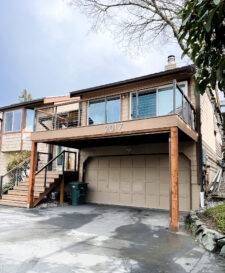
What Local Homes Are Actually Dealing With
Most of the window calls we get in the Sumas area fall into a few repeating patterns. None of them are exotic — they're just what happens to windows over time in a wet, temperature-swinging coastal climate.
Fogged or Failed Double-Pane Glass
Insulated glass units have a sealed air or gas gap between the panes. Once that seal breaks — usually from years of thermal cycling and moisture pressure — you get fog or haze between the panes that no amount of cleaning fixes. It's one of the most common reasons homeowners call us, and it's a clear sign the glass unit (and often the whole window) is due for replacement.
Wood Rot Around Frames and Sills
Older wood-frame windows, especially ones with painted-over caulk lines that were never properly maintained, are prone to rot at the sill and lower corners. Once water gets behind the exterior trim or under a failed sealant bead, it doesn't dry out quickly here — it sits, and the wood suffers for it.
Drafts and Cold Spots
Older aluminum-frame windows in particular conduct cold straight through the frame, and worn weatherstripping lets air move around the sash even when the window is latched shut. In a house that gets damp Pacific storms several months a year, that draft isn't just a comfort issue — it's condensation risk on interior sills and trim.
Condensation on the Inside of the Glass
When interior humidity meets a cold single-pane or poorly sealed double-pane window, you get moisture beading on the glass and sometimes running down onto the sill. Over time that moisture feeds mold and softens wood trim. Upgrading the glass performance is usually the actual fix, not just wiping it down more often.
What "Energy-Efficient" Actually Means for This Climate
Energy-efficient windows aren't a single product — they're a set of choices about glass, frame material, and installation that add up to better performance. For a Sumas-area home, the priorities are a little different than they'd be in a hot, dry climate, because the main enemy here is heat loss and moisture, not solar heat gain.
| Feature | Why It Matters Here |
|---|---|
| Low-E glass coating | Reduces heat loss through the glass in our long heating season; helps keep interior surfaces warmer, which cuts down on condensation |
| Argon or krypton gas fill | Improves insulating value between panes without adding bulk to the frame |
| Warm-edge spacer systems | Reduces the cold conductive edge around the glass, a common spot for condensation on older units |
| Vinyl or fiberglass frames | Won't rot like wood and don't conduct cold the way aluminum does; low maintenance in wet conditions |
| Proper NFRC-rated U-factor | The real measure of how much heat the whole window unit loses — frame and glass together, not just the glass |
We pay close attention to U-factor over marketing terms like "energy-efficient" printed on a sticker. U-factor and the window's air infiltration rating tell you what you're actually buying. For this region, we generally steer homeowners toward a lower U-factor than what's code-minimum, because the payback on heating costs is real over a Whatcom County winter.
Why the Installation Matters as Much as the Window
A high-performance window installed poorly will underperform a mid-grade window installed correctly — especially in a climate where wind-driven rain tests every seam. This is the part of the job that's easy to shortcut and hard to inspect after the fact, which is exactly why it deserves the most attention.
What a Correct Install Actually Involves
- Removing old windows without tearing out surrounding sheathing or siding more than necessary
- Checking the rough opening for existing rot or water damage before the new unit ever goes in — and repairing it, not covering it up
- Setting the window level, plumb, and square, with proper shimming so the frame isn't under stress
- Installing flashing tape and a drainage plane detail that sheds water down and out, not into the wall cavity
- Using a compatible, weather-rated sealant at the exterior — not just a bead of standard caulk
- Insulating the gap between the window frame and rough opening properly, without overpacking it (which can bow the frame)
- Finishing interior and exterior trim so the whole assembly sheds water and looks right
That flashing and drainage step is the one we see skipped most often on older re-installs in this area, and it's usually the reason a homeowner ends up with rot around a window that's only a few years old. Wind-driven rain off the Strait doesn't forgive a shortcut there.
Frame Material: What We Recommend and Why
We get asked often about wood versus vinyl versus fiberglass, and the honest answer depends on the house and the homeowner's priorities — but for this climate, moisture behavior matters more than most other factors.
Vinyl
Good value, low maintenance, doesn't rot, and performs well thermally. The trade-off is that vinyl frames can be more limited in color and profile options, and very low-end vinyl can warp under sustained UV and temperature swings. We only install mid- to upper-tier vinyl lines for that reason.
Fiberglass
More dimensionally stable than vinyl across temperature swings, very low maintenance, and holds paint well if you want to match existing trim colors. Costs more upfront. For homes that see a lot of temperature and moisture cycling, it's often worth the difference.
Wood and Wood-Clad
Still the best-looking option for a lot of historic or traditional homes, but it demands real maintenance in this climate — repainting, caulk inspection, and prompt attention to any finish failure. We'll install it when a homeowner wants that look and understands the upkeep, but we're upfront that it's more maintenance-intensive here than in a drier climate.
We don't push a single brand or material on every home. What we do insist on is a documented warranty structure, a frame that's rated for coastal Pacific Northwest exposure, and glass packages that make sense for our heating-dominated climate rather than a cooling-dominated one.
Our Process, Start to Finish
- On-site assessment. We look at every window being considered, check for existing rot or moisture issues, and measure actual openings — not just count units off a spec sheet.
- Honest recommendation. We tell you which windows need replacing now, which can wait, and which glass and frame options fit your home and budget.
- Written estimate. Clear pricing, clear scope, no vague allowances.
- Scheduling around the weather. We plan installs to minimize how long any opening sits uncovered, which matters a lot when rain can show up on short notice.
- Installation with proper flashing and sealing. Every unit gets the same drainage-first detailing described above, regardless of window brand.
- Final walkthrough. We check operation, sealing, and trim finish with you before we call it done.
Cost Factors Homeowners Should Understand
We won't quote a number on a page like this — every home is different — but here's what actually moves the price on a Sumas-area window project.
| Factor | Effect on Cost |
|---|---|
| Number of windows and openings | Larger and more numerous openings raise material and labor cost |
| Existing rot or structural repair needed | Hidden damage found during removal adds labor; this is common on older homes here |
| Frame material chosen | Vinyl is generally most affordable, fiberglass and wood cost more upfront |
| Glass package (Low-E, gas fill, tempered where required) | Higher-performance glass costs more but reduces long-term heating costs |
| New construction vs. retrofit/replacement install | Retrofit into an existing, sound frame is typically less labor than a full-frame tear-out |
| Custom sizes or shapes | Non-standard openings require custom-order units, which adds cost and lead time |
The single biggest cost swing we see on older Sumas-area homes is hidden rot discovered once the old window comes out. We flag what we can during the initial assessment, but some damage only shows up once the opening is exposed — and we'll always show you what we find before doing repair work, not surprise you with it on the invoice.
Why a Local Crew Matters for This Job
Window installation is one of those trades where local experience shows up in the details you can't see from the street. A crew that works Ferndale and the Sumas area regularly already knows how this region's rain behaves, how moss and moisture accumulate on north-facing walls, and which flashing and sealant details actually hold up through a full Whatcom County winter rather than just looking good on installation day. That's not something you get from a national franchise that flies a crew in for a week.
We're also around after the job is done. If a seal needs a second look after the first heavy storm season, or a settling issue shows up in year two, we're a short drive away — not a call center for a company based somewhere warm and dry.
Get a Straight Answer on Your Windows
If you're dealing with fogged glass, drafts, visible rot around a window frame, or you're just planning ahead before the next wet season sets in, we're happy to take a look and give you an honest read on what needs doing now versus what can wait. Reach out for a free, no-pressure estimate using the form below — we'll walk your windows with you and give you a straight answer, not a sales pitch.