 Ferndale Exterior
 Window Installation Built for Whatcom County Conditions
Sumas sits close enough to the coast and to the Fraser Valley weather patterns that homes here take a steady beating from the same conditions that wear on the rest of Whatcom County: driving rain off the water, damp marine air that never fully dries out, and a moss season that can run six months or longer in a wet year. Windows are one of the first places that shows up. A window that was installed correctly in 2005 with quality materials can still be failing today simply because the flashing, sealant, or glazing wasn't built to shrug off decades of that kind of moisture exposure.
We install windows for homeowners in and around Sumas and Ferndale because the work is genuinely different here than it would be in a dry inland climate. The install has to account for wind-driven rain finding its way sideways under trim, for wood and fiber-cement siding that expands and contracts with humidity swings, and for the kind of persistent dampness that turns a small gap in flashing into a rot problem within a few seasons. Getting it right the first time matters more here than almost anywhere else in the state.
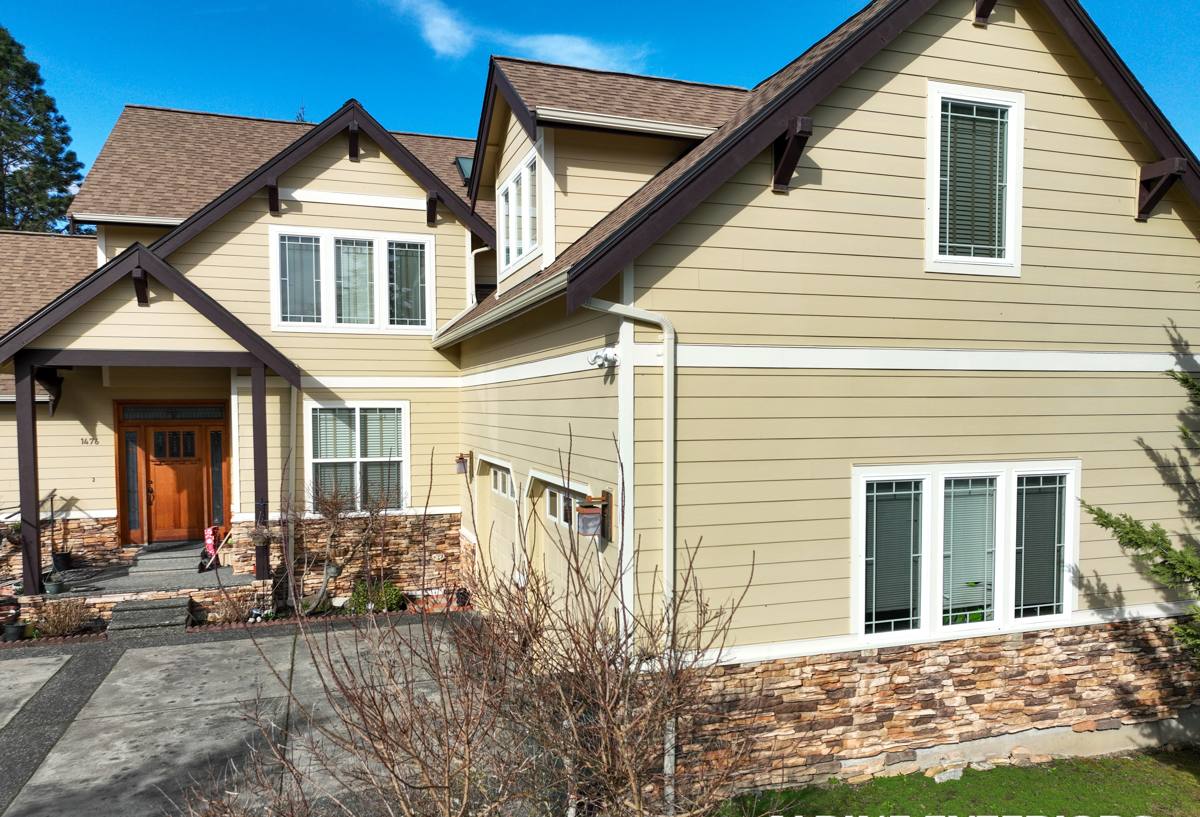
What the Regional Climate Actually Does to Windows Over Time
It helps to understand the specific failure patterns we see repeatedly on homes in this area, rather than treating "the weather" as a vague excuse. A few things happen consistently:
- Salt-laden and moisture-heavy air accelerates corrosion on lower-grade window hardware, hinges, and metal flashing, especially on the weather-facing side of a house.
- Driving rain tests the seal and flashing detail far more than a light, straight-down rain ever will — it pushes water sideways and upward under poorly lapped materials.
- Extended moss and algae season keeps surfaces damp longer, which means any wood trim, sill, or sash that isn't properly sealed or primed stays wet longer and starts to break down faster.
- Freeze-thaw cycling, even mild versions of it, works cracks and gaps in old caulking wider every winter, which lets more water in the following year.
None of this means windows in Sumas need to be exotic or overbuilt. It means the installation details — flashing sequence, sealant choice, drainage path, and fit — have to be done correctly every time, because the climate here doesn't forgive shortcuts the way a drier region might.
Signs a Sumas Home Needs New Windows
Homeowners usually notice one of these before they call, and it's worth checking for the others while we're on site:
- Visible fogging or a permanent haze between panes of double-pane glass (a failed seal, not a cleaning issue)
- Soft or discolored wood trim around the window frame, especially at the bottom sill
- Drafts you can feel by hand along the frame edge on a windy day
- Windows that are difficult to open, close, or lock, often from swollen or warped frames
- Visible moss or dark streaking on the exterior sill or the siding just below the window
- A noticeable jump in heating costs with no other explanation
Any one of these on its own might just mean a repair. Several of them together, especially on windows more than 15-20 years old, usually mean replacement is the more cost-effective path.
What a Correct Window Installation Actually Involves
A window install is often sold as a simple swap, but the quality of the work is almost entirely in details that aren't visible once the trim goes back on. Here's what we actually do, step by step, and why each step matters in this climate.
Removal and Opening Inspection
Once the old window comes out, we inspect the rough opening before anything new goes in. This is the point where hidden rot, prior flashing mistakes, or framing damage show up. In a wetter climate like ours, it's not unusual to find some degree of moisture damage around older windows, even ones that looked fine from the inside. We address that before installing anything new — sealing a fresh window into a compromised opening just hides the problem for a few more years.
Flashing and Weatherproofing
This is the single most important step for long-term performance in this region. Flashing tape and building paper have to be layered in the correct shingle-style order — each layer overlapping the one below it — so that any water that gets behind the siding drains down and out, never in. Rushed or reversed flashing is the single most common cause of hidden rot behind windows we've seen on older homes in this area.
Setting, Leveling, and Shimming
The window has to sit level, plumb, and square in the opening, shimmed correctly so the frame isn't under stress. A window that's slightly racked will operate poorly and can develop stress cracks in the glass seal over time, along with uneven gaps that let air and water through.
Insulation and Air Sealing
The gap between the window frame and the rough opening gets filled with a low-expansion foam or backer rod and sealant, not packed tight with fiberglass insulation alone. Overpacking with standard insulation can actually bow the frame inward and cause operating problems, while leaving gaps too loose defeats the point of a new window.
Exterior Trim, Caulking, and Finish
The final exterior seal is what stands between the house and the next five winters of rain. We use exterior-grade sealant rated for the temperature swings and UV exposure typical here, and we make sure trim is fastened and caulked in a way that sheds water rather than trapping it against the wood.
Choosing the Right Window Frame for a Sumas Home
Material choice matters more in a wet climate than in a dry one, because some materials handle sustained moisture exposure better than others. We'll talk through the honest trade-offs for your specific home rather than pushing one product line.
| Frame Material | Moisture Performance | Maintenance | Typical Trade-Off |
|---|---|---|---|
| Vinyl | Very good — won't rot, resists moisture well | Low | Limited color/finish options; can expand/contract with big temperature swings |
| Fiberglass | Excellent — very stable in wet, variable climates | Low | Higher upfront cost than vinyl |
| Wood (clad exterior) | Good, if the exterior cladding and flashing are done right | Moderate to high on any exposed wood | Interior warmth and appearance, but exterior wood needs long-term upkeep |
| Aluminum | Fair — durable but a poor insulator, can condense | Low | More prone to condensation and heat loss in our climate |
For most Sumas and Ferndale homes, vinyl or fiberglass frames with a proper flashing and drainage detail give the best long-term balance of cost and durability given how much rain and damp air this area sees over a typical year. Wood-clad windows can still be the right call on a home where matching existing trim and architecture matters, as long as the exterior is detailed and maintained properly.
Our Process, From Estimate to Cleanup
- On-site assessment: we look at every window being discussed, not just the ones that are obviously failing, and note the condition of the surrounding trim and siding.
- Honest recommendation: we'll tell you plainly if a window can be repaired instead of replaced, and which windows are the priority if budget means phasing the work.
- Written estimate: a clear breakdown of materials, labor, and timeline before anything is scheduled.
- Install day: old windows removed, openings inspected and repaired as needed, new windows flashed, set, insulated, and sealed following the sequence above.
- Walkthrough and cleanup: we test every window for smooth operation and a tight seal, and we clean up debris and packaging before we leave.
Most single-day residential jobs are completed within a day or two depending on the number of openings and whether any structural repair is needed at the rough opening.
What Affects the Cost
| Factor | Why It Matters |
|---|---|
| Number and size of openings | More or larger windows means more material and labor time |
| Frame material chosen | Vinyl, fiberglass, and clad-wood price out differently |
| Condition of the rough opening | Hidden rot or framing repair adds time and material before the new window goes in |
| Window style | Standard double-hung is typically simpler than large picture windows, bays, or custom shapes |
| Trim and siding work | Matching or repairing exterior trim around the new window can add scope |
We don't quote windows sight-unseen with a generic per-window number, because the condition behind the old window is often the biggest cost variable — and that's exactly the kind of thing a phone estimate can't catch.
A Checklist for Hiring a Window Installer Here
- Do they inspect the rough opening before quoting a final price, or just measure the glass?
- Can they describe their flashing sequence without you having to ask twice?
- Are they licensed and insured to do exterior work in Washington?
- Do they give you a written estimate with materials specified, not just a total?
- Will they tell you honestly if a window doesn't need full replacement?
- Have they worked on homes in this specific area before, and do they understand what the climate does to a bad install?
Why a Crew That Already Works This Area Matters
A window installer who mostly works in a dry climate can do a technically fine install and still hand you a problem five years later, because the flashing and sealing details that matter here simply aren't habits they've had to build. A crew that regularly works Ferndale, Sumas, and the surrounding Whatcom County communities has already seen what happens when those details are skipped — the rot behind a poorly flashed window, the moss creeping up under a trim board that was caulked wrong, the swollen sash from years of trapped moisture. That experience shows up in how carefully the small, invisible steps get handled, which is exactly where a window installation succeeds or fails over the long run.
If you're weighing repair versus replacement, comparing frame materials, or just want an honest read on the condition of your current windows, we're happy to take a look. Reach out for a free, no-pressure estimate using the form below.